Overview of Glass-Ceramics Processing
Glass-ceramics are advanced materials that integrate the characteristics of glass and ceramics. They exhibit the homogeneity and transparency of glass, combined with the high strength and thermal resistance of ceramics, and can be precisely shaped using traditional machining methods (e.g., turning, milling, drilling). Its microstructure consists of a glass phase and a tiny ceramic crystal phase, and its performance can be adjusted by composition design. It is widely used in electronic packaging, optical devices, aerospace and other fields, and shows unique advantages in the field of precision manufacturing and high-end technology.

Glass-Ceramics
Key Features of Glass-Ceramics
Machinable glass-ceramics combine the homogeneity of glass with ceramic-like high strength, hardness, and impact resistance. They also demonstrate excellent high-temperature stability, maintaining physical and chemical integrity without deformation or melting in extreme thermal environments, expanding their application scope.
Chemical stability, processable glass ceramic acid and alkali corrosion resistance, in the harsh chemical environment, can still maintain stable performance, not easy to chemical reaction with other substances, suitable for use in special environments.
In addition, the microstructure of processable glass-ceramics consists of glass phases and uniformly distributed tiny ceramic crystal phases. By adjusting the composition and process, it is possible to flexibly control the performance, such as dielectric constant, coefficient of thermal expansion, etc., which can be customized according to different application scenarios. It has shown excellent comprehensive performance in the fields of electronic packaging, optical devices, aerospace and so on. It has provided an ideal choice of materials in the field of high-end technology.
|
Applications of Glass-Ceramics
Thanks to their unique machinability and exceptional physico-chemical properties, glass-ceramics play a critical role in various high-tech sectors:
Electronic Information: Serve as high-performance substrates for electronic packaging, offering excellent dielectric properties, thermal conductivity, and mechanical strength. They meet strict requirements for heat dissipation and signal stability in chip packaging, particularly in advanced devices for 5G communications and artificial intelligence.
Optics: Used to fabricate precision optical lenses, laser cavities, and other components due to high transparency, thermal resistance, and impact resistance. They ensure optical system precision in aerospace remote sensing and astronomical instruments, even in extreme environments.
Medical field:processable glass ceramics are used by virtue of biocompatibility and precision machining capabilities for the production of dental restorations, artificial bone and other implants, through precise processing to match the shape of human tissue, both mechanical support and physiological compatibility, to promote the development of precision medicine.
In addition, in the manufacture of precision instruments, energy equipment and other fields, it can also be customized due to the performance and processing convenience, becoming the core material of structural and functional parts under special working conditions, and continues to expand the boundaries of the application of advanced materials.
Other Fields: Applied in precision instruments and energy equipment, where customizable properties and machining flexibility make them core materials for structural and functional components in specialized environments, continuously expanding the frontiers of advanced materials.
Company Profile
Luoyang Tongrun Nano Technology Co. Ltd. (TRUNNANO) is a trusted global chemical material supplier & manufacturer with over 12-year-experience in providing super high-quality chemicals and nanomaterials, including boride powder, nitride powder, graphite powder, ceramic products, 3D printing powder, etc.
The company has a professional technical department and Quality Supervision Department, a well-equipped laboratory, and equipped with advanced testing equipment and after-sales customer service center.
If you are looking for high-quality Ceramic Products please feel free to contact us or click on the needed products to send an inquiry.
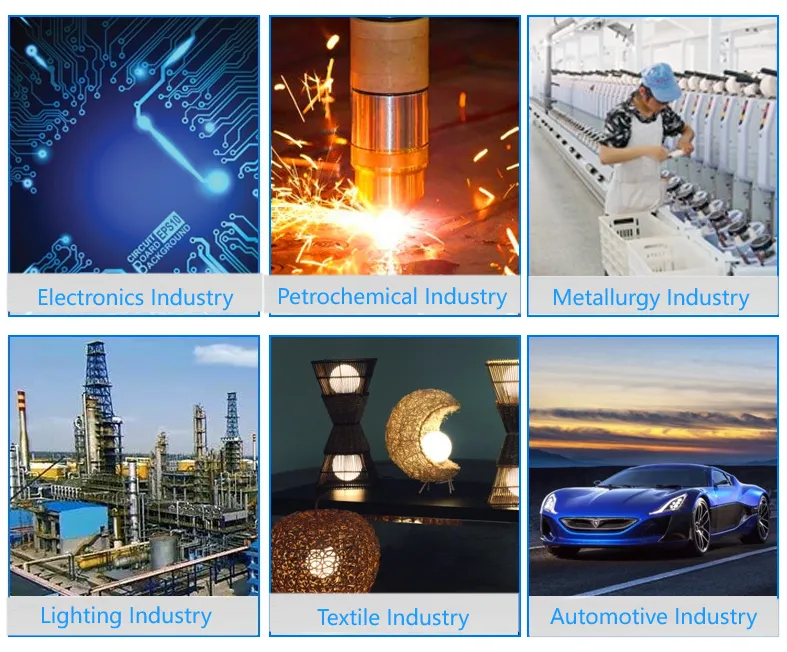
Applications of Ceramic Products
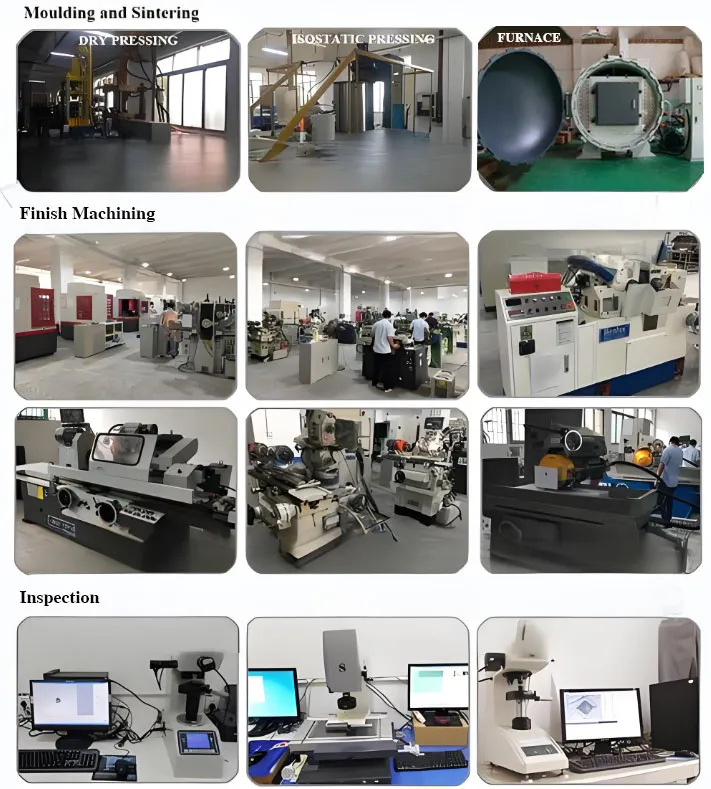
Process of Ceramic Products
Payment Term
T/T, Western Union, Paypal, Credit Card etc.
Shipment Term
By air, by sea, by express, as customers request.
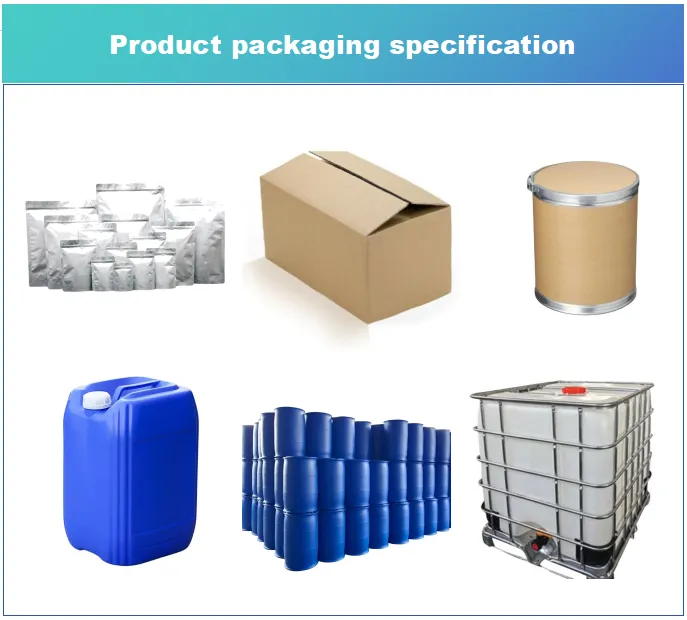
5 Frequently Asked Questions (FAQs)
Q1: How to address chipping during glass-ceramics machining?
Chipping can be mitigated by over 60% through:
Using diamond-coated tools for improved cutting precision.
Adopting a layered cutting strategy (e.g., 0.05 mm depth per layer).
Enhancing equipment rigidity (e.g., dynamic balancing systems for ceramic milling machines).
Q2: Are machinable glass-ceramics environmentally friendly?
Yes. Some formulations incorporate industrial waste such as fly ash and steel slag, reducing resource consumption and pollution. The materials themselves are non-degradable, dimensionally stable, and chemically inert, aligning with sustainability goals.
Q3: What advantages do glass-ceramics offer over traditional ceramics?
Unlike traditional ceramics (requiring sintering followed by diamond-tool machining), glass-ceramics can be directly cut, reducing processing costs by 30–50%. They also feature superior dimensional stability (thermal expansion coefficients as low as 10⁻⁶/°C), ideal for precision manufacturing.
Q4: How biocompatible are glass-ceramics?
Glass-ceramics exhibit excellent biocompatibility, suitable for medical implants like artificial bones and dental prosthetics. Compositions can be engineered to match the mechanical and physiological properties of human tissues.
Q5: What are the future development trends for glass-ceramics?
Driven by technologies like 5G and AI, demand will grow in high-frequency electronics and precision optics. Emerging research focuses on laser machining (e.g., micro-porous fabrication) and eco-friendly formulations (industrial waste recycling), further enhancing their versatility and sustainability.