Product Overview
Nano Lithium Manganese Oxide (LMO) features a spinel structure (Fd-3m space group) with a three-dimensional framework that enables rapid lithium-ion diffusion. Through nanotechnologies, this cathode material delivers significantly improved rate capability and high-temperature cycling performance compared to conventional micron-sized counterparts.
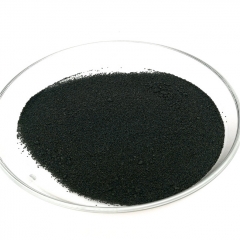
Nano Lithium Manganese Oxide (LMO)
Key Advantages of Nanostructuring
Smaller particle size with larger specific surface area
Dramatically shortened lithium-ion diffusion paths
Enhanced rate capability and high-temperature cycle life
Effective suppression of the Jahn–Teller effect (Mn²⁺ disproportionation inhibition)
Substantially reduced capacity fade at elevated temperatures
Technical Specifications
|
Component |
Specification |
Typical Value |
|---|---|---|
|
Mn |
55.6–59.0 wt% |
57.5 ± 0.5 wt% |
|
Li |
3.8 ± 0.5 wt% |
3.96 wt% |
|
Impurities (Fe, Ni, etc.) |
In compliance with industry standards |
— |
Applications
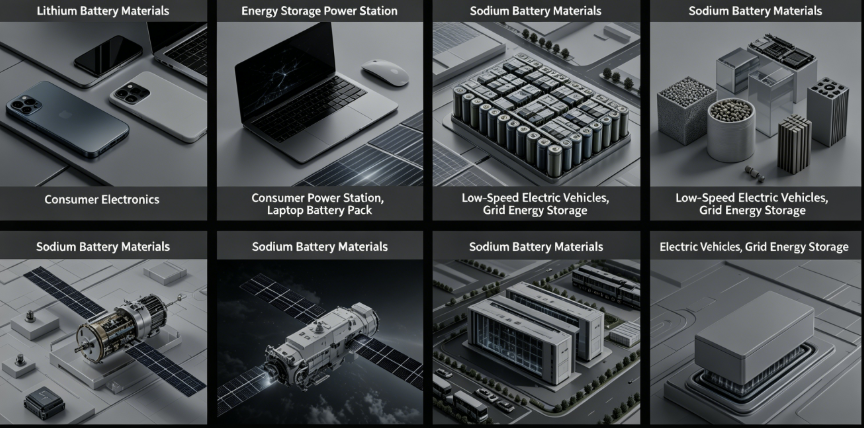
Nano Lithium Manganese Oxide is widely used in mid-to-high-end lithium-ion battery applications:
Power Battery
Electric vehicles (EVs), new energy vehicles, e-bikes, electric sightseeing cars, power tools, new energy vessels
Energy Storage Systems
Solar street lamps, landscape lighting storage batteries; mobile communication base station batteries, wind power storage systems; home energy storage systems, UPS batteries, peak-load shifting system batteries
3C Consumer Electronics
Smartphone batteries, laptop batteries, E-BOOK batteries, electric toy batteries
Cutting-Edge Research
Electrochemical studies of nano-LMO and LMO/graphene composites
Development and testing of modified nano-LMO
Packaging: Customized upon request.
About Us
TRUNNANO is a leading supplier of high-performance battery materials for lithium-ion and sodium-ion batteries. Our portfolio includes nano cathodes, silicon-carbon anodes, hard carbon, and specialty additives. With strict quality control and consistent purity, we deliver reliable solutions for 3C electronics, power tools, and energy storage systems. Committed to innovation, TRUNNANO drives the future of energy storage with cutting-edge materials and dedicated customer support.
Frequently Asked Questions (FAQ)
Q1: What makes nano-LMO different from conventional micron-LMO?
A: Nano-LMO has a smaller particle size and larger surface area, which shortens Li⁺ diffusion paths. This results in better rate performance and enhanced high-temperature stability, while also suppressing the Jahn–Teller effect to reduce capacity fade.
Q2: What is the typical particle size of this product?
A: Our nano-LMO is engineered with particle size below 100 nm for optimal electrochemical performance. Please contact us for detailed specification sheets.
Q3: Can this material be used in high-voltage batteries?
A: Yes, it is suitable for mid-to-high-end applications including power batteries and energy storage systems, with stable performance under normal operating voltage ranges.
Q4: How should this material be stored?
A: It should be kept in a cool, dry, and airtight environment, protected from moisture and acidic gases to maintain surface integrity.
Q5: Is this product RoHS compliant?
A: Yes, our nano-LMO is manufactured to meet RoHS and relevant industry standards. Certification documents are available upon request.
Q6: Do you offer sample quantities for testing?
A: Yes, sample orders are welcome. Please contact our sales team for lead time and pricing.
Q7: What is the recommended binder and conductive additive system for this material?
A: We recommend standard PVDF binders and carbon black or carbon nanotube conductive additives. Our technical team can provide formulation guidance based on your specific application.