Overview of Aluminum Oxide Heaters
Alumina heaters usually have aluminum oxide as the material or component of the heating device, with excellent electrical insulation and high-temperature performance, suitable for a variety of heating scenarios. The alumina ceramic heater is a heating device with alumina ceramic as the base material. With the characteristics of high thermal conductivity, high hardness and corrosion resistance of ceramics, it converts electric energy into heat energy through heating elements such as resistance wire, which is widely used in electronics, the chemical industry, medical treatment and other fields, and it can satisfy the demand of high-precision and high-stability heating.
aluminum oxide heater
Characteristics of Aluminum Oxide Heaters
Extreme environmental adaptability
Alumina heaters and alumina ceramic heaters have remarkably high-temperature resistance, can work stably at extreme temperatures, and are suitable for high-temperature sintering, melting and other harsh scenarios. Their operating temperature range is typically 200°C to 1600°C (depending on the design), and they perform well in high-temperature processes such as chip manufacturing and glass melting.
Electrical insulation and safety
Aluminum oxide heaters have excellent electrical insulation properties and high dielectric strength (typically > 10¹⁰ Ω・cm at room temperature), which effectively prevents the risk of leakage and ensures the safety of personnel and systems during equipment operation, especially suitable for medical, electronics and other fields that require high safety.
Highly efficient thermal conductivity and uniform temperature control
The thermal conductivity of the alumina ceramic heater reaches 20-40 W/m・K, which can transfer heat quickly and evenly to meet the needs of rapid warming and precise temperature control (e.g., precise heating of chemical reactor). The heating elements (e.g., Nichrome wire, molybdenum disilicide) can be customized according to the requirements, and the temperature control accuracy of ±1°C can be achieved.
Mechanical strength and chemical resistance
Alumina ceramic substrates have a Mohs hardness of 9 and high compressive strength, but they are brittle and need to be protected from mechanical shocks. At the same time, it has strong resistance to most acids and alkalis (except hydrofluoric acid) and can work stably for a long time in chemically corrosive environments, and its service life can be improved by 3-5 years compared with metal heaters.
Aluminum oxide heater specifications
| Parameter |
Description |
Typical Values |
| Material Composition |
Main material used in the heater |
High-purity alumina (Al₂O₃) with possible additives for enhanced properties |
| Form Factor |
Physical shape and dimensions of the heater |
Rods, tubes, plates, custom shapes; dimensions vary based on application |
| |
|
|
| Heating Element |
Type of heating element used |
Nichrome wire, MoSi₂ (molybdenum disilicide), or other high-temperature conductors |
| Power Rating |
Electrical power consumption |
100W to 5000W (varies widely based on size and application) |
| Voltage |
Voltage range for operation |
12V to 240V (common ranges, but can be customized) |
| Thermal Conductivity |
Ability to transfer heat |
20-40 W/m·K (for alumina ceramic) |
| Electrical Insulation |
Insulation properties to prevent electrical leakage |
High dielectric strength, typically >10¹⁰ Ω·cm at room temperature |
| Mechanical Strength |
Ability to withstand mechanical stress |
High compressive strength, but brittle; hardness ~9 on Mohs scale |
| Corrosion Resistance |
Resistance to chemical attack |
Excellent resistance to most acids and alkalis, except hydrofluoric acid |
| Response Time |
Time taken to reach operating temperature |
Fast response times, typically within seconds to minutes |
| Surface Finish |
Surface treatment to enhance performance |
Polished, glazed, or coated for specific applications |
| Customizability |
Ability to tailor the heater for specific applications |
High; can be designed for specific shapes, sizes, and power requirements |
| Applications |
Common industries and uses |
Electronics, ceramics, glass processing, medical devices, chemical processing |
|
Application of aluminum oxide heater
Electronics and semiconductor industry
Chip manufacturing: for high-temperature sintering, annealing process, such as semiconductor packaging brazing heating, to provide a stable and uniform temperature field (± 2 ° C) to ensure chip yield.
Precision device heating: heat treatment of sensors, MEMS components, and the use of ceramic insulation to avoid electromagnetic interference.
Chemical and Energy Industry
Catalytic reaction heating: high-temperature heat source for chemical reactors, resistant to corrosive media (e.g., sulfuric acid, sodium hydroxide), supporting continuous production.
New energy battery: lithium battery electrode slurry drying, improved coating adhesion and battery performance by uniform heating.
Medical and Life Science.
Sterilization equipment: Heating elements for autoclave sterilizers, resistant to high-temperature steam corrosion, guaranteeing sterility standards for medical instruments.
Biological laboratories: Precision heating modules for thermostatic incubators and PCR instruments, with a temperature control accuracy of ±0.5°C. 4.
Industrial Manufacturing and Aerospace
Glass and Ceramic Processing: High-temperature resistant cores for glass melting furnaces to withstand temperatures above 1500°C; zoned heating components for ceramic sintering kilns to improve product densities.
Aerospace components: Heat tracing for aircraft engine sensors to maintain equipment operation over a wide temperature range of -50°C to 1200°C.
Company Profile
Luoyang Tongrun Nano Technology Co. Ltd. (TRUNNANO) is a trusted global chemical material supplier & manufacturer with over 12-year-experience in providing super high-quality chemicals and nanomaterials, including boride powder, nitride powder, graphite powder, ceramic products, 3D printing powder, etc.
The company has a professional technical department and Quality Supervision Department, a well-equipped laboratory, and equipped with advanced testing equipment and after-sales customer service center.
If you are looking for high-quality Ceramic Products please feel free to contact us or click on the needed products to send an inquiry.
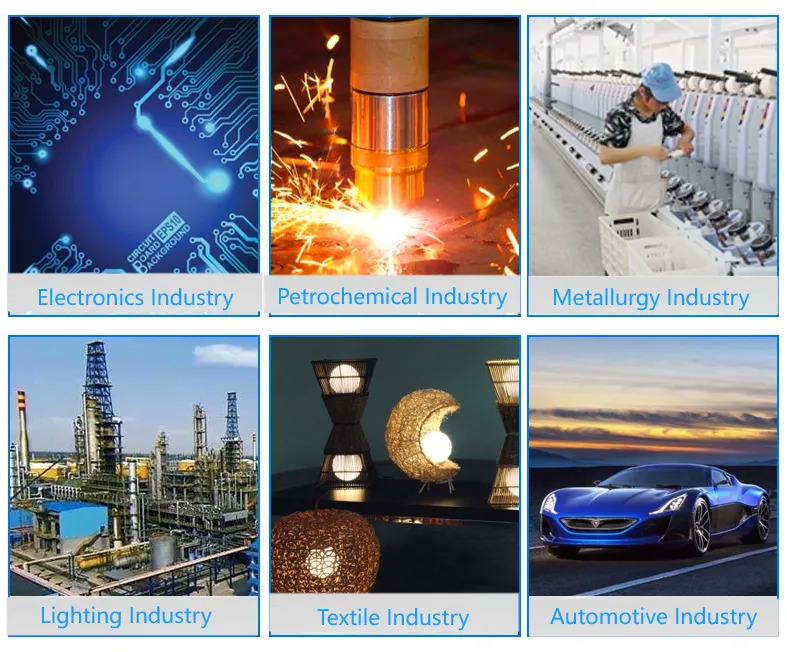
Applications of Ceramic Products
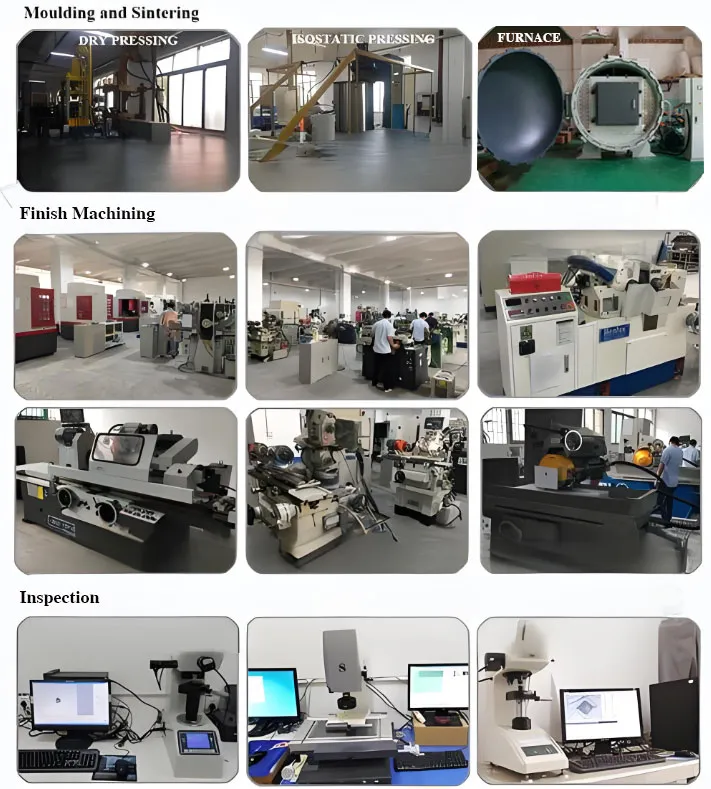
Process of Ceramic Products
Payment Term
T/T, Western Union, Paypal, Credit Card etc.
Shipment Term
By air, by sea, by express, as customers request.
Five Frequently Asked Questions about Aluminum Oxide Heaters
Q1: Can aluminum oxide heaters be used in corrosive environments?
Alumina heaters can withstand most acids and bases except hydrofluoric acid. For example, its annual corrosion rate is < 0.01 mm in pH 1-13 solution, which is suitable for chemical reactions, wastewater treatment and other scenarios.
Q2: What are the safety precautions for using alumina heaters?
Installation should comply with UL/CE standards and ensure reliable grounding;
Prohibit collision during high-temperature operation to avoid ceramic cracking;
Regularly check the terminals to prevent poor contact due to oxidation;
Cleaning needs to be disconnected and cooled, use a dry soft cloth to wipe, and prohibit the use of solvents.
Q3: How to extend the service life of the heater?
Avoid running over the rated temperature (it is recommended to leave a 10% temperature margin);
Remove carbon deposits on the surface regularly (can be cleaned gently with 5% citric acid solution);
When unused for a long period of time, it can be stored in a dry environment to avoid insulation degradation caused by humidity.
Q4:What are the advantages of aluminum oxide heaters compared with other heaters?
Aluminum oxide heaters have many advantages. Compared with traditional metal heaters, it has higher thermal efficiency and better temperature uniformity and is able to provide higher heat output at lower power consumption; compared with some other types of ceramic heaters, alumina heaters have better mechanical strength and durability and are able to work stably in harsher environments.
Q5:How much do aluminum oxide heaters cost?
The price of aluminum oxide heaters varies depending on brand, model, specifications, performance and other factors. Generally speaking, high-quality aluminum oxide heaters are relatively more expensive, but their performance and service life are also more guaranteed. When choosing an aluminum oxide heater, you should consider its performance, quality, price and other factors according to your actual budget to choose the most suitable heater product.