Overview of Alumina Analysis Lifting Device and Components
Alumina analytical lifting devices and components are key equipment for testing the performance and composition of alumina, which can accurately analyze the purity and impurity content of alumina and are indispensable in the fields of alumina production, quality control and scientific research. Since the melting point of alumina is as high as 2054°C, this kind of equipment needs to have the characteristics of high-temperature resistance, and at the same time, it needs to be adapted to all kinds of samples, so as to provide reliable data support for the industrial production, to guarantee the quality of the products and to promote the development of the related industries.
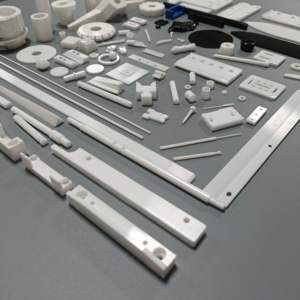
alumina analysis lifting device and components
Characteristics of Alumina Analysis Lifting Device and Components
High-precision analysis capability
The equipment adopts high-precision sensors and advanced analytical technologies (such as X-ray fluorescence spectroscopy inductively coupled plasma mass spectrometry), which can realize the accurate measurement of alumina purity (detection accuracy of 0.01%) and impurities (such as Fe, Si, Na, etc., with a detection limit of as low as ppm), provide a reliable basis for quality control, and ensure that the detection results have an error rate of <1%.
Extreme High-Temperature Adaptability
The main structure is made of high-temperature resistant ceramics (e.g., mullite, zirconia) and high-temperature alloys, which can withstand melting environments up to 2054°C. It operates stably in high-temperature scenarios such as alumina smelting and refractory testing, with a thermal deformation rate of < 0.5% (2000°C 2-hour constant temperature test).
Long-term stability and repeatability
Through modular design and precision machining, the equipment maintains stable performance in long-term use, with repeatable measurement error < 2%. For example, when testing the same sample 100 times in a row, the fluctuation range of the purity detection value is ≤0.05%, which meets the continuous demand of industrial batch testing.
Automation and Intelligence
Equipped with a Programmable Logic Controller (PLC) and Human-Machine Interface (HMI), it can automatically complete sample loading, temperature increase, data acquisition and report generation, which reduces manual operation errors and shortens the time for a single analysis to 50% of the traditional method (e.g., XRF analysis takes only 5 minutes). Supports USB and Ethernet data export and is LIMS (Laboratory Information Management System) compatible.
Wide range of sample compatibility
The system can accommodate a wide range of samples in powder (e.g., Bayer alumina powder), bulk (e.g., ceramic billets), and granular forms and can be used in a variety of scenarios ranging from laboratory microanalysis to industrial on-line testing by replacing crucibles of different sizes (volume 5-200 mL) and fixtures.
Alumina Analyzer Lifting Device and Components Specifications and Parameters Table
|
Applications for Alumina Analytical Lift and Lower Units and Components
Smelting monitoring: In bauxite roasting and Bayer dissolution process, real-time detection of Na₂O, Fe₂O₃ content of alumina powder, and adjusting the process parameters (e.g., causticity ratio, temperature) through the feedback control system, so as to control the fluctuation of the purity of the product within ±0.3%.
Quality grading: rapid sorting of metallurgical grade (Al₂O₃≥98.5%) and ceramic grade (Al₂O₃≥99.5%) alumina, with an inspection efficiency of up to 100 pieces/hour, which is 8 times higher than that of the traditional chemical method.
Characterization of nano alumina: Measure the particle size distribution of nanopowders (range 10-500 nm, accuracy ±5%) by laser particle size analysis module, assisting the development of highly dispersible ceramic pastes.
Catalytic material research: simulate the catalytic performance of alumina carriers in a high-temperature reactor and simultaneously monitor their specific surface area (BET method, accuracy ±2 m²/g) and pore structure changes.
Import and export inspection: according to ISO 6320, GB/T 6609 and other standards, we carry out a full range of tests on imported alumina raw materials and issue CMA/CNAS certification reports to help enterprises meet international trade requirements.
Downstream application guarantee: Provide incoming raw material inspection for aluminum processing enterprises (e.g., aluminum electrolysis and aluminum profile plants) to prevent the impact of impurities (e.g., P, S) on the life of electrolytic tanks or the mechanical properties of profiles.
Company Profile
Luoyang Tongrun Nano Technology Co. Ltd. (TRUNNANO) is a trusted global chemical material supplier & manufacturer with over 12-year-experience in providing super high-quality chemicals and nanomaterials, including boride powder, nitride powder, graphite powder, ceramic products, 3D printing powder, etc.
The company has a professional technical department and Quality Supervision Department, a well-equipped laboratory, and equipped with advanced testing equipment and after-sales customer service center.
If you are looking for high-quality Ceramic Products please feel free to contact us or click on the needed products to send an inquiry.

Applications of Ceramic Products
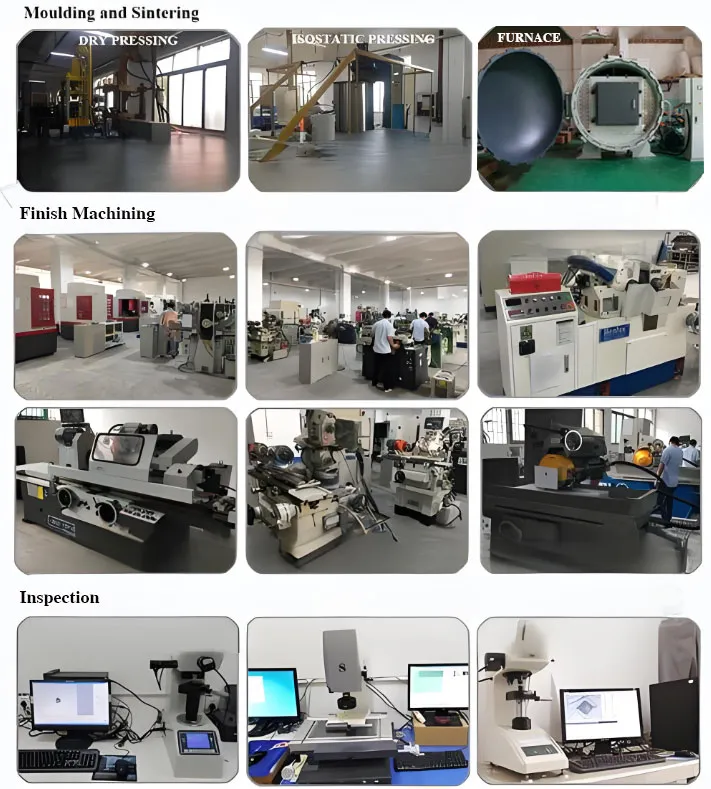
Process of Ceramic Products
Payment Term
T/T, Western Union, Paypal, Credit Card etc.
Shipment Term
By air, by sea, by express, as customers request.
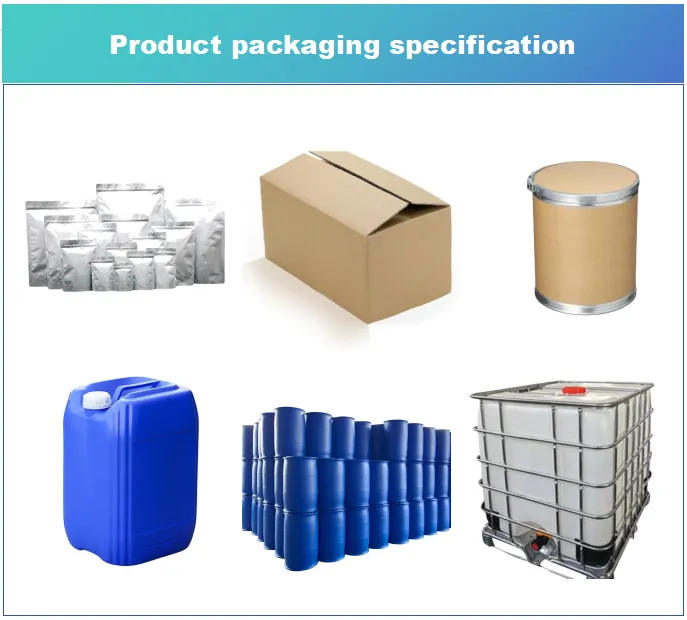
Five Frequently Asked Questions about Alumina Analysis Lifting Devices and Components
Q1: How to verify the analytical accuracy of the equipment?
Calibration is performed with a standard (e.g., NIST SRM 1875a alumina standard) to compare the measured value of the equipment with the certified value of the standard within ±0.03%. It is recommended that calibration be performed weekly and full metrological certification by a third-party organization be performed annually.
Q2: What are the advantages and disadvantages of different analytical methods for alumina?
Common methods for alumina analysis include chemical analysis, instrumental analysis, etc. Chemical analysis methods, such as EDTA titration, are relatively simple to operate and less costly, but the analysis speed is slower, and the technical requirements for operators are higher. Instrumental analysis methods, such as X-ray fluorescence spectroscopy (XRF), have the advantages of fast analysis speed, high accuracy, and simultaneous analysis of multiple elements, but the equipment cost is high and requires professional operators and maintenance personnel. In practice, the appropriate analytical method can be selected according to the specific needs and conditions.
Q3: What is the impact of impurities on alumina analysis and components?
Impurities can affect the analytical results and performance of alumina. The presence of impurity elements such as iron and silicon can affect the purity and quality of alumina, which may interfere with the analysis signal during the analysis process, resulting in inaccurate analysis results. In addition, impurities may also affect the physical and chemical properties of alumina, such as melting point, hardness, corrosion resistance, etc., which may affect its performance in practical applications. Therefore, in the production and application of alumina, the content of impurities needs to be strictly controlled, detected and monitored by effective analytical methods.
Q4: What is the melting point of alumina?
Alumina has a high melting point of about 2054°C. This property gives alumina an advantage in many high-temperature applications, such as refractories, ceramic manufacturing, etc. In the design and use of analytical lifting and components, it is also necessary to consider the requirements of their ability to adapt to high-temperature environments, ensure that the equipment can operate normally under high-temperature conditions, and accurately measure the relevant properties of alumina.
Q5: How to maintain the alumina analysis and components?
Regular cleaning and inspection of equipment are key to maintenance. Cleaning can remove impurities such as dust and oil stains on the surface, preventing them from affecting the analysis results. The inspection can find potential problems in the equipment in time, such as component wear, aging lines, etc., and repair or replace them in time to ensure the normal operation and service life of the equipment.