Overview of Boron Nitride Ceramic Plate
Boron nitride (BN) plates are strong types of boron nitride that can be produced in various crystal frameworks, many frequently hexagonal boron nitride (h-BN), which is frequently described as "white graphene" due to its layered framework similar to graphite. These plates offer a variety of extraordinary buildings that make them important in many applications across different sectors.

Boron Nitride Ceramic Plate
Functions of Boron Nitride Ceramic Plate
1. High Thermal Conductivity:
The high thermal conductivity of BN boards, especially along the plane of the h-BN layer, makes them optimal for warm dissipation and thermal administration applications.
2. Outstanding Electric Insulation:
In addition to high thermal conductivity, BN boards are likewise solid electric insulators, which is essential for numerous digital applications.
3. Chemical Stability:
BN plates have superb chemical resistance, also at high temperatures, causing sturdiness in destructive environments.
4. Mechanical Strength:
They have good mechanical toughness and solidity, specifically cubic boron nitride (c-BN), which is 2nd just to ruby.
5. Optical transparency:
H-BN plates are transparent to UV, noticeable and infrared light, making them suitable for optical applications.
6. Reduced coefficient of thermal expansion (CTE):
BN has a low coefficient of thermal growth (CTE), which aids protect against thermal shock and cracking under temperature changes.
7. Lubricity:
The split framework of h-BN supplies exceptional lubricity, especially in vacuum or inert settings where standard lubricating substances can not be utilized.
8. Wide bandgap:
BN has a vast bandgap, making it appropriate for high-power and high-frequency electronic devices.
Specifications of Boron Nitride Ceramic Plate
|
Property |
Specification/Value |
Notes |
|
Thermal Conductivity |
Up to ~300 W/m·K (in-plane for h-BN) |
Highly dependent on crystal orientation and purity. |
|
Electrical Resistivity |
> 10^12 Ω·cm |
Excellent electrical insulation property. |
|
Dielectric Constant |
~4-6 (for h-BN) |
Low dielectric constant reduces parasitic capacitance. |
|
Coefficient of Thermal Expansion (CTE) |
~2.5 × 10^-6/K (for h-BN) |
Similar CTE to silicon, beneficial for semiconductor applications. |
|
Hardness |
Vickers hardness up to ~45 GPa (for c-BN) |
High hardness, especially cubic BN, second only to diamond. |
|
Melting Point |
~3000°C |
High melting point contributes to thermal stability. |
|
Chemical Stability |
Stable in many acids and bases at high temperatures |
Exceptional resistance to chemical attack. |
|
Optical Transparency |
Transparent from UV to IR |
Particularly useful for optical applications. |
|
Friction Coefficient |
As low as ~0.16 (for h-BN) |
Makes it suitable for lubrication in vacuum or inert environments. |
|
Band Gap |
~5.9 eV (for h-BN) |
Wide bandgap material suitable for high-power and high-frequency devices. |
|
Density |
~2.27 g/cm³ (for h-BN) |
Lower density compared to many ceramics. |
|
Flexural Strength |
Up to ~400 MPa |
Good mechanical strength suitable for various applications. |
|
Porosity |
Typically < 1% |
Low porosity ensures high density and strength. |
|
Maximum Operating Temperature |
Up to 1000°C in air, higher in inert atmospheres |
Can withstand extreme temperatures with minimal degradation. |
|
Thermal Shock Resistance |
Good |
Resistant to cracking under rapid temperature changes. |
|
Lubricity |
Excellent dry lubricant |
Layered structure allows for easy sliding of layers. |
Manufacturing Methods
|
Method |
Description |
Applications |
|
Hot Pressing |
Powder is pressed and heated simultaneously. |
Produces dense, uniform plates for high-strength applications. |
|
Sintering |
Heating BN powder without melting, allowing particles to bond. |
Suitable for complex shapes and large components. |
|
Chemical Vapor Deposition (CVD) |
BN vapor deposited onto a substrate to form a plate. |
Ideal for thin films and coatings requiring precise control. |
|
Pressureless Sintering |
Creates BN parts without external pressure. |
Useful for creating intricate or non-uniform shapes. |
Environmental Considerations
|
Aspect |
Description |
Notes |
|
Material Source |
Boron sourced from borate minerals; nitrogen abundant. |
Extraction impacts generally less severe than for metals. |
|
Production Energy |
Processes can be energy-intensive but are continuously optimized. |
Efforts to minimize environmental impact through efficiency improvements. |
|
Recycling Potential |
Not widely established but materials are not hazardous. |
Ongoing research into recycling technologies. |
|
Disposal |
Non-toxic and stable; does not decompose into harmful substances. |
Safe disposal options available. |
Applications of Boron Nitride Ceramic Plate
1. Thermal Administration
Warmth Sinks: BN plates make use of reliable warm sinks in electronic devices to dissipate heat from components like CPUs, GPUs, and power transistors.
Thermal User Interface Products (TIMs): Used between heat-generating digital components and warm dissipation tools to enhance thermal performance.
2. Electronic devices and Semiconductors
Substrates: Made use of as substrates for semiconductor tools, especially in high-power and high-frequency applications.
Protecting Layers: Supply electrical insulation while allowing reliable warmth transmission in semiconductor product packaging.
Gateway Dielectrics: Used in MOSFETs and other transistors to decrease parasitical capacitance and boost changing speeds.
3. Optoelectronics
LED Substrates: BN plates can be used as a substratum or barrier layer for GaN-based LEDs to boost effectiveness and decrease flaw thickness.
Photodetectors and solar cells: Good optical transparency and security under extreme conditions.
4. Catalysis
Stimulant Supports: Offer a stable platform for catalyst bits in different chain reactions, specifically in high-temperature processes.
Electrocatalysis: Made use of electrochemical cells for energy conversion and storage systems.
5. Surface Coatings
Wear Resistance: Applied to surface areas to enhance wear resistance and durability.
Friction Reduction: Made use of solid lubricants in vacuum cleaners or inert settings where traditional lubricants can not be utilized.
Deterioration Protection: Provides protection against deterioration in aggressive environments.
6. Cutting Tools and Machining
Device Coatings: Applied to reduce tools and machining elements to enhance durability and lower wear.
Molds and Dies: Made use of coatings on molds and passes away to improve launch homes and expand tool life.
7. Automotive and Aerospace
Power Electronics: Vital for electrical and hybrid lorries where efficient thermal monitoring is essential for power components and inverters.
Radiation Shielding: Gives effective securing against radiation in spacecraft components.
High-Temperature Components: Appropriate for parts exposed to extreme temperature levels, such as engine parts and exhaust systems.
8. Energy Storage
Battery Electrode: BN coated electrode can develop a stable user interface between electrolyte and electrode material, therefore improving battery performance and safety.
Gas Cell: Utilized as gas diffusion layer and stimulant carrier.
9. Biomedical Applications
Medical Implants: Utilized for biocompatible coatings on implants or devices as a result of their non-reactive nature.
Medicine Distribution Solutions: Nanoparticles of BN can be functionalized for targeted drug delivery.
10. Production and Machining
Heat Molds: For producing processes involving high temperatures, such as metal spreading and molding.
Precision Parts: For accuracy engineering applications calling for high thermal stability and reduced CTE.
11. R & D
Advanced Materials Advancement: R & D of new materials with application-specific buildings.
Nanotechnology: Checking out the distinct quantum residential or commercial properties of nanoelectronic and optoelectronic tools. 12.
12. Consumer Electronic devices
Warmth Sinks and Thermal User Interfaces: Critical to warmth monitoring in customer electronics devices such as smart devices, laptop computers, and video game consoles.
13. Chemical Handling
Reactor Linings: Used in activators where high temperatures and destructive chemicals exist.
Heat Exchangers: Made use of commercial processes entailing warm transfer at heats.
14. Room Expedition
Thermal Control Solutions: BN plates aid in taking care of thermal conditions in spacecraft, making certain trustworthy procedures in space.
Extreme Atmosphere Elements: Made use of tools developed to run under severe temperature levels and stress come across preceding missions.

Company Profile
Company Profile
Luoyang Tongrun Nano Technology Co. Ltd. (TRUNNANO) is a trusted global chemical material supplier & manufacturer with over 12-year-experience in providing super high-quality chemicals and nanomaterials, including boride powder, nitride powder, graphite powder, ceramic products, 3D printing powder, etc.
The company has a professional technical department and Quality Supervision Department, a well-equipped laboratory, and equipped with advanced testing equipment and after-sales customer service center.
If you are looking for high-quality Boron Nitride Ceramic Plate, please feel free to contact us or click on the needed products to send an inquiry.
Payment Term
T/T, Western Union, Paypal, Credit Card etc.
Shipment Term
By air, by sea, by express, as customers request.
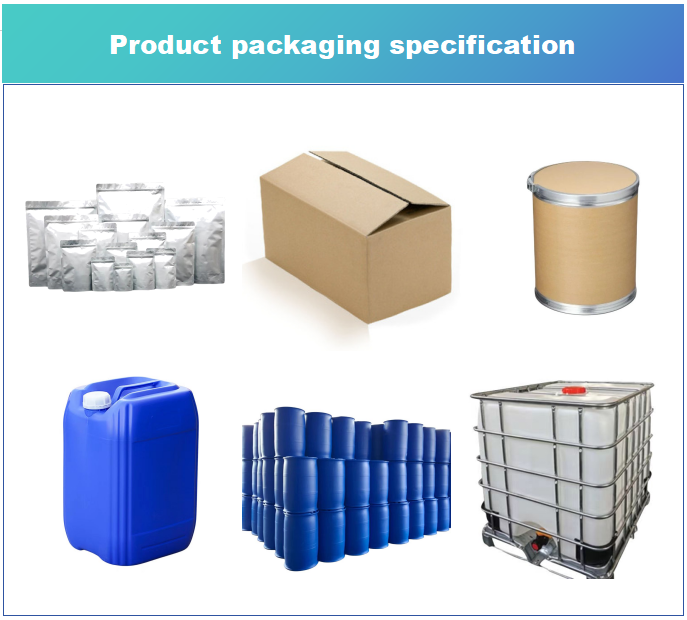
Packaging
FAQs of Boron Nitride Ceramic Plate
What are the main applications of boron nitride ceramic plates?
Boron nitride ceramic plate is widely used in electronic component heat dissipation substrates, high-temperature furnace linings, semiconductor manufacturing equipment components, and metal melting molds due to its excellent thermal conductivity, electrical insulation, and chemical stability. In addition, it is also used in the machining industry, which requires high precision and stability.
Can boron nitride ceramic plates withstand extremely high temperatures?
Yes, boron nitride ceramic plates have excellent resistance to high temperatures and can maintain their structural integrity in environments exceeding 2000°C without significant physical or chemical changes. This property makes them ideal for use as insulation or support members in high-temperature environments.
Are boron nitride ceramic plates easy to machine?
Boron nitride ceramic plates are less hard than other types of ceramic materials, but they are still one of the hardest materials to machine. Nonetheless, effective cutting, drilling and grinding of boron nitride ceramic plates can be achieved with the use of diamond tools and appropriate machining techniques. It is important to note that the machining process requires special care to avoid cracks or other damage.
What are the advantages of boron nitride ceramic plates over conventional ceramics?
In addition to the high thermal conductivity and excellent electrical insulation mentioned above, boron nitride ceramic plates also exhibit a low coefficient of friction, good thermal shock resistance and biocompatibility. These advantages make it more competitive than traditional ceramic materials such as alumina and silicon carbide in certain applications.
How to choose the right boron nitride ceramic plate for a specific application?
Choosing the right boron nitride ceramic plate depends largely on the specific application requirements. For example, for applications requiring good heat transfer, products with higher purity and finer grain sizes should be selected, while for situations requiring greater mechanical stress, the strength and toughness of the material should be considered. At the same time, it is also necessary to consider the cost-effectiveness, processing difficulty and whether to comply with relevant industry standards and other factors. It is recommended to consult professional material engineers or suppliers to ensure that the selected products can meet the requirements of the actual conditions of use.