Product Overview
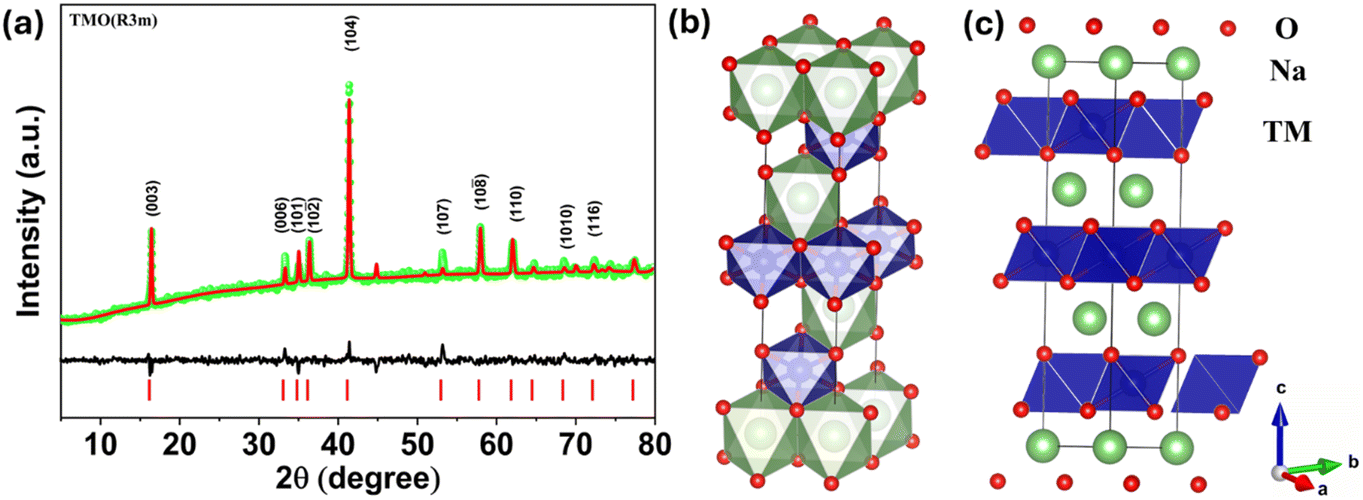
The P3-type high-entropy system (NaNi₀.₂Fe₀.₂Mn₀.₂Co₀.₂Cr₀.₂O₂) represents a breakthrough in sodium-ion battery technology. By leveraging the "high-entropy stabilization effect," this material optimizes the electrochemical performance, offering a superior balance between cycling life and rate capability.
Key Specifications & Performance
|
Feature |
Specification |
|
Material Type |
P3-type High-Entropy Oxide |
|
Chemical Formula |
NaNi₀.₂Fe₀.₂Mn₀.₂Co₀.₂Cr₀.₂O₂ |
|
Voltage Range |
2.0 – 4.2 V |
|
Capacity |
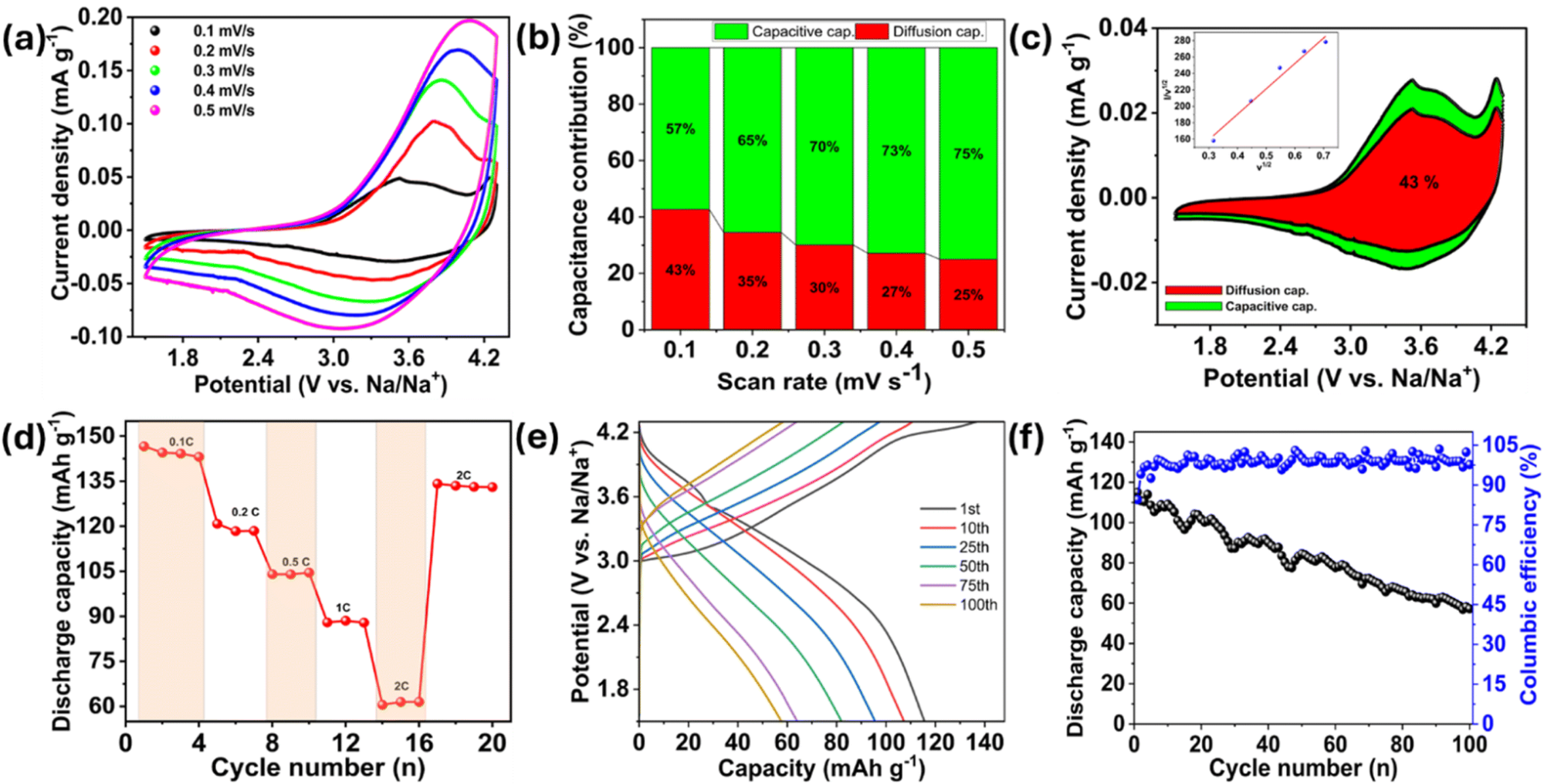
140 mAh g⁻¹ |
|
Cycling Performance |
500 cycles @ 93% retention |
|
Rate Capability |
Excellent performance @ 1C (80% capacity retention) |
Highlights
High-Entropy Stabilization: Multi-element synergy effectively stabilizes the crystal structure during repeated charge/discharge cycles.
Dual-Optimization: Perfectly balances long-term cycling stability with high-rate discharge demands.
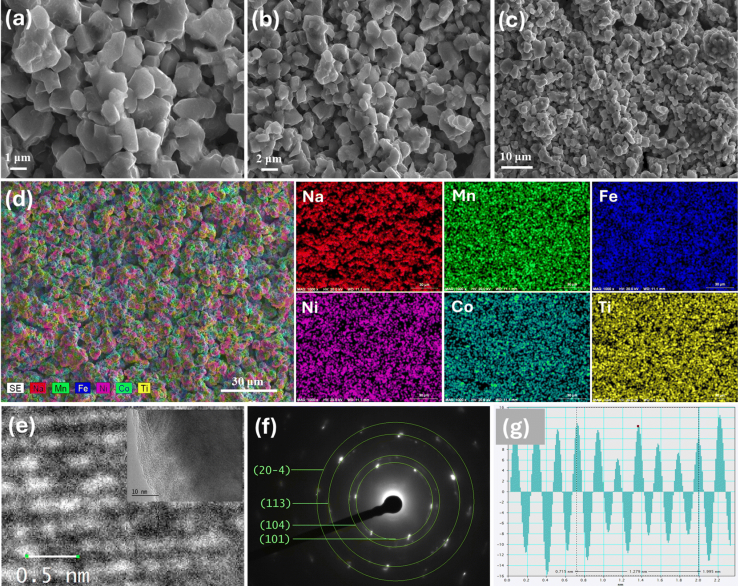
Advanced Morphology: Uniform element distribution (as verified by EDS mapping) ensures consistent electrochemical kinetics.
About Us
TRUNNANO is a leading supplier of high-performance battery materials for lithium-ion and sodium-ion batteries. Our portfolio includes nano cathodes, silicon-carbon anodes, hard carbon, and specialty additives. With strict quality control and consistent purity, we deliver reliable solutions for 3C electronics, power tools, and energy storage systems. Committed to innovation, TRUNNANO drives the future of energy storage with cutting-edge materials and dedicated customer support.
FAQ
Q1: What are the primary advantages of the P3-type high-entropy structure?
A: The high-entropy design provides significant structural stabilization, which suppresses phase transitions and volume expansion during sodiation/desodiation, leading to superior cycling life compared to traditional transition metal oxides.
Q2: How does this material perform at high discharge rates?
A: It shows excellent rate capability, maintaining 80% of its capacity at 1C. This is largely due to its high capacitive contribution and efficient ion diffusion pathways within the P3 lattice.
Q3: Is this material suitable for commercial sodium-ion battery production?
A: Yes. Its stable voltage window (2.0-4.2V) and high reversible capacity (140 mAh g⁻¹) make it highly compatible with existing sodium-ion battery manufacturing processes and electrolytes.
Q4: What is the benefit of the Cr-doped multi-element composition?
A: The inclusion of Cr (along with Ni, Fe, Mn, Co) contributes to the high-entropy effect, which enhances the thermal and electrochemical stability of the cathode material during operation.
Note: For further technical data sheets or customized bulk inquiries, please contact our engineering support team.