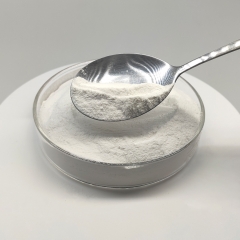


Overview of Cetylpyridinium Chloride
Cetylpyridinium chloride, also known as ciproammonium chloride, is an organic compound with the chemical formula C21H38ClN, mainly used as a disinfectant and antiseptic.

Factory Supply Cetylpyridinium Chloride
Chemical Properties of Cetylpyridinium Chloride
Melting point: 77 ℃
Boiling point: N/A
Density: N/A
Form: Powder crystals
Acidity coefficient (pKa): N/A
Colour: White
Application of Cetylpyridinium Chloride
1. Cetylpyridinium chloride is one of the most important antibacterial and antimicrobial ingredients in oral cleaning and care products. Due to its non-toxicity and non-irritating properties to skin and mucous membranes, it is widely used in toothpastes, mouthwashes, oral sprays and other products. By inhibiting the growth of bacteria in the oral cavity, cetylpyridinium chloride helps prevent oral diseases and maintain oral health.

Application of Cetylpyridinium Chloride
2. In the pharmaceutical field, cetylpyridinium chloride can be used as a bactericidal disinfectant. It can kill bacteria, viruses and other microorganisms, which is important for the prevention and treatment of infectious diseases. For example, before and after surgery, doctors use disinfectant solutions containing cetylpyridinium chloride to sterilize surgical instruments and surgical areas to reduce the risk of infection.
3. Cetylpyridinium chloride is also widely used in cosmetics and personal care products. It can be used as a preservative and biocide to effectively inhibit bacterial growth and extend the shelf life of products. At the same time, it can also improve the skin feel of the products, making the skin smoother and more delicate.
4. Cetylpyridinium chloride also plays an important role in hygiene products. For example, in sanitary napkins, wet wipes and other products, it can be used as an antibacterial agent to reduce bacterial growth and keep the products clean and hygienic.

The reasons of choosing us
Company Profile
Luoyang Tongrun Nano Technology Co. Ltd. (TRUNNANO) is a trusted global chemical material supplier & manufacturer with over 12-year-experience in providing super high-quality chemicals and nanomaterials, including boride powder, nitride powder, graphite powder, sulfide powder, 3D printing powder, etc.
The company has a professional technical department and Quality Supervision Department, a well-equipped laboratory, and equipped with advanced testing equipment and after-sales customer service center.
If you are looking for high-quality Cetylpyridinium Chloride, please feel free to contact us or click on the needed products to send an inquiry.

Company Profile
Packing of Cetylpyridinium Chloride
We have many different kinds of packing which depend on Cetylpyridinium Chloride quantity.
Cetylpyridinium Chloride packing: 100g, 1kg, 10kg,etc.

Company Profile
Payment methods of Cetylpyridinium Chloride
L/C, T/T, Western Union, Paypal, Credit Card etc.
Shipment of Cetylpyridinium Chloride
By sea, by air or by express as soon as possible once payment is received.
FAQs of Lauramidopropylamine oxide
Q:What is the antimicrobial spectrum of Cetylpyridinium Chloride, and how does it compare to other quaternary ammonium compounds?
A:Understanding the antimicrobial spectrum is crucial for its application in various fields. Cetylpyridinium Chloride is highly effective against a broad range of microorganisms, including Gram-positive and Gram-negative bacteria, fungi, and certain viruses. It is particularly potent against oral pathogens, making it a popular ingredient in mouthwashes and dental care products. Compared to other quaternary ammonium compounds (QACs) like benzalkonium chloride, CPC generally exhibits stronger antibacterial activity, especially against Gram-positive bacteria. This makes CPC a preferred choice for applications requiring high antimicrobial efficacy.
Q:How does the concentration of Cetylpyridinium Chloride affect its antimicrobial effectiveness and potential side effects?
A: The concentration of CPC is a critical factor in balancing its effectiveness and safety. At concentrations of 0.05% to 0.2%, CPC is highly effective in killing microorganisms and is commonly used in mouthwashes and throat sprays. However, higher concentrations can increase the risk of side effects such as oral mucosa irritation, taste alteration, and tooth staining. For example, concentrations above 0.2% may cause more significant irritation and should be used with caution. It is essential to follow recommended concentrations to maximize effectiveness while minimizing adverse effects.
Q:Can you provide data on the compatibility of Cetylpyridinium Chloride with other common ingredients in personal care and pharmaceutical formulations?
A:Compatibility with other ingredients is vital for formulating stable and effective products. Cetylpyridinium Chloride is generally compatible with non-ionic and cationic surfactants, but it can interact negatively with anionic surfactants, leading to reduced efficacy or precipitation. For instance, CPC should not be mixed with sodium lauryl sulfate (SLS) or other anionic surfactants. It is also important to note that CPC can form complexes with certain proteins and polymers, which can affect its performance. The supplier can provide compatibility charts and technical data to help formulate products that maintain CPC's antimicrobial properties.
Q:What are the recommended handling and storage conditions for Cetylpyridinium Chloride to ensure its stability and effectiveness?
A:Proper handling and storage are essential to maintain the quality and effectiveness of CPC. Cetylpyridinium Chloride should be stored in a cool, dry place, preferably between 15°C and 25°C, away from direct sunlight and sources of heat. It is hygroscopic and can absorb moisture, so it should be kept in a tightly sealed container to prevent degradation. Handling should be done with appropriate personal protective equipment (PPE) to avoid skin contact and inhalation. The supplier can provide detailed guidelines and safety data sheets (SDS) to ensure safe and effective handling and storage practices, helping to maintain the product's integrity and performance over time.