Key Applications of Silicon Disulfide
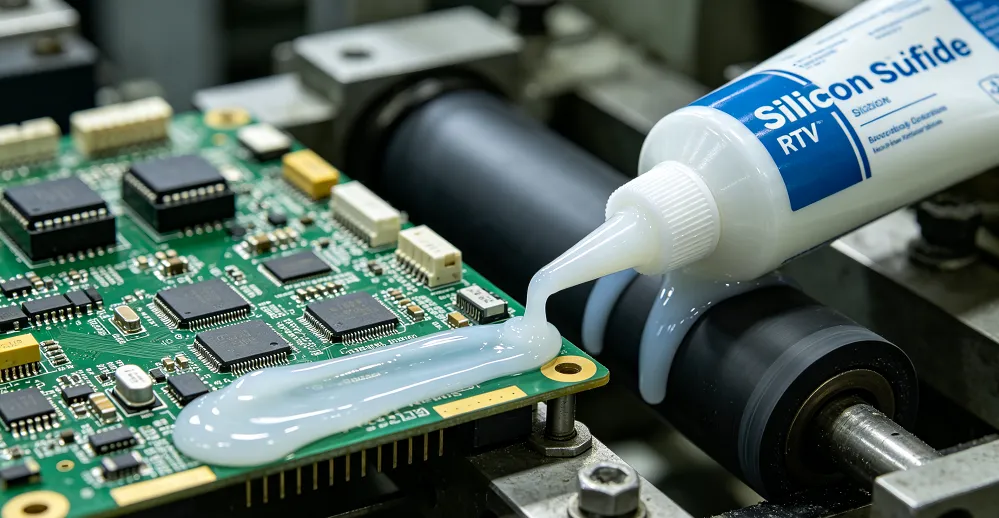
Silicon disulfide is primarily used in the production of room temperature vulcanized (RTV) silicone rubber, where it acts as a crosslinking agent or curing accelerator. This room-temperature curing capability is essential for applications involving heat-sensitive electronic components, large-scale sealing operations, and field repairs where heating is impractical.
1. Sealants and Adhesives: SiS₂-based formulations are widely used in the automotive and machinery industries for sealing applications. They provide durable seals that withstand vibration, temperature fluctuations, and exposure to oils and fluids. In the construction industry, SiS₂-based sealants are utilized for caulking and sealing applications, where their resistance to weather, temperature variation, and moisture ensures long-term durability of building joints and seals.
2. Rubber Processing: In the rubber industry, SiS₂ is used as a crosslinking agent for silicone rubber compounds. It enhances the mechanical properties, thermal stability, and chemical resistance of the final rubber products. The rubber roller materials used in earthquake-resistant applications benefit from the enhanced vibration-damping performance imparted by SiS₂ crosslinking.
3. Electronics Encapsulation: SiS₂ is used for coating and potting electronic and electrical components with RTV silicone rubber. The material provides excellent electrical insulation, moisture protection, and mechanical stability for sensitive electronic devices.
4. Textile and Printing Industries: In textile processing, SiS₂ is sometimes used as a modifier to improve the surface properties and durability of finished products. In the printing industry, SiS₂-containing formulations contribute to the production of high-quality rubber rollers and printing blankets that maintain their dimensional stability under demanding operating conditions.
5. Chemical Synthesis: SiS₂ serves as a precursor for the preparation of other silicon-sulfur compounds and as a reagent in certain organic synthesis reactions where a sulfur source is required.
Relationship Between Silicon Disulfide and Zinc Sulfide
Silicon disulfide and zinc sulfide are both important sulfide compounds, though they differ significantly in their properties, applications, and handling requirements.
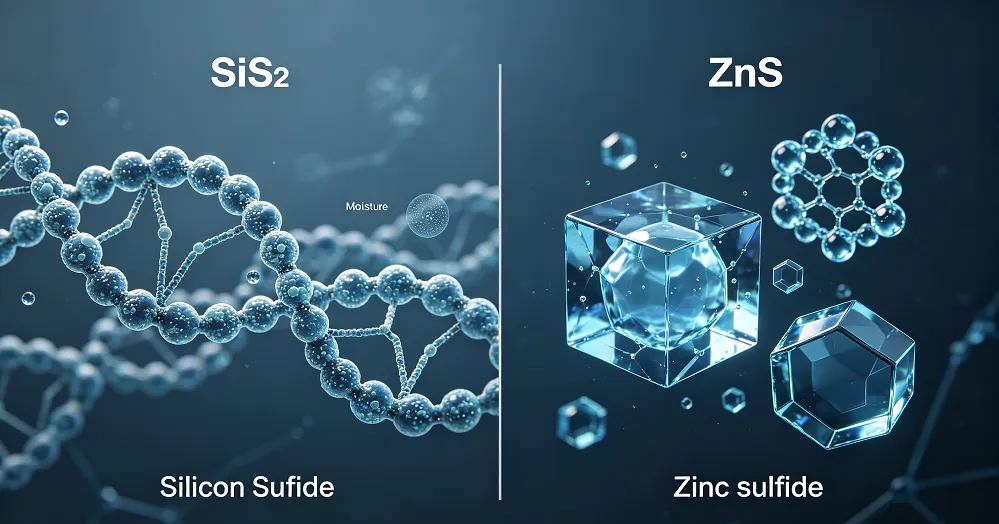
Chemical and Structural Comparison: Silicon disulfide is a covalent compound consisting of silicon and sulfur, featuring a fibrous chain structure of edge-sharing SiS₄ tetrahedra. Zinc sulfide (ZnS), on the other hand, is an ionic compound that exists in two common crystalline forms: sphalerite (cubic) and wurtzite (hexagonal). While SiS₂ is highly reactive and moisture-sensitive, ZnS is chemically stable and does not react with water. This fundamental difference in chemical behavior stems from the distinct bonding characteristics of the two compounds.
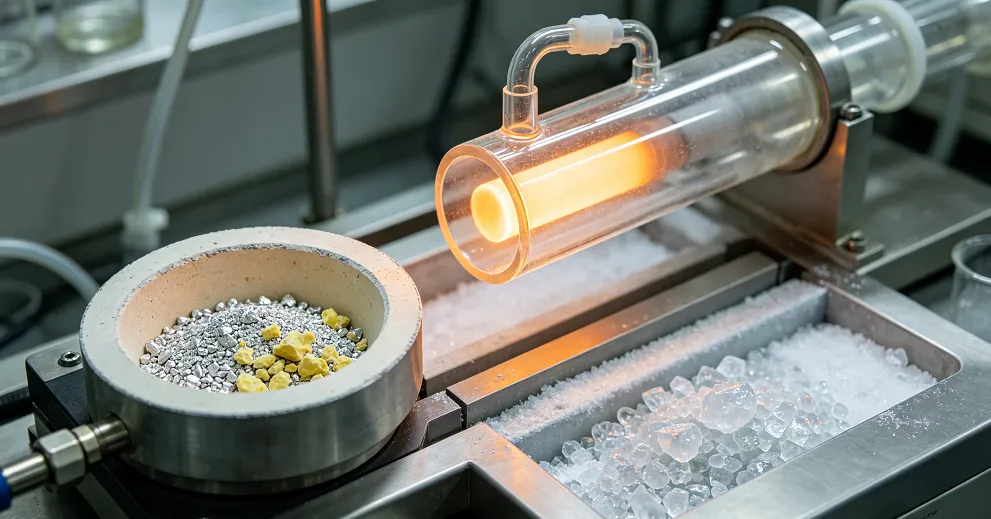
Similarities in Synthesis Approaches: Both compounds can be prepared by the direct reaction of their constituent elements, through gas-phase reactions, and through precursor decomposition methods. These shared synthetic approaches allow for flexibility in production and control over final product properties.
Differences in Applications: Despite sharing a common element, SiS₂ and ZnS serve distinctly different industrial purposes. SiS₂ is primarily used as a crosslinking agent in RTV silicone rubber, sealants, and rubber processing. ZnS is primarily used in phosphors for displays and lighting, optical materials, pigments, and as a wide-bandgap semiconductor material.
Synergistic Applications: In certain advanced material systems, silicon disulfide and zinc sulfide can be used together to achieve specific functional properties. In composite sealing materials, ZnS provides UV resistance and anti-yellowing properties while SiS₂ enables room-temperature crosslinking. In optoelectronic packaging, SiS₂-based sealants provide hermetic sealing, while ZnS-based phosphors are used for color conversion.
Selection Considerations: When choosing between silicon disulfide and zinc sulfide for a particular application, the following factors should be considered: reactivity (SiS₂ is reactive, ZnS is stable), moisture sensitivity (SiS₂ must be protected from moisture, ZnS is stable in water), optical requirements (ZnS is preferred for optical applications), curing requirements (SiS₂ is essential for room-temperature crosslinking), and cost (SiS₂ is typically more expensive).
Safety and Handling Considerations
Silicon disulfide is a moisture-sensitive and reactive material that requires careful handling to ensure operator safety and product integrity.
Health Hazards: Silicon disulfide decomposes in contact with moisture to release hydrogen sulfide (H₂S), a highly toxic and flammable gas with a characteristic rotten egg odor. Inhalation of H₂S can cause respiratory irritation, headache, dizziness, and in high concentrations, loss of consciousness or even death. Direct contact with the material may cause skin and eye irritation.
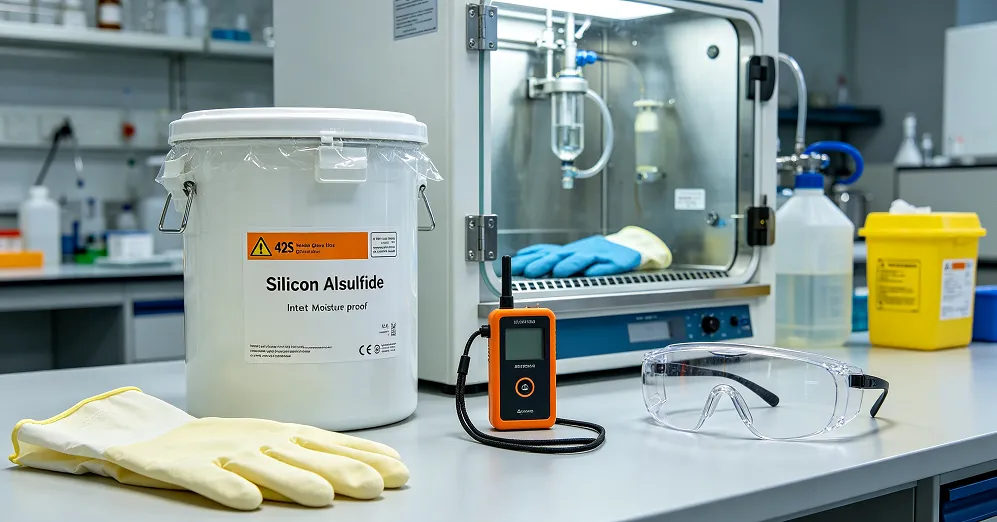
Protective Measures: When handling silicon disulfide powder, always work in a well-ventilated area or fume hood. Wear appropriate personal protective equipment including chemical-resistant gloves, safety goggles, and protective clothing. A dust mask or respirator is recommended when handling powder to avoid inhalation of airborne particles.
Storage Requirements: Store silicon disulfide in tightly sealed, moisture-proof containers under an inert atmosphere (such as nitrogen or argon) in a cool, dry place. Avoid storage near acids, oxidizing agents, and flammable materials. Ensure that storage areas are equipped with gas detection systems for H₂S monitoring.
Fire and Spill Response: Silicon disulfide is not highly flammable but can decompose at elevated temperatures. In case of fire, use dry powder, carbon dioxide, or sand extinguishers; water should be avoided as it will cause decomposition and release H₂S. In case of spill, avoid creating dust and carefully collect the material into a sealed container under an inert atmosphere. Use appropriate respiratory protection during cleanup to avoid H₂S exposure.
Disposal: Dispose of silicon disulfide waste in accordance with local environmental regulations. Neutralization should be performed by trained personnel using appropriate methods to convert the material to less hazardous silicate and sulfide compounds before disposal.