1. Understanding the Fundamentals of Nano Silicon Powder
1.1 Definition and Structural Characteristics
Nano silicon powder refers to silicon particles with dimensions ranging from 1 to 100 nanometers. Unlike bulk silicon, which has a crystalline structure, nano silicon powder exhibits unique quantum effects due to its small size. These particles can exist in amorphous or nanocrystalline forms, depending on the manufacturing process. The high surface-area-to-volume ratio of nano silicon powder enhances its reactivity, making it suitable for applications requiring rapid chemical interactions.
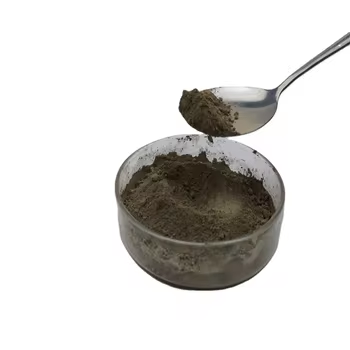 Nano Silicon Powder
1.1.1 The Quantum Confinement Effect
At the nanoscale, silicon particles experience quantum confinement, where electrons are restricted to discrete energy levels. This phenomenon alters the material’s optical and electrical properties. For instance, nano silicon powder can emit light at specific wavelengths when excited, a property exploited in optoelectronic devices.
1.1.2 Surface Chemistry and Reactivity
The surface of nano silicon powder is rich in dangling bonds and defects, which increase its chemical activity. This reactivity enables strong interactions with other materials, such as polymers or metals, facilitating the creation of composites with enhanced mechanical or thermal properties.
2. Manufacturing Processes: From Raw Materials to Nano Powders
2.1 Chemical Vapor Deposition (CVD) and Physical Methods
Chemical vapor deposition is a widely used method to produce nano silicon powder. In this process, silicon-containing gases react at high temperatures to form nanoparticles. The resulting powder is highly pure but requires precise control of temperature and gas flow to avoid aggregation. Physical methods, such as ball milling, involve grinding bulk silicon into fine particles. While simpler, this approach often yields particles with irregular shapes and broader size distributions.
2.1.1 Sol-Gel Techniques for Controlled Synthesis
Sol-gel methods allow for the synthesis of nano silicon powder with uniform size and shape. By hydrolyzing silicon alkoxides in a solvent, a gel forms, which is then dried and calcined to produce nanoparticles. This method offers better control over particle size compared to physical grinding but requires careful optimization of reaction conditions.
2.1.2 Challenges in Scaling Production
Scaling up nano silicon powder production faces challenges like maintaining particle uniformity and preventing oxidation. Oxidation reduces reactivity, so inert atmospheres or protective coatings are often employed during processing. Energy consumption and cost also limit large-scale adoption, driving research into more efficient synthesis routes.
3. Diverse Applications Across Industries
3.1 Energy Storage and Electronics
Nano silicon powder plays a critical role in lithium-ion batteries. Its high theoretical capacity (ten times greater than graphite) makes it ideal for anode materials, though volume expansion during cycling remains a challenge. Researchers address this by designing nanostructured electrodes that accommodate stress. In electronics, nano silicon powder enhances the conductivity of semiconductors and enables flexible, transparent circuits.
3.1.1 Medical and Biomedical Innovations
In biomedicine, nano silicon powder serves as a carrier for targeted drug delivery. Its biocompatibility and ability to cross cell membranes make it suitable for cancer therapy or imaging agents. Surface modifications with antibodies or peptides further improve targeting precision. Additionally, its thermal properties aid in hyperthermia treatments, where localized heat destroys tumors.
3.1.2 Environmental Remediation and Sensing
Nano silicon powder’s high adsorption capacity allows it to capture pollutants like heavy metals or organic compounds from water. Functionalized surfaces enhance selectivity, making it useful in wastewater treatment. In sensing, its optical properties enable ultra-sensitive detection of gases or biomarkers, advancing environmental monitoring and medical diagnostics.
4. Future Prospects and Challenges
4.1 Sustainable Production and Circular Economy
The environmental impact of nano silicon powder production is a growing concern. Researchers are exploring green synthesis methods, such as using biomass-derived precursors or recycling silicon waste from electronics. Circular economy approaches aim to repurpose industrial byproducts into high-value nanomaterials, reducing waste and resource consumption.
4.1.1 Next-Generation Energy Solutions
Advances in nano silicon powder could revolutionize energy storage. Solid-state batteries incorporating silicon anodes promise higher energy densities and safety. In solar cells, nano silicon powder enhances light absorption, boosting efficiency. Beyond energy, its role in hydrogen storage or carbon capture technologies offers pathways to decarbonize industries.
4.1.2 Ethical and Safety Considerations
As nano silicon powder becomes ubiquitous, addressing its safety is crucial. Toxicity studies are ongoing to understand potential health risks from inhalation or skin exposure. Regulatory frameworks must balance innovation with public safety, ensuring standards for safe handling and disposal. Ethical debates also arise regarding equitable access to technologies derived from nanomaterials.
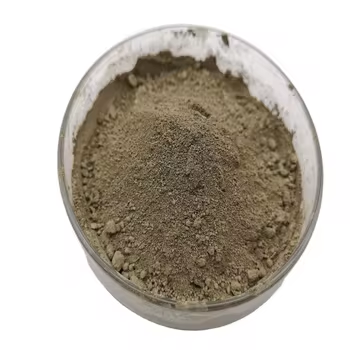
Nano Silicon Powder