The Geometry of Efficiency: Unlocking the Potential of Spherical Aluminum Oxide
Views : 131
Author : Vincy
Update time : 2026-04-03 17:06:34
Spherical aluminum oxide represents a significant evolution in the field of advanced ceramic materials, distinguishing itself from traditional irregular particulate fillers through its unique morphology and superior physical properties. While standard fused or calcined aluminum oxide (Al2O3) typically consists of angular, jagged particles, spherical aluminum oxide is engineered to possess a perfect or near-perfect spherical shape. This geometric transformation is not merely aesthetic; it fundamentally alters the way the material interacts with polymer matrices, fluids, and mechanical systems. As industries ranging from semiconductor packaging to electric vehicle manufacturing demand higher thermal conductivity and lower viscosity in their composite materials, spherical aluminum oxide has emerged as a critical enabler of next-generation thermal management solutions.
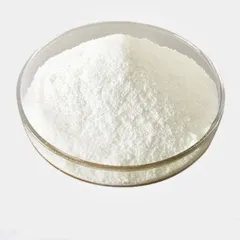
Spherical Aluminum Oxide
The Morphological Advantage: Why Shape Matters
To understand the supremacy of spherical aluminum oxide, one must first appreciate the physics of particle packing. In the world of composite materials, the shape of the filler dictates the flow and the final performance of the mixture. Traditional angular fillers, often described as having a "blocky" or "acicular" structure, tend to interlock with one another. This interlocking creates high internal friction, leading to a rapid increase in viscosity as the filler loading increases. Consequently, manufacturers are often forced to limit the amount of filler they can add, which in turn limits the thermal conductivity of the final product, since the polymer matrix usually has poor thermal properties. Spherical aluminum oxide solves this problem through geometry. Spheres have the lowest possible surface-area-to-volume ratio of any shape. This means that for a given volume of filler, there is less surface area to be wetted by the resin. Furthermore, spheres roll over one another rather than interlocking. This "ball-bearing effect" allows for significantly higher packing densities. By utilizing a mixture of different particle sizes—where smaller spheres fill the voids between larger ones—manufacturers can achieve filler loadings exceeding 90% by weight. This high density is the key to creating materials that conduct heat efficiently while maintaining a viscosity that allows for easy processing, injection molding, or dispensing.
Thermal Management: The Heat Dissipation Hero
The primary driver for the adoption of spherical aluminum oxide is the escalating demand for thermal management in electronics. As electronic devices become smaller, faster, and more powerful, the heat flux they generate increases exponentially. If this heat is not effectively dissipated, it leads to performance throttling, reduced lifespan, or catastrophic failure. Spherical aluminum oxide serves as the backbone for Thermal Interface Materials (TIMs). These materials—often in the form of thermal greases, gap pads, or phase change materials—are placed between a heat-generating component (like a CPU or GPU) and a heat sink. The goal is to displace air (which is a thermal insulator) with a material that conducts heat. Because spherical aluminum oxide allows for higher filler loading, the resulting TIM has a higher thermal conductivity, often reaching values of 3 W/mK to 10 W/mK or higher, depending on the formulation. Moreover, the high thermal conductivity of the alpha-phase aluminum oxide crystal structure ensures that heat is transferred rapidly through the filler network. Unlike amorphous silica or lower-grade fillers, high-purity spherical aluminum oxide provides a direct path for phonon transport—the primary mechanism of heat conduction in non-metallic solids. This makes it indispensable in high-performance computing, 5G telecommunications infrastructure, and power electronics where thermal resistance must be minimized.
Rheology and Processability: The Flow Factor
Beyond thermal performance, the rheological properties of a composite are vital for manufacturing efficiency. Rheology is the study of the flow of matter, and in this regard, spherical aluminum oxide offers distinct advantages over its angular counterparts. When angular particles are mixed into a resin, they create a "high viscosity spike." The mixture becomes thick, paste-like, and difficult to pump or dispense. This limits the speed of production lines and can lead to defects such as voids or incomplete filling of molds. In contrast, composites filled with spherical aluminum oxide exhibit Newtonian or near-Newtonian flow behavior. The mixture remains fluid and pumpable even at high solid contents. This low viscosity is crucial for several manufacturing processes: Encapsulation: In the packaging of integrated circuits, the molding compound must flow rapidly into tiny, intricate cavities to encapsulate the delicate silicon die. Spherical aluminum oxide ensures the compound flows freely without damaging the wire bonds. Coating: For thermal coatings, the material must be sprayable. Spherical particles prevent nozzle clogging and ensure a smooth, uniform film thickness. Potting: When potting large electronic assemblies, low viscosity ensures the material self-levels and penetrates deep into the assembly without trapping air bubbles.
Spherical Aluminum Oxide
Mechanical Considerations: Reducing Abrasion
A often-overlooked benefit of spherical aluminum oxide is its impact on equipment longevity. Aluminum oxide is an extremely hard material (9 on the Mohs scale), second only to diamond and a few other ceramics. When this material is in an angular form, the sharp edges act like microscopic cutting tools. During the mixing and compounding process, these sharp particles abrade the screws, barrels, and molds of the processing machinery. This leads to significant wear and tear, requiring frequent maintenance and replacement of expensive equipment. The smooth surface of spherical aluminum oxide drastically reduces this abrasive effect. Because there are no sharp corners to dig into the metal surfaces of the mixing equipment, the wear rate is significantly lowered. This "low abrasion" characteristic extends the lifespan of molds and mixing vessels, reducing downtime and maintenance costs for manufacturers. Additionally, in applications like CMP (Chemical Mechanical Planarization) slurries used in semiconductor wafer polishing, the spherical shape ensures a uniform polishing action that minimizes surface scratches and defects on the delicate silicon wafers.
Electrical Insulation and Dielectric Strength
While thermal conductivity is paramount, electrical insulation is non-negotiable in electronics. Spherical aluminum oxide is an excellent electrical insulator with high dielectric strength. This property allows it to be used in applications where heat must be conducted away from a component without creating an electrical short circuit. For example, in Aluminum Clad Copper (ACC) boards or metal-core printed circuit boards (MCPCBs), a layer of dielectric material is required to separate the copper circuitry from the metal baseplate. This dielectric layer is often filled with spherical aluminum oxide. The material provides the necessary thermal pathway to move heat from the circuit traces to the metal baseplate for dissipation, while simultaneously withstanding high voltages without breaking down. This dual capability—conducting heat while blocking electricity—makes it superior to metallic fillers like silver or copper powder, which would cause short circuits if used in dielectric layers.
Comparative Analysis: Spherical Alumina vs. The Alternatives
To truly understand the position of spherical aluminum oxide in the market, it is helpful to compare it with other common thermal fillers. Spherical Aluminum Oxide vs. Angular Aluminum Oxide: The comparison here is strictly about morphology. Angular alumina is cheaper to produce but suffers from high viscosity and lower packing density. It is suitable for lower-end applications where flow is not critical, but for high-performance thermal interface materials, the spherical form is vastly superior due to its ability to form a dense, conductive network without thickening the resin excessively. Spherical Aluminum Oxide vs. Silica (SiO2): Silica is a common filler, particularly in semiconductor molding compounds. Fused silica has a very low coefficient of thermal expansion (CTE), which is excellent for reducing stress. However, the thermal conductivity of silica (approx. 1.4 W/mK) is significantly lower than that of aluminum oxide (approx. 30 W/mK for the crystal). Therefore, when high heat dissipation is required, silica is often insufficient on its own. Spherical aluminum oxide is often used to replace or supplement silica to boost thermal performance, although it comes with a higher density and slightly higher CTE. Spherical Aluminum Oxide vs. Boron Nitride (BN): Boron nitride, particularly in its hexagonal form, is known as "white graphite." It has excellent thermal conductivity and lubricity. However, BN is significantly more expensive than aluminum oxide and can be difficult to process due to its platelet structure, which can align in ways that create anisotropic thermal conductivity (conducting heat in one direction but not others). Spherical aluminum oxide offers a more isotropic thermal performance and a much better cost-to-performance ratio, making it the standard choice for mass-market applications. Spherical Aluminum Oxide vs. Aluminum Hydroxide (ATH): ATH is often used as a flame retardant filler. While it is inexpensive, it decomposes at relatively low temperatures (around 200°C), releasing water vapor. This makes it unsuitable for high-temperature processing or applications requiring high thermal stability. Spherical aluminum oxide is thermally stable up to temperatures exceeding 1000°C, making it suitable for harsh environments.
Spherical Aluminum Oxide
Production Methodologies: From Rough to Round
The transformation of raw alumina into spherical aluminum oxide is a feat of engineering. The most common industrial method is the flame fusion or high-temperature melting process. In this technique, fine angular alumina powder is fed into a high-temperature flame (often oxy-hydrogen). The intense heat melts the particles, and surface tension naturally pulls the molten droplets into spheres to minimize surface energy. These droplets are then rapidly cooled and collected. This process requires precise control over temperature and feed rates to ensure the particles are fully melted and spheroidized without agglomerating. The resulting product is high-purity alpha-phase spherical alumina. Other methods, such as sol-gel processes, can also produce spheres, often with higher purity but at a significantly higher cost and lower yield. The flame fusion method strikes the best balance between quality and scalability, allowing for the mass production required by the global electronics industry.
Applications in the New Energy Sector
The rise of the electric vehicle (EV) has created a massive new market for spherical aluminum oxide. EVs rely on complex power electronics, including inverters and DC-DC converters, which utilize Insulated Gate Bipolar Transistors (IGBTs) or Silicon Carbide (SiC) modules. These components generate immense amounts of heat during operation. To ensure reliability and safety, these modules are potted or encapsulated with thermally conductive gels and epoxies. Spherical aluminum oxide is the filler of choice for these potting compounds. It allows the heat to be drawn away from the sensitive semiconductor chips to the cooling plates. Furthermore, the low abrasion of the spherical particles is critical here, as the potting equipment involves pumps and dispensers that must run continuously without wear. Additionally, in the battery packs themselves, thermal gap fillers are used between the battery cells to conduct heat away to the cooling system, preventing thermal runaway. The high loading capability of spherical aluminum oxide ensures these gap fillers are soft and compliant (to absorb vibration) while still being highly conductive.
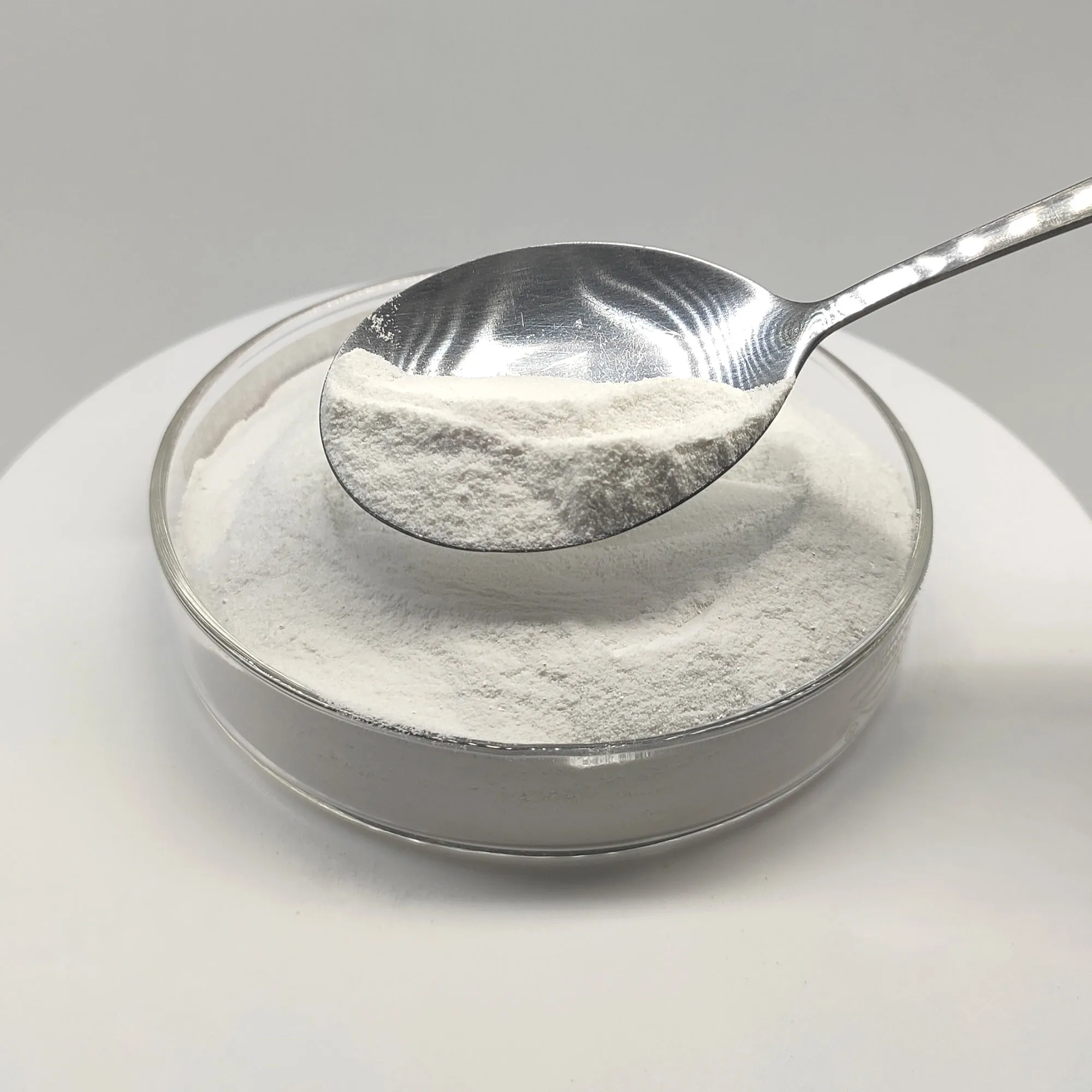
Spherical Aluminum Oxide
The Role in Semiconductor Packaging
As chips become more complex with 3D stacking and chiplet architectures, the materials used to protect them must evolve. Molding compounds used to encapsulate these chips must flow into increasingly narrow gaps (sometimes less than 50 micrometers). Spherical aluminum oxide is essential here for two reasons. First, its spherical shape ensures it does not clog the narrow channels during the molding process. Angular particles might bridge across a gap, leaving a void that could lead to moisture ingress and chip failure. Second, the high thermal conductivity helps dissipate the heat from the advanced logic chips, which are pushing the limits of power density. For high-end applications like AI processors and High Bandwidth Memory (HBM), low-alpha ray spherical alumina is used. This specialized grade is manufactured to minimize radioactive impurities (Uranium and Thorium) that could cause "soft errors" in the memory cells, demonstrating the material's critical role in computing reliability.
Surface Modification and Functionalization
While spherical aluminum oxide is chemically inert, its surface can be modified to improve compatibility with organic polymers. The surface of the sphere is covered with hydroxyl groups, which are hydrophilic (water-loving). Most polymers, however, are hydrophobic. This mismatch can lead to poor adhesion between the filler and the matrix, resulting in phase separation or reduced mechanical strength. To combat this, manufacturers often treat spherical aluminum oxide with silane coupling agents. These molecules act as a bridge; one end bonds to the aluminum oxide surface, while the other end interacts with the polymer chain. This surface modification improves the dispersion of the spheres within the resin, further lowers the viscosity, and enhances the mechanical properties of the cured composite. It also improves the hydrolytic stability of the material, making it more resistant to moisture absorption in humid environments.
Future Trends: Nano-Spheres
The frontier of spherical aluminum oxide research lies in the manipulation of particle size distribution and the development of nano-spheres. While micron-sized spheres are excellent for bulk thermal conductivity, the inclusion of nano-sized spherical particles can fill the remaining nanoscopic voids between the larger particles. This "multimodal" distribution pushes packing density even higher, theoretically approaching the limit of what is physically possible. For instance, combining the structural stability of spheres with the high intrinsic conductivity of graphene or carbon nanotubes (while managing electrical insulation) is a topic of intense study. However, for the vast majority of industrial applications, pure spherical aluminum oxide remains the gold standard due to its reliability, cost-effectiveness, and well-understood processing behavior.
Spherical Aluminum Oxide
TRUNNANO CEO Roger Luo said:"Current industrial focus is on optimizing particle size distribution to maximize thermal conductivity while maintaining low viscosity for advanced electronic packaging.”
Supplier
TRUNNANOis a globally recognized Spherical Aluminum Oxide manufacturer and supplier of compounds with more than 12 years of expertise in the highest quality nanomaterials and other chemicals. The company develops a variety of powder materials and chemicals. Provide OEM service. If you need high quality Spherical Aluminum Oxide, please feel free to contact us. You can click on the product to contact us. Tags: Spherical Aluminum Oxide, aluminium oxide, Spherical Alumina