In the modern industrial system, the performance of additives directly determines the quality, efficiency, and production cost of end products. Among the numerous industrial additives available in the global market, Magnesium Stearate Powder stands out prominently with its unique multifunctional properties, becoming an indispensable core component in key industries such as pharmaceuticals, food processing, cosmetics manufacturing, plastics production, and more. As a professional market promoter from a foreign trade company with years of experience in global additive promotion, this article will comprehensively and in detail elaborate on Magnesium Stearate Powder, focusing on its four core functions—lubrication, stabilization, dispersion, and its special application as a tablet flow aid.
To fully understand the application value and market competitiveness of Magnesium Stearate Powder, it is first necessary to clarify its core physical and chemical properties, as these properties are the fundamental guarantee for its multifunctional performance.
Physically, Magnesium Stearate Powder has a fine and uniform particle size, with the micronized grade usually ranging from 10 to 20 microns, which ensures its good dispersibility and fluidity in the dry state. It has a density of 1.026 g/cm³ and a melting point of 88.5°C, so it remains stable in the solid state at room temperature, does not agglomerate easily, and is convenient for storage, transportation, and use. In terms of solubility, it is insoluble in polar solvents such as water and ethanol, but slightly soluble in non-polar solvents such as ether and benzene. In addition, it has excellent thermal stability, which can maintain its performance stability in the temperature range of -20°C to 100°C, and will not decompose or deteriorate easily. Most importantly, it has low toxicity, with an oral LD₅₀ greater than 1000 mg/kg, which fully meets the safety standards of food, pharmaceuticals, cosmetics,s and other industries in countries around the world, making it widely applicable in high-safety-required fields.
Chemically, Magnesium Stearate Powder is relatively stable and does not react with most chemical substances commonly used in industry, such as resins, pigments, fillers, etc.,s and active ingredients of drugs. This ensures that when it is added to various production systems, it will not affect the inherent properties and quality of raw materials, nor will it produce harmful by-products. Its amphiphilic molecular structure (with both polar and non-polar groups) enables it to effectively reduce the surface tension between different substances, thereby exerting excellent lubricating, dispersing, emulsifying, and stabilizing effects. As a typical boundary lubricant, it can form a thin and uniform lubricating film on the surface of particles or metal equipment, which significantly reduces the friction coefficient between surfaces and prevents adhesion between materials or between materials and equipment, providing strong support for its four key functions in various industrial fields.
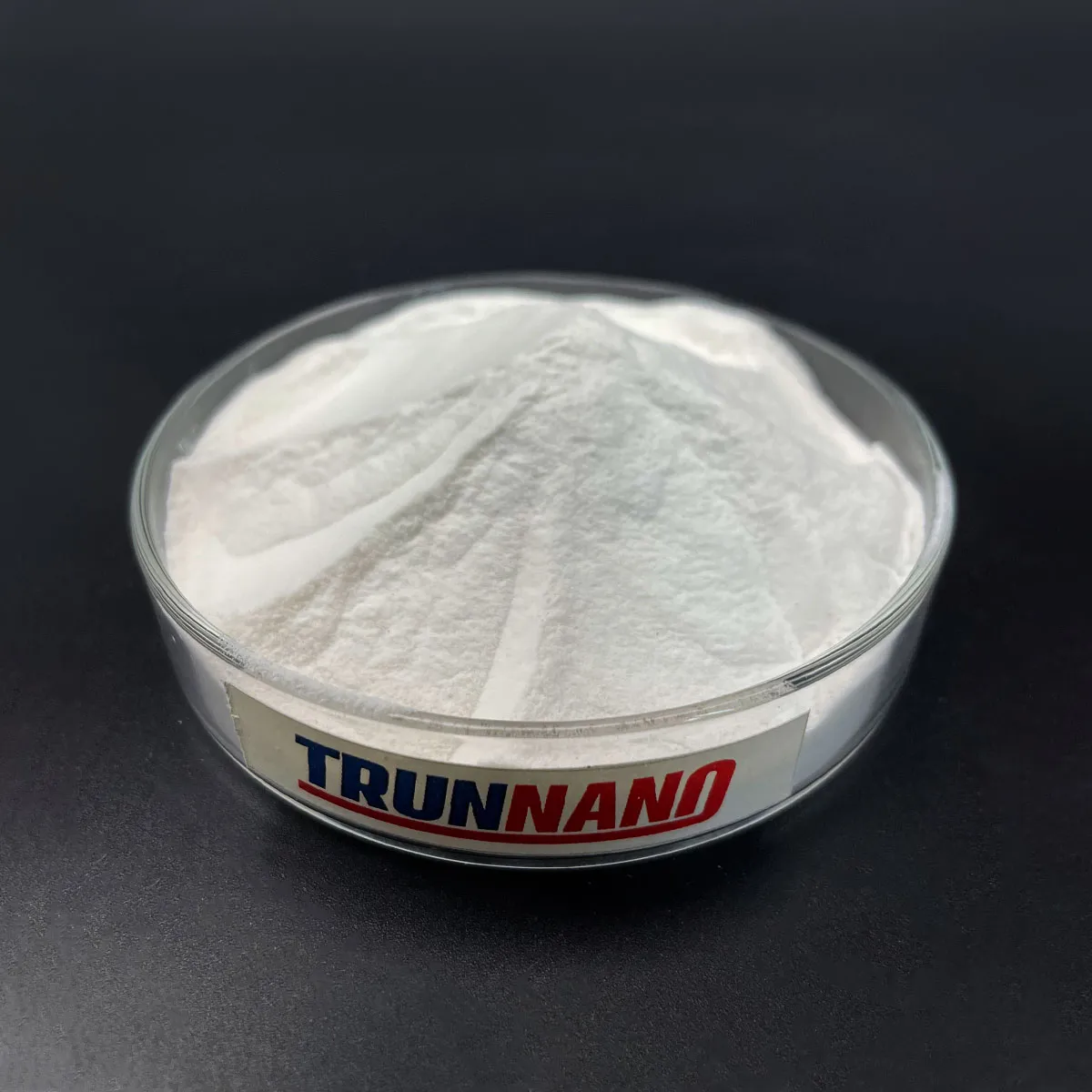
Magnesium Stearate
Lubrication is the most basic and widely used function of Magnesium Stearate Powder, and it is also one of its core competitive advantages in the additive market. Its unique molecular structure allows it to form a stable lubricating film on the contact surface of substances, which can not only reduce the friction resistance between moving parts or between materials, but also prevent adhesion and wear, thereby improving production efficiency, reducing equipment loss, and ensuring the smooth progress of the production process. This lubricating function is widely applied in plastics, rubber, textiles, metal, lurgy and other industries, and it isanso the important basis for its application as a tablet flow aid in the pharmaceutical industry.
In the plastics industry, Magnesium Stearate Powder is widely used as a lubricant and release agent in the processing of various plastic products, such as polyethylene (PE), polypropylene (PP), polyvinyl chloride (PVC), and acrylonitrile-butadiene-styrene copolymer (ABS). When processing plastic products, adding 0.5% to 1.0% of Magnesium Stearate Powder can effectively reduce the friction between plastic melt and processing equipment (such as extruders, injection molding machines,s and molds), lower the energy consumption during processing, and prevent the plastic melt from adhering to the inner wall of the equipment and the surface of the mold. At the same time, it can also improve the surface gloss and smoothness of plastic products, reduce the occurrence of surface defects such as scratches and burrs, and extend the service life of molds, which helps to improve the production efficiency and product quality of plastic manufacturers.
In the rubber industry, Magnesium Stearate Powder can significantly enhance the processing performance of rubber. When added to rubber materials, it can reduce the friction between rubber molecules and between rubber and processing equipment, make the rubber material easier to mix, knead, and extrude, and promote the uniform dispersion of various additives (such as vulcanizing agents, accelerators, and fillers) in the rubber matrix. This not only improves the vulcanization efficiency of rubber, shortens the vulcanization time, but also enhances the mechanical properties and durability of rubber products, making the products more wear-resistant, tensile,e and aging-resistant. In the textile industry, it is used as a fiber lubricant, which can form a protective film on the surface of fibers, reduce the friction between fibers, prevent fibers from breaking during spinning and weaving processes, and improve the spinnability of fibers and the softness of fabrics, making the produced fabrics more comfortable to touch.
Notably, compared with other lubricants such as stearic acid and calcium stearate, Magnesium Stearate Powder has better compatibility with other additives, and can achieve better lubricating effect at a lower dosage (usually 0.1% to 2.0%). This not only reduces the cost of additives for enterprises but also avoids the adverse effects of excessive additives on product quality, which is an important reason why it is widely used in various industries.

Magnesium Stearate Powder
In addition to excellent lubricating performance, Magnesium Stearate Powder also has a strong stabilizing function, which can effectively maintain the stability of production systems and end products, prevent product decomposition, deterioration, or caking during storage and use, and thus extend the shelf life of products. This function is particularly critical in industries with high requirements for product stability, such as food, cosmetics, and pharmaceuticals, and has become an important factor for many manufacturers to choose this additive.
In the food industry, Magnesium Stearate Powder is listed as a food additive with the code E470b in the European Union, and it is widely used in various food products. For example, in flour products such as bread, cakes, and biscuits, it can stabilize the gluten structure in the flour, prevent the gluten from aging or breaking during processing, thereby improving the texture and taste of the products. In powdered food such as milk powder, soy milk powder, and protein powder, it can effectively prevent the powder from absorbing moisture and caking, maintain the fluidity of the powder, and make it easier for consumers to use. In confectionery products such as candy and chocolate, it can stabilize the sugar crystal structure, prevent the sugar from crystallizing and precipitating, and maintain the smoothness and taste of the products. In addition, it can also keep condiments such as salt, monosodium glutamate,e and spices in a fluid state, preventing caking and deterioration. The daily intake limit of Magnesium Stearate Powder in food is less than 2500 mg per person, which is safe and non-toxic, and fully compliant with the food safety standards of various countries around the world.
In the cosmetics industry, Magnesium Stearate Powder is an important stabilizing component in many cosmetic formulas. In cream and lotion products, it can effectively prevent the separation of oil and water phases, maintain the uniformity and stability of the formula, and avoid the occurrence of stratification, precipitation, and other phenomena during storage. In powder cosmetics such as loose powder, pressed powder, blush,h and eye shadow, it can maintain the fineness and looseness of the powder, prevent the powder from agglomerating, and improve the adhesion and spreadability of the cosmetics on the skin. In lipstick and lip gloss products, it can enhance the stability of the product, prevent the lipstick from softening, melting, ting or deforming at temperatures, and extend the shelf life of the cosmetics. In the pharmaceutical industry, it can protect the active ingredients of drugs from the influence of external factors such as light, heat, and moisture, prevent the active ingredients from decomposing or deteriorating, and ensure the efficacy of drugs and the stability of product quality during the shelf life.

Magnesium Stearate Powder
The surface activity of Magnesium Stearate Powder also endows it with excellent dispersing function. It can effectively reduce the surface tension between particles, break down the agglomerates formed by particles due to the van der Waals force, and promote the uniform dispersion of particles in the production system, thereby improving the uniformity and overall performance of products. This dispersing function is widely used in coatings, inks, pigments, plastics, and other industries and plays a key role in improving product quality and production efficiency.
In the coatings industry, Magnesium Stearate Powder is used as a dispersant and anti-settling agent. In the production process of coatings, pigments and fillers are often prone to agglomeration, which affects the color uniformity and covering power of the coatings. Adding an appropriate amount of Magnesium Stearate Powder can effectively disperse the agglomerated pigment and filler particles, make them uniformly distributed in the coating matrix, and improve the color uniformity and covering power of the coatings. At the same time, it can also prevent the pigment and filler from settling at the bottom of the coating during storage, maintain the stability of the coating, and improve the durability and adhesion of the paint film after construction. In the ink industry, it can enhance the dispersibility of pigments in the ink, improve the leveling property of the ink, ensure that the ink can be evenly spread on the printing surface during the printing process, and thus obtain clear, uniform,m and beautiful prints, avoiding the occurrence of printing defects such as color spots and uneven ink layers.
In the plastics industry, the dispersing function of Magnesium Stearate Powder can promote the uniform dispersion of various fillers (such as calcium carbonate, talcum powder, and glass fiber) and additives (such as antioxidants, UV stabilizers) in the plastic matrix. This not only improves the mechanical properties of plastic products, such as tensile strength, impact strength,h and hardness, but also enhances the processing efficiency of plastics, avoids the occurrence of defects such as uneven texture and cracks caused by uneven dispersion of fillers, and thus improves the overall quality and market competitiveness of plastic products. In addition, in the production of pigments and dyes, it can also help to disperse the pigment particles uniformly, improve the color brightness and color fastness of pigments, and expand the application scope of pigments.
As an excellent tablet flow aid and lubricant, Magnesium Stearate Powder is indispensable in the production of pharmaceutical tablets, and it is also one of the most widely used additives in the pharmaceutical industry. In the production process of pharmaceutical tablets, the fluidity of drug powder is a key factor affecting the production efficiency and product quality. Poor fluidity of drug powder will lead to uneven filling of the die, resulting in uneven tablet weight, high rejection rate, and even affect the efficacy of drugs. Magnesium Stearate Powder can effectively solve these problems and optimize the production process of pharmaceutical tablets.
When added to drug powder at a dosage of 0.5% to 1.0%, Magnesium Stearate Powder can significantly improve the fluidity of drug powder, usually increasing the fluidity by 30% to 50%. This is because it can form a thin lubricating film on the surface of drug powder particles, reduce the friction and adhesion between particles, make the drug powder flow more smoothly, and thus ensure that the die can be filled uniformly during the tableting process, ensuring the uniformity of tablet weight and reducing the rejection rate. At the same time, it can also play a good lubricating role between the tablet press punches and dies, preventing the drug powder from adhering to the punches and dies, avoiding the occurrence of defects such as sticking punches and missing corners of tablets, and extending the service life of the tablet press equipment, reducing the maintenance cost of the equipment.
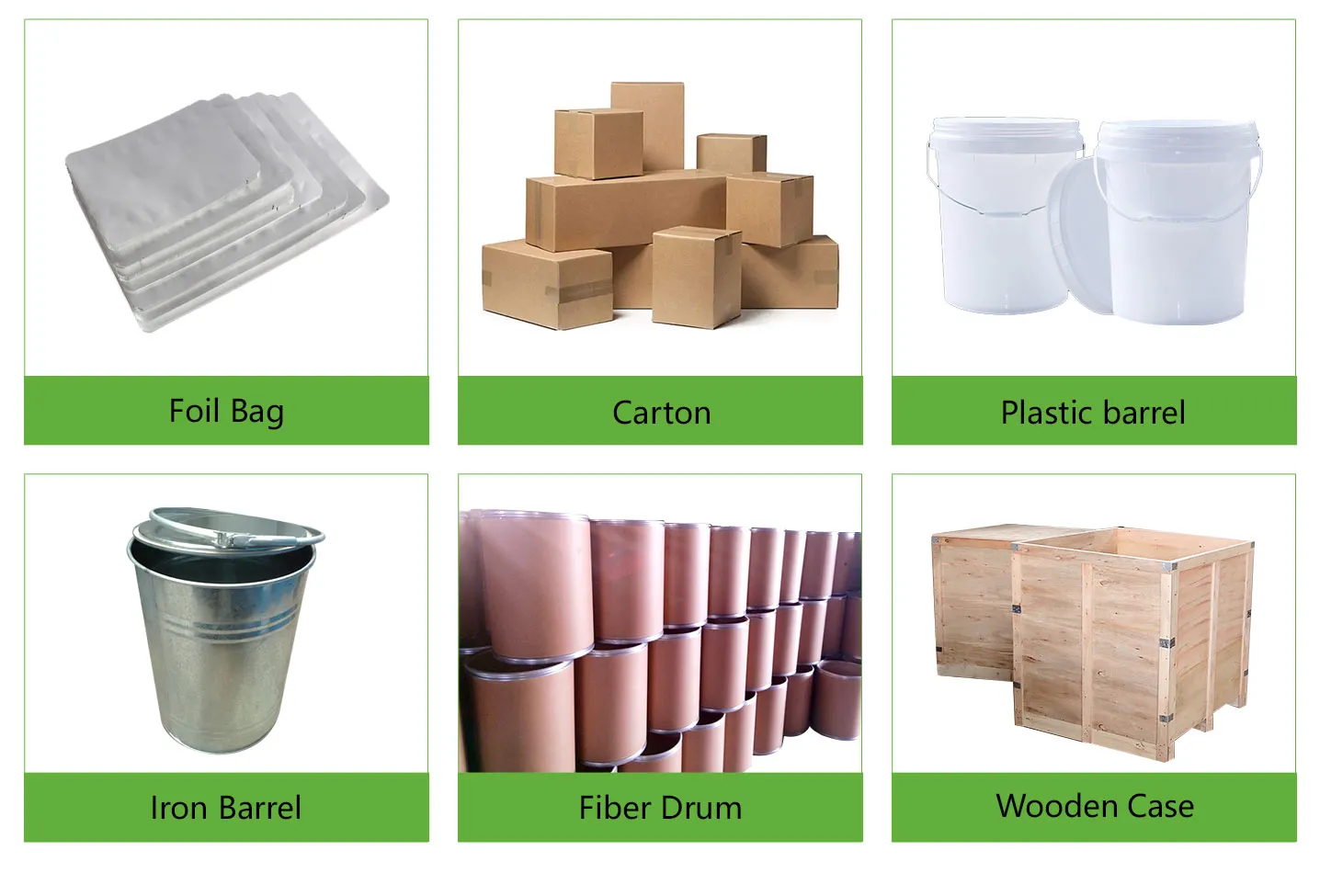
Packing & Shipping of Magnesium Stearate Powder
In conclusion, Magnesium Stearate Powder has become an essential industrial additive in the global market due to its excellent multifunctional properties, wide applicability, high safety, and cost-effectiveness. It plays an irreplaceable role in pharmaceuticals, food, cosmetics, plastics, and other industries, and its market demand and application prospects are very broad. As a professional foreign trade supplier with rich experience in the field of Magnesium Stearate Powder, we are committed to providing high-quality, compliant, and cost-effective products for global customers. Our products have passed the quality certification of various countries and regions, and can meet the diverse needs of different industries and customers. Choosing our Magnesium Stearate Powder means choosing efficiency qualityy, and cost savings. We sincerely look forward to cooperating with global buyers and partners to seize market opportunities together and achieve win-win development.
supplier