1. Introduction: The Rise of Hollow Glass Microspheres in Modern Industry
In the realm of advanced materials, innovation often hinges on balancing performance with efficiency. Hollow glass microspheres (HGMs)—tiny, spherical particles with a hollow interior and a thin glass shell—have emerged as a transformative additive across industries, from aerospace to biomedical engineering. These microscopic marvels, typically ranging from 10 to 300 micrometers in diameter, combine ultra-low density with exceptional mechanical stability, thermal insulation, and chemical inertness. Their ability to reduce weight while enhancing material properties has made them indispensable in applications demanding lightweight, durable, and multifunctional composites.
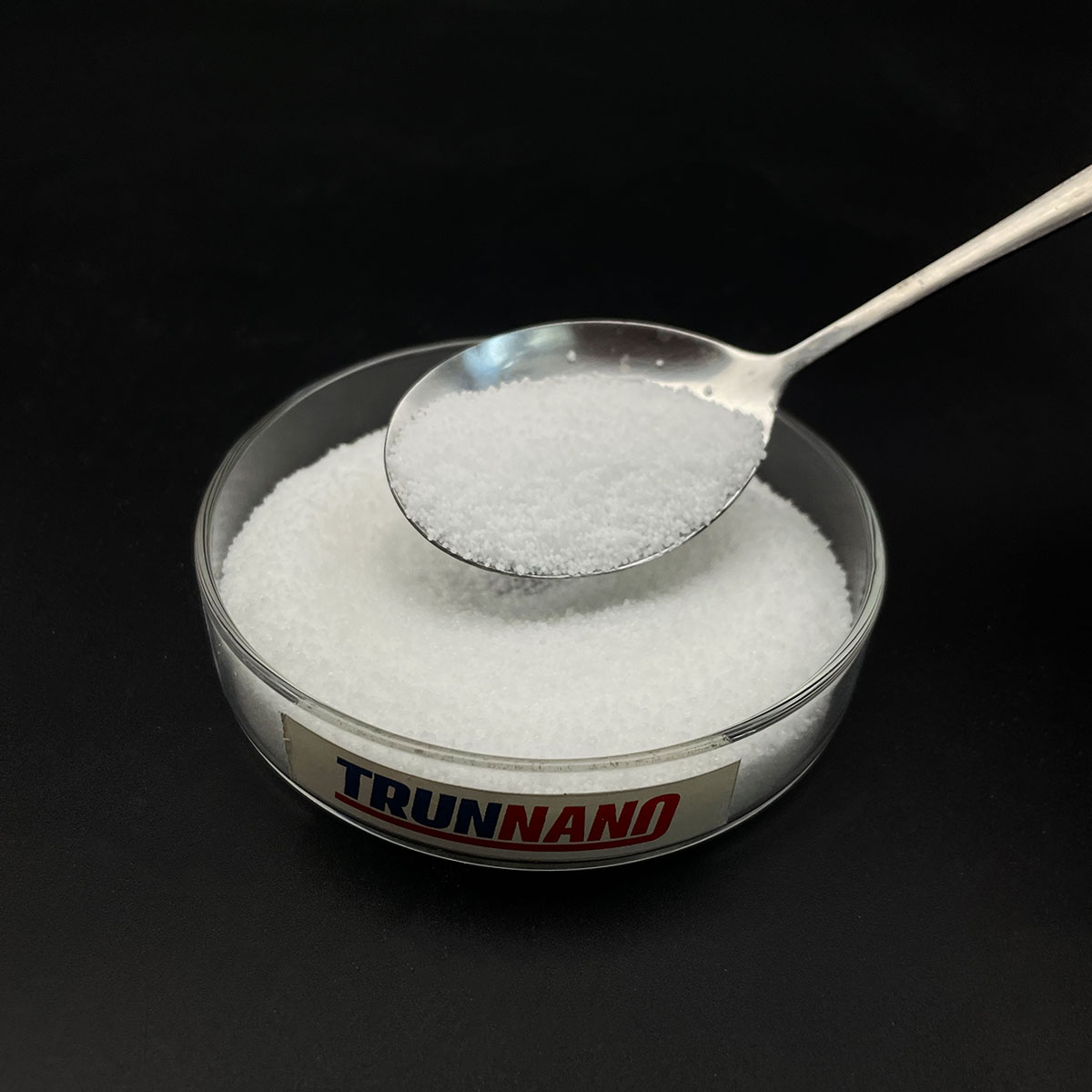
Hollow Glass Microspheres
- The precursor solution containing silica and other metal oxides is decomposed in water to form a gel.
- The gel is emulsified into droplets, which are dried and sintered at high temperatures (800–1,500°C) to create hollow spheres.
- Advantages: High purity, precise control over particle size and shell thickness.
2.2.2 Flame Spray Pyrolysis:
- A liquid feedstock (e.g., silicate solution) is atomized into a high-temperature flame, where rapid evaporation and oxidation form hollow glass particles.
- Advantages: Scalability, cost-effectiveness for industrial-scale production.
2.2.3 Post-Processing Treatments:
- Coating technologies (e.g., silane coupling agents) enhance adhesion to polymer matrices, improving composite performance.
3. Properties That Define Performance: Why HGMs Stand Out
3.1 Thermal Insulation and Stability
HGMs’ hollow cores create a low-conductivity air barrier, making them superior thermal insulators.
- Thermal Conductivity: As low as 0.03–0.1 W/m·K, rivaling aerogels but with better mechanical durability.
- Thermal Shock Resistance: The glass shell withstands rapid temperature changes (ΔT > 500°C) without cracking, ideal for aerospace and cryogenic applications.
3.2 Acoustic and Electrical Properties
- Sound Damping: HGMs scatter sound waves, reducing noise in automotive and construction materials.
- Dielectric Constant: Values as low as 1.2–2.0 make them excellent fillers for low-loss electronic substrates.
3.3 Chemical Inertness and Biocompatibility
- Corrosion Resistance: The glass shell is impermeable to water, acids, and solvents, ensuring stability in harsh environments.
- Biomedical Potential: Surface-modified HGMs are being explored for drug delivery and imaging contrast agents due to their non-toxic nature.
4. Applications Across Industries: From Theory to Practice
4.1 Aerospace and Defense: Lightweighting for Fuel Efficiency
- Composite Materials: HGMs reduce the weight of aircraft components (e.g., fuselage panels, radomes) by 15–30% without compromising strength.
- Rocket Propellants: Incorporating HGMs into solid fuels lowers density, improving combustion efficiency and payload capacity.
4.2 Energy Sector: Enhancing Efficiency and Safety
- Oil and Gas: HGMs serve as lightweight proppants in hydraulic fracturing, improving fracture conductivity and reducing equipment wear.
- Thermal Batteries: Used as insulating fillers in lithium-ion batteries to prevent thermal runaway.
4.3 Construction and Infrastructure: Sustainable Building Solutions
- Lightweight Concrete: Adding HGMs reduces concrete density by up to 50%, lowering transportation costs and improving insulation.
- Fireproof Coatings: The low thermal conductivity of HGMs enhances the fire resistance of steel structures in high-rise buildings.
4.4 Biomedical Engineering: Innovations in Healthcare
- Drug Delivery Systems: Hollow HGMs encapsulate therapeutics, enabling controlled release via pH or temperature triggers.
- Medical Imaging: Gadolinium-doped HGMs act as MRI contrast agents with reduced toxicity compared to traditional nanoparticles.
4.5 Consumer Goods: Everyday Enhancements
- Cosmetics: HGMs provide a silky texture in foundations and sunscreens while reflecting light for a “soft-focus” effect.
- Sports Equipment: Lightweight tennis rackets and bicycle frames incorporate HGMs for improved strength-to-weight ratios.
5. Challenges and Future Directions: Pushing the Boundaries of HGM Technology
5.1 Scalability and Cost
While sol-gel processes offer precision, they remain expensive for large-scale applications. Advances in flame spray pyrolysis and recycling methods (e.g., recovering HGMs from end-of-life composites) could lower costs.
5.2 Functionalization for Next-Gen Applications
- Magnetic HGMs: Embedding iron oxide nanoparticles enables magnetic separation in biomedical and environmental remediation.
- Luminescent HGMs: Doping with rare-earth elements creates fluorescent markers for anti-counterfeiting and optical sensors.
5.3 Sustainability: Green Synthesis and Lifecycle Analysis
Researchers are exploring bio-based glass precursors and energy-efficient sintering techniques to reduce the carbon footprint of HGM production.
6. Conclusion: The Future Is Hollow—and Bright
Hollow glass microspheres exemplify how microscopic innovations can drive macroscopic change. Their unique blend of low density, high strength, and multifunctionality positions them as a cornerstone of modern material science. As industries continue to prioritize sustainability, efficiency, and performance, HGMs will play an increasingly pivotal role—from enabling greener aerospace technologies to revolutionizing drug delivery.
Hollow Glass Microspheres
7. Supplier
TRUNNANO is a globally recognized Hollow Glass Microspheres manufacturer and supplier of compounds with more than 12 years of expertise in the highest quality nanomaterials and other chemicals. The company develops a variety of powder materials and chemicals. Provide OEM service. If you need high quality Hollow Glass Microspheres, please feel free to contact us. You can click on the product to contact us. (sales5@nanotrun.com)
Tags: Hollow Glass Microspheres, glass microspheres, hollow glass spheres