Silicon nanoparticles refers to crystalline silicon particles less than 5 nanometers in diameter. Silicon nanoparticle powder has the characteristics of high purity, small particle size and even distribution. It has the advantages of large surface area, high surface activity, low density, non-toxic, tasteless and good activity.
The main use of nanometer silicon are as follows: it can react with organic matter and be used as raw material of organic silicon polymer material. Instead of nano carbon powder or graphite, as the material of lithium batteries.

silicon nanoparticles
Silicon nanoparticles represent one of the most significant advancements in nanomaterials, with properties that differ dramatically from bulk silicon. The extremely small particle size, typically below 5 nanometers, results in quantum confinement effects that alter the electronic and optical properties of the material. Unlike bulk silicon, which has an indirect bandgap of 1.12 eV, nano-silicon exhibits size-dependent photoluminescence, enabling efficient light emission and absorption. This phenomenon has made nano-silicon a promising material for optoelectronic applications, including light-emitting diodes (LEDs), photodetectors, and solar cells. The large specific surface area of silicon nanoparticles provides numerous active sites for chemical reactions, making them valuable for sensing and catalytic applications. The high surface activity enables effective surface functionalization, allowing for the integration of nano-silicon with organic molecules, polymers, and biological materials for advanced composite systems. The low density and non-toxic nature of silicon nanoparticles contribute to their suitability for biomedical applications, including drug delivery and bioimaging. The development of new synthesis methods, including laser ablation, chemical vapor deposition, and solution-based methods, continues to expand the range of available silicon nanoparticle grades with controlled size, morphology, and surface properties. The global demand for silicon nanoparticles is driven by their applications in lithium-ion batteries, optoelectronics, sensors, and biomedical devices. The growing interest in sustainable energy technologies and advanced materials is expected to drive continued research and development on silicon nanoparticles. The environmental benefits of silicon nanoparticles, including their abundance and non-toxicity, make them attractive for green technologies and sustainable manufacturing. The ongoing research on the fundamental properties and applications of silicon nanoparticles is expected to lead to new discoveries and expanded applications in various fields.
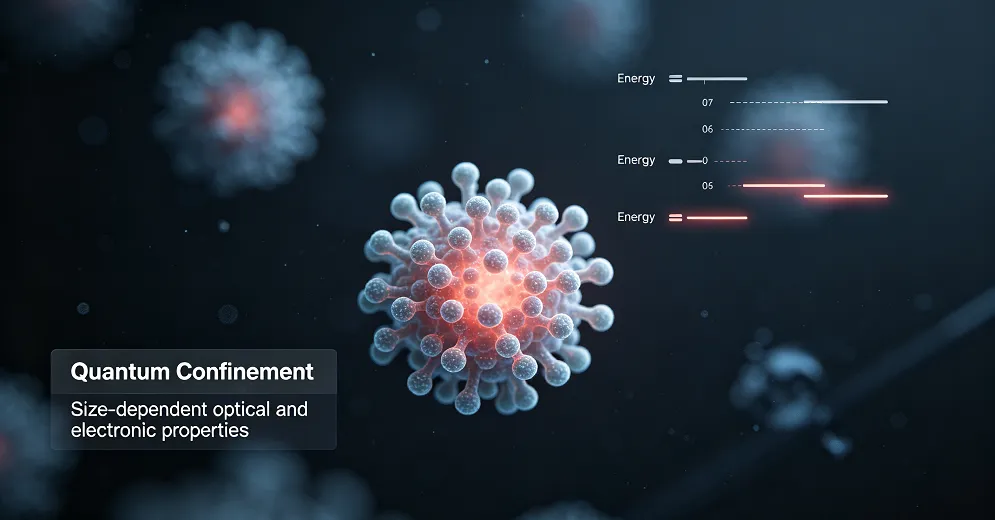
Quantum Confinement
The Main Use of Nanometer Silicon
The versatility of silicon nanoparticles is reflected in their wide range of applications across various industries. The material's unique combination of electronic, optical, and chemical properties makes it valuable in traditional industrial processes as well as emerging technologies. The following sections detail the major applications of silicon nanoparticles in different fields.
1. Organic Silicon Polymer Material: it can react with organic matter and be used as raw material of organic silicon polymer material.
Silicon nanoparticles serve as reactive precursors for the synthesis of organosilicon polymers and composites. The high surface reactivity of nano-silicon enables efficient functionalization with organic groups, creating composite materials with tailored properties for specific applications. These organosilicon polymer materials are used in coatings, adhesives, sealants, and advanced composites where the combination of organic flexibility and inorganic stability is required. The development of new organosilicon polymer formulations incorporating silicon nanoparticles continues to expand the range of applications for these materials. The compatibility of silicon nanoparticles with various organic matrices makes them versatile additives for improving the mechanical, thermal, and electrical properties of polymer composites.
2. Lithium Battery Anode Material: Instead of nano carbon powder or graphite, as the material of lithium batteries.
The application of silicon nanoparticles as an anode material for lithium-ion batteries is one of their most commercially significant uses. Silicon has a theoretical specific capacity of approximately 4200 mAh/g, which is more than ten times higher than the theoretical capacity of conventional graphite anodes (372 mAh/g). However, bulk silicon anodes suffer from severe volume expansion (up to 300%) during lithium insertion and extraction, leading to particle cracking, loss of electrical contact, and rapid capacity fading. Silicon nanoparticles address this challenge through several mechanisms: the small particle size accommodates volume changes with reduced internal stress, the high surface area provides enhanced electrolyte contact, and the short lithium diffusion paths enable rapid charge and discharge. Coating silicon nanoparticles with carbon layers further improves cycling stability by providing a conductive matrix and buffering volume expansion. The combination of nano-silicon with graphite or carbon nanotubes has resulted in composite anodes with stable capacities exceeding 1000 mAh/g over hundreds of cycles. The growing electric vehicle market is driving significant demand for high-performance silicon anode materials. Recent research has focused on the development of porous silicon nanoparticles and silicon-based composites to further enhance the cycling stability and rate capability of silicon anodes. The development of new silicon nanoparticle synthesis methods with controlled morphology and surface properties is essential for optimizing their performance in lithium-ion batteries. The environmental benefits of silicon, including its abundance and non-toxicity, make it an attractive material for sustainable energy storage technologies.
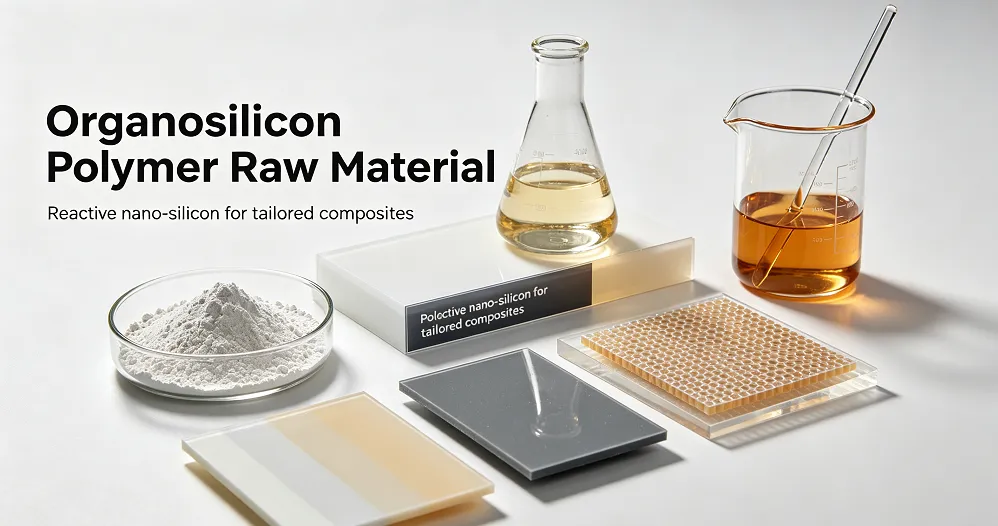
Organosilicon Polymer Raw Material
Applications of Silicon Nanoparticles
The following sections detail the major applications of silicon nanoparticles in different fields.
1. Nano Silicon Composite Potassium Flameproof Glass: Nano silicon composite potassium flameproof glass is A highly transparent and rigid nano silicon fire plastic and glass composite and become A new type of flameproof glass. Nanometer silicon fireproof glue is A hard transparent fireproof inorganic crystals, each piece of glass all over 30 procedure 500 hours to complete the production, is A new type of strong weatherability, stable quality, fire glass is for fire curtain wall is made of super weatherability flameproof glass, as A fire resistance to bask in the fire protection glass window, high transparent, does not change color, not degumming class A fireproof glass.
The incorporation of silicon nanoparticles into glass and fireproof materials represents an innovative application of nanotechnology in construction and safety. The nano-silicon composite glass combines the transparency of glass with the fire resistance of inorganic materials, creating a product suitable for high-safety applications such as fire curtains, fire windows, and building facades. The high transparency of the glass is maintained while providing protection against high temperatures and flames. The durability and weather resistance of the composite glass ensure long-term performance in exterior applications. The development of new nano-silicon composite formulations with improved fire resistance and mechanical properties continues to be an area of active research. The use of nano-silicon in fireproof applications is driven by the increasing demand for safety in buildings and infrastructure. The stability and transparency of the nano-silicon composite glass make it suitable for use in fire-rated glazing systems and architectural applications. The production process, involving multiple stages and extended processing times, reflects the complexity and precision required to achieve the desired properties. The superior weatherability and resistance to discoloration of nano-silicon fireproof glass ensure that it maintains its appearance and performance over extended periods. The classification of the glass as Class A fireproof material indicates its high level of fire resistance, suitable for critical applications where fire safety is paramount. The development of more efficient production methods for nano-silicon fireproof glass is an area of ongoing research, aimed at reducing costs and improving the accessibility of this technology.
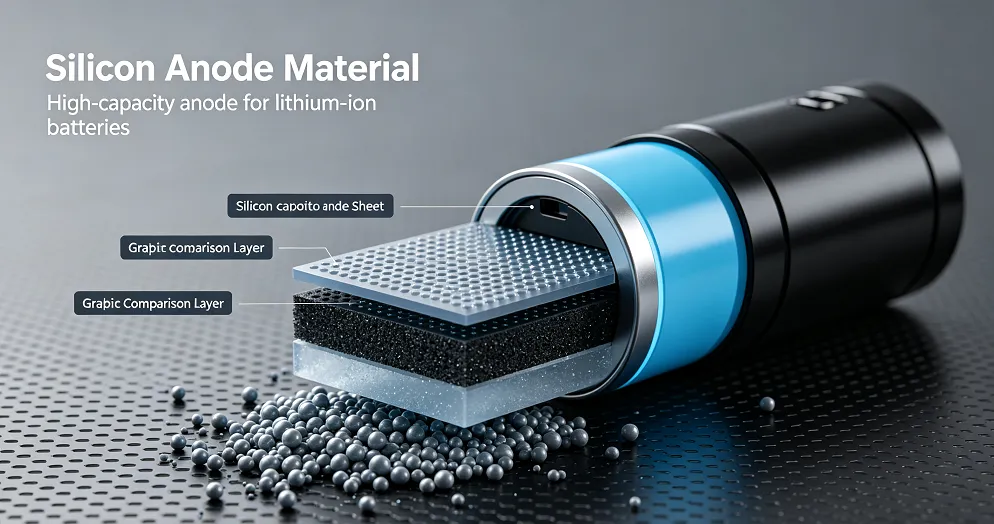
Silicon Anode Material
2. Nano Silicon Waterproof Adhesive: Nano silicon waterproof adhesive is developed by high-tech nanotechnology, is an environmentally friendly waterproof product, with permeable crystalline waterproof property, can be diluted and then sprayed on the surface of dry porous building materials such as brick, cement, stone, gypsum, lime, forming a colorless permanent waterproof layer.
The nano-silicon waterproof adhesive represents a significant advancement in building protection technology. The permeable crystalline waterproofing mechanism involves the penetration of silicon nanoparticles into the pores of building materials, where they react to form a crystalline structure that blocks water ingress. The colorless, permanent waterproof layer provides protection against water damage without altering the appearance of the treated surface. The environmentally friendly nature of the nano-silicon waterproof adhesive, which contains no volatile organic compounds or hazardous solvents, makes it suitable for use in sustainable construction and renovation projects. The application of the waterproof adhesive by spraying or brushing is simple and convenient, enabling efficient treatment of large areas. The compatibility of nano-silicon with various porous building materials, including brick, cement, stone, gypsum, and lime, makes it a versatile solution for protecting different types of structures. The durability and longevity of the waterproof layer ensure long-term protection against water ingress, reducing maintenance costs and extending the service life of buildings. The permeability of the nano-silicon waterproof adhesive allows the treated material to breathe, preventing the trapping of moisture within the structure. The effectiveness of the nano-silicon waterproof adhesive has been demonstrated in various applications, including basement waterproofing, bridge protection, and historic building preservation. The development of new nano-silicon waterproof formulations with improved performance and application characteristics continues to be an area of active research. The increasing demand for sustainable and environmentally friendly building materials is expected to drive continued growth in the use of nano-silicon waterproof adhesives. The potential for using nano-silicon in other construction applications, such as concrete additives and surface coatings, is also being explored. The long-term performance and durability of nano-silicon waterproofing systems are key factors in their adoption in the construction industry.
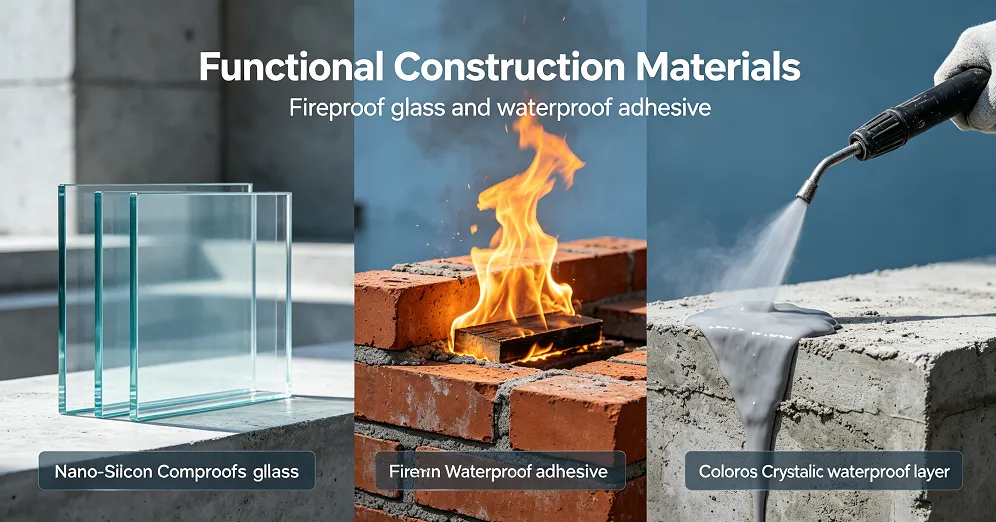
Functional Construction Materials
TRUNNANO (aka. Luoyang Tongrun Nano Technology Co. Ltd.) is a trusted global chemical material supplier & manufacturer with over 12 years experience in providing super high quality chemicals and Nano materials. The silicon nanoparticles produced by our company has high purity, fine particle size and impurity content. Lower, please contact us if necessary.