Product Introduction of Alumina Ceramic Brick
Alumina ceramic tile is an advanced ceramic material with high purity alumina (Al₂O₃) as the main component. This material has high hardness, abrasion resistance, corrosion resistance and good thermal stability, so it is widely used in industrial and high-tech fields. Alumina ceramic bricks are commonly used in the manufacture of parts where a high degree of wear and chemical resistance is required, such as abrasive media, seals, and cutting tools.

Alumina Ceramic Brick
Specification of Alumina Ceramic Brick
|
Property |
Specification Value |
|
Al₂O₃ Content (%) |
>= 90% |
|
Bulk Density (g/cm³) |
2.7 – 3.6 |
|
Cold Crushing Strength (MPa) |
>= 80 |
|
Apparent Porosity (%) |
<= 20 |
|
Reheat Linear Change (%) |
+0.1 to -0.5 |
|
Thermal Conductivity (W/m·K) |
~3.0 at 1000°C |
Production Process of Alumina Ceramic Brick
The main raw materials for alumina bricks include fused corundum, sintered alumina and industrial alumina. These raw materials have excellent high temperature and corrosion resistance, ensuring the stability of alumina bricks in a variety of harsh environments.
In terms of production processes, alumina bricks can be manufactured using a variety of methods, including the foam method, the sintered additive method and the molding method. Foam method is through the rosin soap foam agent with finely crushed raw materials, binding agent, etc. formulated into a foam slurry, pouring molding, and then after drying, firing, shaping, inspection and other steps to make products. The method of burned-out additives uses polystyrene spheres as burned-out additives, and during the manufacturing process, the polystyrene spheres will be liquefied, vaporized, oxidized and disappear at a certain temperature, forming a porous structure and improving the heat insulation performance. The molding method is mostly used for alumina bricks with simple and thick shapes, which are molded by pressing the billet containing a small amount of binder on the press.
Performance Characteristics of Alumina Ceramic Brick
Alumina bricks have a variety of excellent properties, including resistance to acid and alkaline atmospheres, strong resistance to reduction, good resistance to thermal shock, low thermal conductivity, and good thermal insulation. These properties enable alumina bricks to be used for long periods of time at temperatures below 1700°C, and they are lightweight, have high compressive strength, low thermal conductivity, low volume shrinkage on re-firing, and good thermal shock stability.
Alumina bricks also have good insulating properties and chemical stability, can be in the high temperature, high pressure and corrosive environment to maintain its performance unchanged, so it is widely used in many fields.
Application Areas of Alumina Ceramic Brick
Metallurgical industry: Alumina bricks are widely used in the metallurgical industry for the lining of blast furnaces, steelmaking converters and steel-rolling heating furnaces. Its high-temperature resistance can withstand high temperature, high pressure and the wear and erosion of the furnace charge to ensure the stable operation of the equipment.
Ceramic industry: In ceramic kilns, alumina bricks are used to build linings, flame separators and other components to ensure that ceramic products are heated evenly during the firing process, improving product quality and yield. In addition, alumina bricks are also suitable for ceramic grinding equipment lining and grinding discs and other components to improve the wear resistance and service life of the equipment.
Chemical industry: alumina bricks are also widely used in chemical reactors and chemical pipelines. Its excellent corrosion resistance and high temperature resistance can protect the reactor and pipeline from high temperature and corrosive media erosion, to ensure the safety and stability of the chemical reaction.
Power industry: in the thermal power plant boiler, furnace and other parts, alumina brick as a lining material, can withstand high temperature combustion heat and flue gas erosion, to ensure the normal operation of the boiler and the efficient transfer of heat energy.
Building materials industry: alumina bricks are also widely used in cement kilns and building materials processing equipment. Its high abrasion resistance and high temperature resistance can improve the operation rate and productivity of the equipment, reduce the wear and tear of the equipment and maintenance costs.
Electronic industry: alumina brick is also used in the manufacture of electronic ceramic substrate, ceramic packaging materials, etc., to meet the electronic components of the material of high precision, high reliability requirements.
Aerospace industry: In the thermal protection system of rocket engines and aerospace vehicles, alumina bricks are used as a kind of heat insulation material, which can resist high temperature environment and protect the normal operation of engines and structural components.

Company Profile
Luoyang Tongrun Nano Technology Co. Ltd. (TRUNNANO) is a trusted global chemical material supplier & manufacturer with over 12-year-experience in providing super high-quality chemicals and nanomaterials, including boride powder, nitride powder, graphite powder, ceramic products, 3D printing powder, etc.
The company has a professional technical department and Quality Supervision Department, a well-equipped laboratory, and equipped with advanced testing equipment and after-sales customer service center.
If you are looking for high-quality Alumina Ceramic Brick, please feel free to contact us or click on the needed products to send an inquiry.
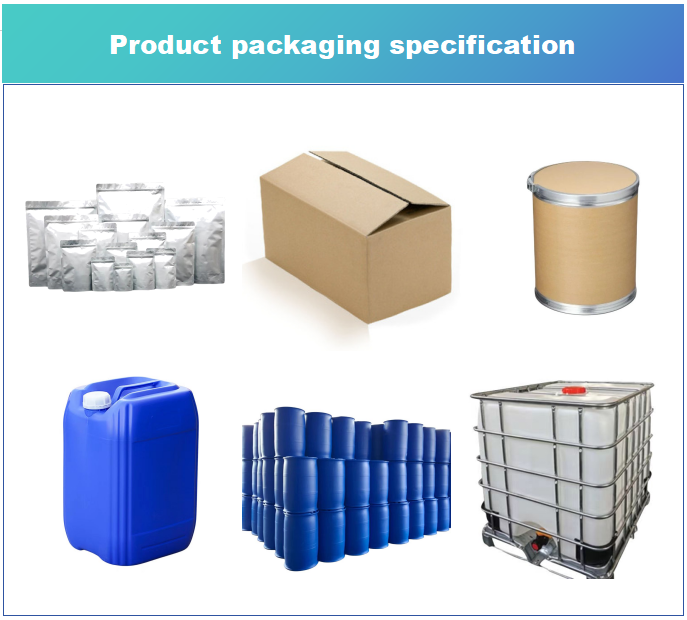
Payment Term
T/T, Western Union, Paypal, Credit Card etc.
Shipment Term
By air, by sea, by express, as customers request.
FAQs of Alumina Ceramic Brick
What are the main uses of alumina ceramic bricks?
Due to their excellent physical and chemical properties, alumina ceramic bricks are mainly used in applications in extreme environments, such as high-temperature furnace linings, wear-resistant linings for chemical equipment, insulators in the electronics industry, and components for medical devices.
What are the benefits of alumina ceramic tiles?
Advantages include, but are not limited to: very high hardness and strength, excellent wear resistance, excellent chemical resistance, good thermal conductivity and electrical insulation, and mechanical properties that remain stable at high temperatures.
How to install alumina ceramic tiles?
Installation requires selecting the appropriate binder or fixing method according to the specific application scenario, and ensuring that the surface is flat and clean. Specialized installation tools and technicians may also be required for some specific applications to ensure proper installation for optimal performance.
How high can alumina ceramic tiles withstand?
Alumina ceramic tiles can withstand very high temperatures and are generally stable up to 1600°C or even higher, but the exact temperature range depends on the product formulation and preparation process.
What are the price factors of alumina ceramic bricks?
The main factors affecting the price include the cost of raw materials, the complexity of the production process, the degree of customization of the product size and shape, and additional services such as technical support. In addition, market supply and demand will also affect the final selling price.