What is Superabsorbent Polymer SAPs?
Superabsorbent Polymer (SAPs) is a functional polymer material with strong water absorption ability. It can absorb and retain large amounts of water or body fluids in a short period of time, and the amount absorbed is usually tens or even hundreds of times its own weight.
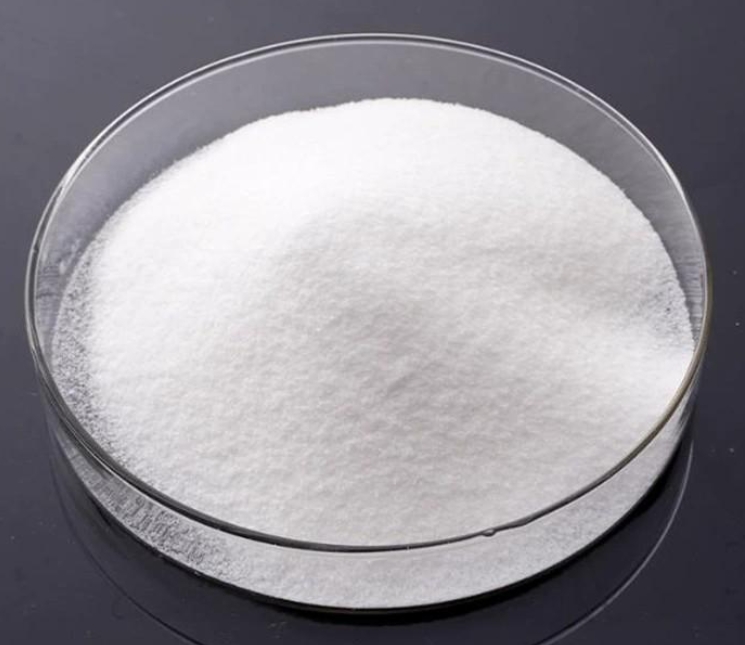 TRUNNANO Superabsorbent Polymer SAPs
Technical Parameter of Superabsorbent Polymer SAPs
| Test Item |
Specifications |
| Mesh ( >80%) |
5-10;10-20;20-60;
60-90;100 mesh, etc |
| Saline absorption times (saline 0.9%, 60 min) g/g |
≥ 53 |
| Water absorption (distilled water, 60 min) g/g |
≥ 400 |
| Water absorption rate (100g deionized water/g) sec |
≤ 40 |
| Pressurized absorption (saline, 0.7 psi) g/g |
≥ 17 |
| PH |
6.0-6.5 |
| Moisture content, % |
≤ 6.0 |
| Density, g/cm3 |
0.6-0.7 |
| Centrifugal saturation (250g) g/g |
≥ 30 |
Characteristics of Superabsorbent Polymer SAPs:
Superabsorbent Polymer SAPs is usually a cross-linked polymer made from acrylic acid and its salts through a polymerization reaction. There are different types depending on the raw material and production process, but most SAP products are based on the structure of sodium polyacrylate. This structure gives SAP a strong ability to absorb and retain water under pressure.
Performance Characteristics:
Ultra-high water absorption: This is one of the most remarkable features of SAP, which is capable of absorbing tens to hundreds of times its own weight in pure water, and in solutions containing electrolytes, the amount of water absorbed is somewhat reduced but still considerable.
Good water retention: even when pressurized, SAP retains the absorbed water, a very important characteristic for many applications.
Excellent gel strength: the hydrogel formed has a certain mechanical strength and will not break easily, which helps to maintain the product's morphological stability.
Chemical Stability: SAP is highly resistant to light, heat and chemicals and is stable over a wide pH range.
Biocompatibility and non-toxicity: Especially some SAPs used in hygiene and personal care products need to meet strict biocompatibility and non-toxicity requirements.
Application of Superabsorbent Polymer SAPs:
Superabsorbent Polymer (SAPs) is used in a wide range of applications due to its unique high water absorption and water retention properties.
1. Healthcare: sanitary napkins, diaper pads, diapers, medical mattresses, absorbent paper, slow-release drugs, creams, water bags and so on.
2. Agriculture and gardening: soil water retention, seed coating, seedling mixing.
3. Water absorbent for food industry, freshness preservative for fruits and vegetables.
4. Industry: water-expanding rubber, water-absorbent anti-fouling coating, anti-condensation coating, anti-static coating, oil field water plugging and oil-water separation, fiber optic cable resisting tape and cable paste.
5. Construction: rapid expansion of water in water conservancy projects, flood dam leakage plugging, water plugging; maintenance of concrete.
Packing & Shipping of Superabsorbent Polymer SAPs:
We have many different kinds of packing which depend on Superabsorbent Polymer SAPs quantity.
Superabsorbent Polymer SAPs packing: In bags or barrels or upon customer's request.
Superabsorbent Polymer SAPs shipping: could be shipped out by sea, by air, or by express as soon as possible once payment receipt.
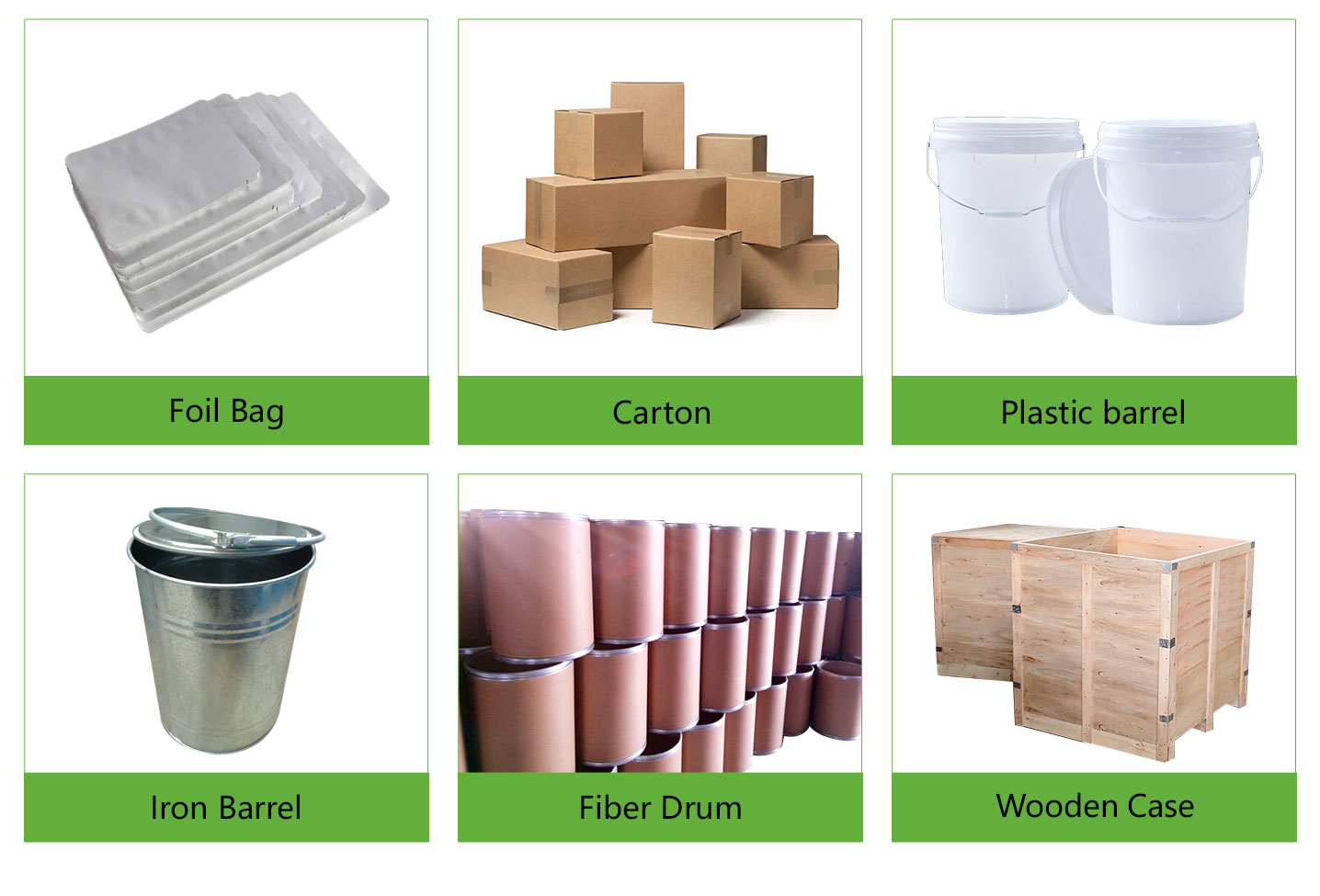 Packing & Shipping of Superabsorbent Polymer SAPs
What is the water absorption capacity of Superabsorbent Polymer SAPs?
The amount of water absorbed varies depending on the type of product and the environment in which it is used. Generally speaking, superabsorbent polymer SAPs can absorb tens to hundreds of times its own weight in deionized water, but in solutions containing electrolytes (such as seawater or urine), the amount of water absorbed is significantly reduced.
How to store Superabsorbent Polymer SAPs properly?
Superabsorbent Polymer SAPs should be stored in a dry, well-ventilated area to avoid direct exposure to humid air. Packaging must be well sealed to prevent moisture absorption from affecting performance. The ideal storage temperature is usually recommended at room temperature.
Is Superabsorbent Polymer SAPs harmful to the environment?
For the most part, superabsorbent polymer SAPs itself is non-toxic and biodegradable, but it degrades slowly. In some applications (e.g. agriculture), it is more environmentally friendly to use biodegradable SAP. However, improper disposal of discarded SAP-containing products can be a burden to the environment.
Can Superabsorbent Polymer SAPs be reused?
Generally speaking, once superabsorbent polymer SAPs has absorbed water to form a gel, it is difficult to release all the water back to its original state, making it unsuitable for reuse. However, in some specific application scenarios (e.g., toy crystal clay), some of the functionality can be temporarily restored by drying, but this is not a recommended practice.
What are the limitations of Superabsorbent Polymer SAPs in practical applications?
The main limitations include: a significant reduction in water absorption capacity in environments with high salt content; the possibility of squeezing out absorbed liquids under high pressure; and a relatively high cost, which limits its application in some areas of low-cost demand.