| Property | Typical Value(s) |
| Appearance | Pale yellow to amber, viscous liquid or waxy solid |
| Odor | Mild, characteristic odor |
| pH (1% solution in water at 25°C) | 5.0 - 7.0 |
| Active Matter (%) | ≥ 98 |
| Density (g/cm³ at 25°C) | 0.95 - 1.05 |
| Solubility | Insoluble in water; soluble in oils and organic solvents |
| HLB Value | 6.7 |
| Acid Value (mg KOH/g) | ≤ 2.0 |
| Saponification Value (mg KOH/g) | 380 - 420 |
| Iodine Value | ≤ 1.0 |
| Flash Point (closed cup, °C) | > 200 |
| Storage Conditions | Store in a cool, dry place away from incompatible materials and direct sunlight. Keep containers tightly closed. |
| Shelf Life (under proper storage conditions) | 2 years |
| Product Name | Short Name | HLB | Melting point | Appearance |
| Sorbitan monopalmitate | N/A | 6.7 | 45-47℃ | White to yellowish waxy solid |



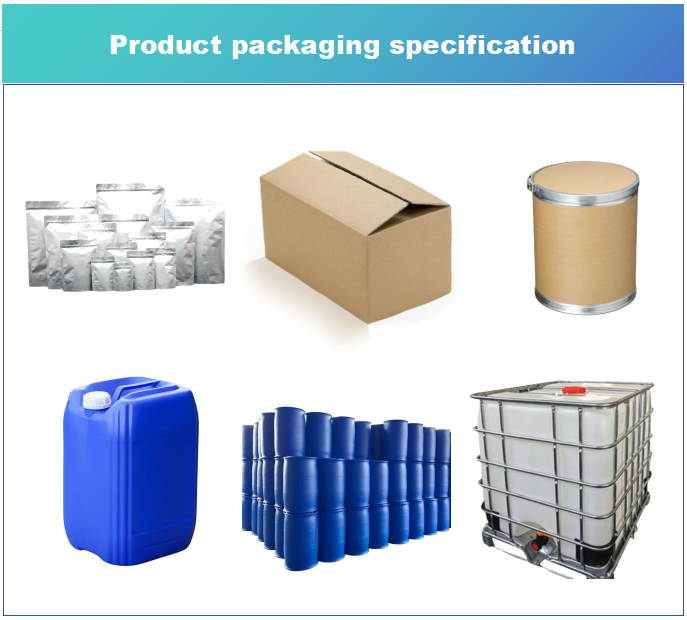
Q1: What is Sorbitan Monopalmitate and what are its primary uses?
Re: Sorbitan Monopalmitate, commonly known as Span 40, is a non-ionic surfactant that functions primarily as an emulsifier. It is widely used in the cosmetics and personal care industry for formulating products like creams, lotions, and makeup. Additionally, it finds application in the food industry as an emulsifying agent in baked goods and confectionery items. In pharmaceuticals, it serves as an excipient to aid in the formulation of various medicines. Its ability to stabilize oil-in-water and water-in-oil emulsions makes it valuable in diverse industrial applications.
Q2: How does Sorbitan Monopalmitate enhance the performance of formulations?
Re: Sorbitan Monopalmitate enhances the performance of formulations by providing excellent emulsifying properties. It helps to create stable mixtures of ingredients that would otherwise be immiscible, such as oils and water. This results in more uniform and consistent products with improved texture and stability over time. In cosmetic formulations, it can improve the spreadability and feel of the product on the skin. Its HLB (Hydrophilic-Lipophilic Balance) value of around 6.7 allows it to be effective in both oil-in-water and water-in-oil emulsion systems, depending on the specific formulation requirements.
Q3: Is Sorbitan Monopalmitate safe for use in consumer products?
Re: Sorbitan Monopalmitate is generally recognized as safe (GRAS) for use in food products by the U.S. Food and Drug Administration (FDA) and has been approved for use in cosmetics and personal care products by various regulatory bodies worldwide. However, it is important to follow proper usage guidelines and conduct appropriate safety testing when formulating new products. The material can be irritating to the skin and eyes, so it should be handled carefully. Always refer to the Material Safety Data Sheet (MSDS) or Technical Data Sheet (TDS) provided by the supplier for detailed safety information and specific handling instructions.
Q4: What safety precautions should be taken when handling Sorbitan Monopalmitate?
Re: When handling Sorbitan Monopalmitate, it is important to wear appropriate personal protective equipment (PPE) such as gloves, safety goggles, and protective clothing to prevent skin and eye contact. Ensure adequate ventilation to avoid inhalation of any vapors or dust, although this risk is minimal given its low volatility. Store the material in a cool, dry place away from incompatible materials and direct sunlight. Keep containers tightly closed to prevent contamination and evaporation. In case of contact with the skin or eyes, rinse thoroughly with water. If ingested, seek medical advice immediately. Always refer to the Material Safety Data Sheet (MSDS) or Technical Data Sheet (TDS) provided by the supplier for detailed safety information and emergency procedures.
| Other Names | Span 40; S - 40; Sorbitan monopalmitate |
|
| CAS No. | 26266-57-9 | |
| Compound Formula | C22H42O6 | |
| Molecular Weight | N/A | |
| Appearance | White to yellowish waxy solid | |
| Melting Point | N/A | |
| Boiling Point | N/A | |
| Density | N/A | |
| Solubility in H2O | N/A | |
| Exact Mass | N/A | |
Sorbitan monopalmitate Health & Safety Information |
||
| Signal Word | N/A | |
| Hazard Statements | N/A | |
| Hazard Codes | N/A | |
| Risk Codes | N/A | |
| Safety Statements | N/A | |
| Transport Information |
|
|