Overview of Sodium Oleate
Sodium oleate, alias sodium octadecenoate, cis-9-octadecenol, oleol, cis-9-octadecenol, (Z) -octadecenol, olive alcohol, cis-9-octadeceno-1-ol, 9-octadecenol, octadecenol.The density of sodium oleate: 0.9 g/cm3; Melting point: 232-235°C(lit.); Boiling point: 359.999 ° C AT 760 mmHg; Flashpoint: 270.099 ° C; Storage condition: -20 ° C.Sodium oleate is an organic oil, chemical formula C17H33Co2Na, which is a white to yellow powder or a light yellowish-brown coarse powder or lump. It has a unique smell and taste. Is sodium oleate toxic? Skin contact is not thought to have harmful health effects. However, the material may still produce health damage following entry through wounds, lesions, or abrasions. Repeated exposure may cause skin cracking, flaking, or drying following normal handling and use.
Sodium oleate is soluble in alcohol and water. Sodium acid is the main component of olive oil and other soaps. It is also the main component of tallow soaps. It can also be made by reacting sodium hydroxide with oleic acid. Hydrophobic and hydrophilic compounds with excellent emulsification, permeability, and detergents, good solubility in hot water, used as anionic surfactants and fabric waterproofing agents.
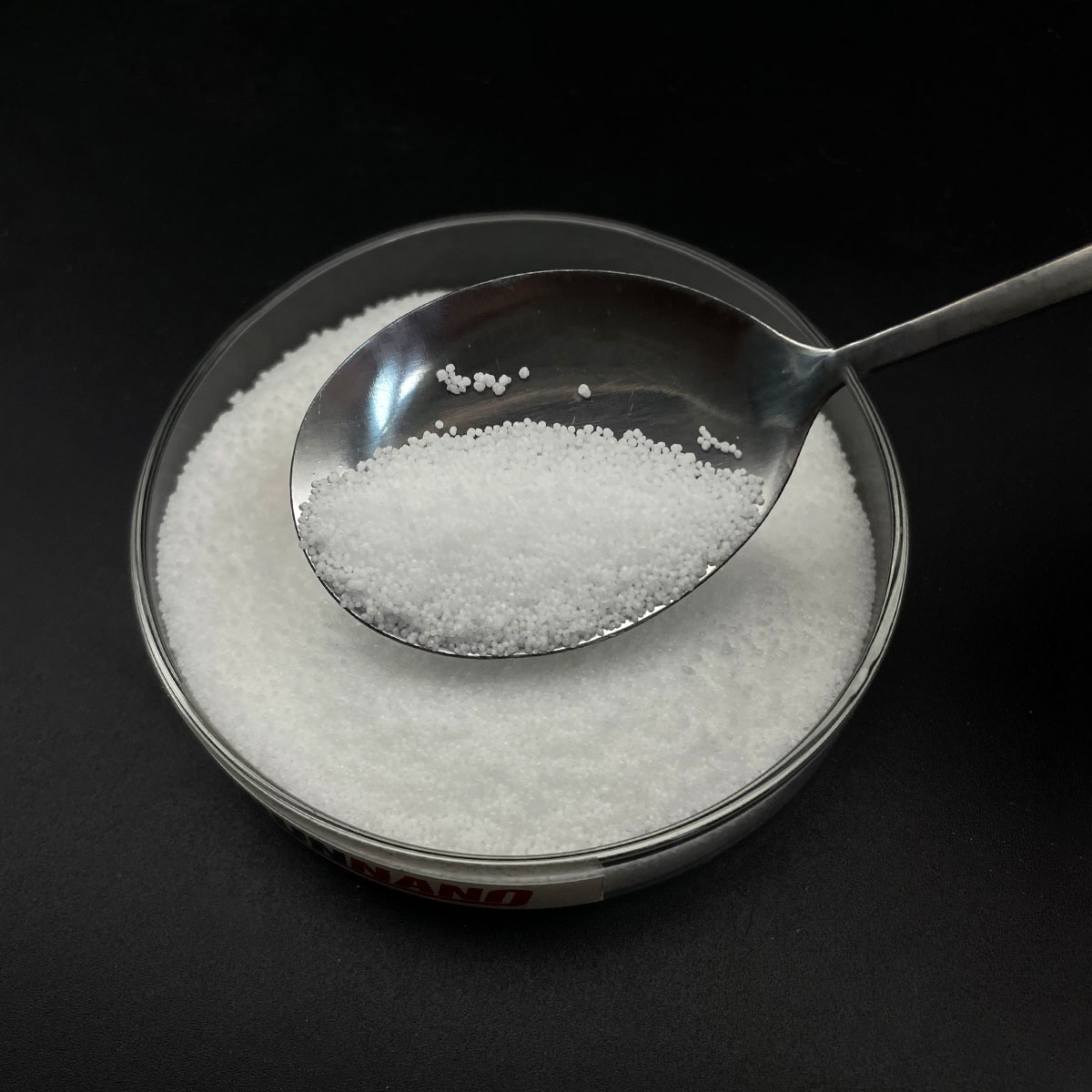
Sodium Oleate
Properties of Sodium Oleate
Melting Point: 232-235 ° C (lit.)
Storage Conditions: -20 ° C
Solubility: Slightly soluble in methanol
Form: Powder
Color: White to slightly yellow
Odor: A faint butter scent
Content (%): ≥99.0%
Loss on Drying (%): ≤5.0%
Acid Value: 195-204
Lodine Value: 80-100
Free Alkali (%): ≤0.5
Water Solubility: Solid H2O, partially composed; Double alcohol Merck14, hydrophilic and oleophilic
Stability: Stable, incompatible with strong oxidants
Performance of Sodium Oleate
Sodium oleate does not disolved in ethanol and is neutral. It is soluble in about 20 times the amount of ethanol, and is almost insoluble in ether, petroleum ether and other organic solvents. It is made by imported oleic acid continuous saponification method and has excellent emulsifying power, penetrating power and detergency.
Why is Sodium Oleate Soluble in Water?
Salts, basic, such as SODIUM OLEATE, are generally soluble in water. The resulting solutions contain moderate concentrations of hydroxide ions and have a pH greater than 7.0. They react as bases to neutralize acids.
Sodium oleate in the air can slowly oxidize coloring, make the color dark, and produce rancids. This is due to the oxidation of oleic acid, which breaks the double bond to form a putrid substance, such as nonaldehyde. The incorporation of highly unsaturated acids promotes decay. Sodium oleate dissolves in 10 times as much water bubbles and forms a viscous liquid. The aqueous solution is alkaline. Due to partial hydrolysis into insoluble acid soap and sodium hydroxide, the liquid becomes opacified. There is no hydrolysis in ethanol, and it is neutral. Dissolved in about 20 times the amount of ethanol. Slightly insoluble in ether, petroleum ether, and other organic solvents.
Sodium oleate reacts with metal ions other than alkali metals to form a precipitate of metal salts.
The general properties of salt can not volatilize. Water can be completely dissociated into ions, add inorganic acid (strong acid), and make the salt hydroxyl acid-free. When the hot soap liquid is cooled, it does not crystallize, and the calcium and magnesium salts contained in the hard water will generate insoluble calcium and magnesium soap precipitation.
Production Methods of Sodium Oleate
Sodium oleate is obtained by neutralizing sodium hydroxide or sodium carbonate in an ethanolic solution of oleic acid.
10g of oleic acid can be dissolved in 100 95% ethanol and then titrated with 0.5mol/L of sodium hydroxide ethanol solution, using phenolphthalein as an indicator. After reaching the equivalence point, the precipitated sodium oleate soap is filtered out. If precipitation is not precipitated, crude products can be obtained after the evaporation of ethanol and water and recrystallized with ethanol-diethyl ether mixed solvent.
Technical Parameter of Sodium Oleate
|
Product Name |
Short Name |
Effective substance content |
PH |
Odor |
Appearance |
|
Sodium oleate |
NA |
98% |
NA |
N/A |
White to off-white powder |
Application of Sodium Oleate
Sodium oleate is one of soap's main ingredients and can be used as an emulsifier. Sodium oleate is used in medicine. It is used in the treatment of cholelithiasis. In various oil-based cosmetics, sodium oleate is used as a cleaning agent, emulsifier, surfactant, thickening or gelling agent, and viscosity control agent. Examples of sodium oleate are as follows:
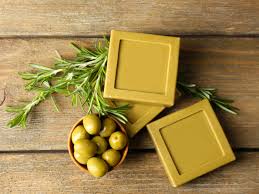
(Application of Sodium Oleate)
1. Main ingredient in soaps made from things like olive oil, as well as tallow soaps.
2. Food coating agent, such as fruit and vegetable surface coating, and can be used with ethylene oxide and high boron fatty alcohol.
3. In neutral or acidic solutions, sodium oleate can be used as a corrosion inhibitor for aluminum and its alloys, iron, copper, and other metals.
4. Anionic surfactant and fabric waterproofing agent.
5. In medicine. It is used in the treatment of cholelithiasis.
6. In various oil-based cosmetics, sodium oleate is used as a cleaning agent, emulsifier, surfactant, thickening or gelling agent, and viscosity control agent.
7. Produce insoluble metallic stearates and industrial lubricants.
8. Water-repellent agent for textiles.
9. Anionic surfactant.
10. Flotation agent for mining.
11. Laboratory reagent in producing chemicals and other oleates.

Application of Sodium Oleate
Company Profile
Luoyang Tongrun Nano Technology Co. Ltd. (TRUNNANO) is a trusted global chemical material supplier & manufacturer with over 12-year-experience in providing super high-quality chemicals and nanomaterials, including boride powder, nitride powder, graphite powder, sulfide powder, 3D printing powder, etc.
The company has a professional technical department and Quality Supervision Department, a well-equipped laboratory, and equipped with advanced testing equipment and after-sales customer service center.
If you are looking for high-quality Sodium Oleate, please feel free to contact us or click on the needed products to send an inquiry.

Company Profile
Packing of Sodium Oleate
1kg/bottle, 25kg/barrel, or 200kg/ barrel.
We have many different kinds of packing which depend on the quantity.
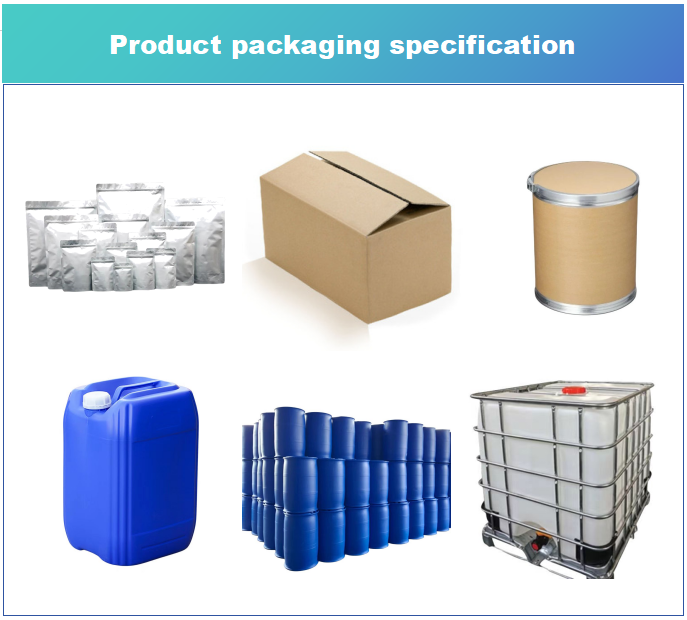
Packing of Sodium Oleate
Payment Methods of Sodium Oleate
L/C, T/T, Western Union, Paypal, Credit Card etc.
Shipment of Sodium Oleate
By sea, by air, by express as soon as possible once payment receipt
FAQs of Sodium oleate
Q: What is the role of sodium oleate in skin care products?
A: In skin care products, sodium oleate acts as a surfactant that cleanses the skin, helping to remove dirt and oil from the skin surface. At the same time, due to its mild nature, it can reduce the damage to the skin barrier during the cleansing process and is suitable for sensitive skin. In addition, sodium oleate also has some moisturising effect, which can help the skin retain moisture.
Q: Is Sodium Oleate safe?
A: Based on current research and application, sodium oleate is considered one of the relatively safe ingredients. It is widely used in personal care products, including baby products. However, for some individuals, the use of products containing sodium oleate may cause mild skin irritation or allergic reactions. Therefore, skin testing is recommended before first use of a new product.
Q: What is the difference between sodium oleate and oleic acid?
A: Oleic acid is an unsaturated fatty acid, while sodium oleate is the sodium salt formed when oleic acid reacts with sodium hydroxide (NaOH). The main difference between the two is the difference in chemical structure leading to different physical properties and uses. Oleic acid is a liquid at room temperature and is mainly used in the food industry and cosmetics, while sodium oleate is a solid and is more commonly used as an emulsifier and detergent.
Q: How can I make a simple sodium oleate solution at home?
A: Although it is theoretically possible to prepare sodium oleate by mixing oleic acid with sodium hydroxide solution, such experiments should be carried out under the guidance of professionals as they involve the handling of strong alkalis and may be dangerous if not handled properly. If you want to try it out of interest, it is recommended to buy the already prepared sodium oleate product, which is both safe and convenient. It is not recommended for non-professionals to try to prepare sodium oleate solution at home by themselves to avoid accidents.
Sodium oleate Properties |
||
| Other Names | N/A | |
| CAS No. | 143-19-1 | |
| Compound Formula | C17H33CO2Na | |
| Molecular Weight | 304.44 | |
| Appearance | White to off-white powder | |
| Melting Point | N/A | |
| Boiling Point | N/A | |
| Density | N/A | |
| Solubility in H2O | N/A | |
| Exact Mass | N/A | |
Sodium oleate Health & Safety Information |
||
| Signal Word | N/A | |
| Hazard Statements | N/A | |
| Hazard Codes | N/A | |
| Risk Codes | N/A | |
| Safety Statements | N/A | |
| Transport Information |
|
|