Product Characteristics Introduction
Sodium Iron Phosphate Composite is a polyanionic sodium-ion battery cathode material with the chemical formula Na4Fe3(PO4)2P2O7. Its crystal structure consists of [P2O7]4- units alternating with [Fe3P2O13]n layers, forming a unique and stable three-dimensional open framework network. This structure provides spacious and continuous transport channels for the reversible extraction/insertion of sodium ions. This product is a sodium-based cathode material utilizing abundant elements like Iron (Fe), Sodium (Na), and Phosphorus (P). It is characterized by high safety, ultra-long cycle life, excellent cost-effectiveness, and outstanding performance across a wide temperature range as its core advantages, making it an ideal choice for applications such as residential energy storage, commercial and industrial energy storage, and large-scale energy storage for renewable sources like wind and solar.
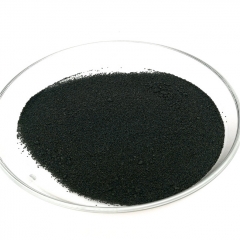
Sodium Iron Phosphate Complex
| Feature Category |
Specific Description |
Advantages |
| Structural Stability |
Undergoes a single-phase solid-solution reaction mechanism during charge/discharge, with minimal volume change (<4%). |
Ultra-long cycle life (laboratory-level material can exceed 6000 cycles, meeting energy storage demands), effectively suppresses electrode pulverization, high structural reversibility. |
| Safety & Thermal Stability |
Strong P-O covalent bonds in the polyanionic framework have high bond energy, high oxygen evolution temperature, excellent thermal stability of the material. |
High safety of the battery system, low risk of thermal runaway, suitable for environments with stringent safety requirements. |
| Electrochemical Performance |
Based on the Fe2+/Fe3+ redox couple, provides a stable voltage plateau around 3.2V. Theoretical specific capacity 129 mAh/g, current optimized product reversible capacity can reach over 105 mAh/g. |
Stable voltage output, energy density meets the needs of various application scenarios. |
| Environmental Adaptability |
Raw materials (Iron, Sodium) are resource-abundant, widely distributed, and low-cost. |
Significant comprehensive cost advantage, eliminates dependence on scarce resources like Lithium and Cobalt, environmentally friendly. |
| Process Compatibility |
Manufacturing process has high compatibility with traditional lithium battery cathode materials (e.g., Lithium Iron Phosphate). |
Can utilize existing production lines for technical transformation, fast industrialization transition, controllable large-scale production costs. |
Key Technical Indicators
| No. |
Name |
Unit |
Standard |
Test Method / Instrument Model |
| Appearance: Black powder, uniform color, no agglomeration |
|
|
|
|
| 1 |
Particle Size Distribution |
|
|
GB/T 19077-2016 |
| |
D10 |
µm |
≤ 2.0 |
|
| |
D50 |
µm |
≤ 6.0 |
|
| |
D90 |
µm |
≤ 12.0 |
|
| |
D99 |
µm |
≤ 20.0 |
|
| 2 |
Loose Density (Bulk Density) |
g/cm³ |
0.58 ± 0.15 |
GB/T 1479-2011 |
| 3 |
Tap Density |
g/cm³ |
1.10 ± 0.15 |
GB/T 5162-2021 |
| 4 |
Compaction Density |
g/cm³ |
1.90 ± 0.15 |
GB/T 24533-2009 |
| 5 |
Specific Surface Area (BET) |
m²/g |
≤ 12.0 |
GB/T 19587-2017 |
| 6 |
pH Value |
- |
≤ 11.3 |
GB/T 9724-2007 |
| 7 |
C (Carbon Content) |
% |
1.80 ± 0.20 |
GB/T 20123-2006 |
| 8 |
Moisture Content |
ppm |
≤ 1000 |
GB/T 6283-2008 |
| 9 |
Magnetic Particles |
ppm |
≤ 1.5 |
GB/T 41704-2022 |
| 10 |
Na (Sodium Content) |
% |
14.50 ± 1.0 |
Agilent ICP 5800 OES |
| 11 |
Fe (Iron Content) |
% |
25.00 ± 2.0 |
Agilent ICP 5800 OES |
| 12 |
P (Phosphorus Content) |
% |
19.00 ± 1.5 |
Agilent ICP 5800 OES |
| Electrochemical Performance (mAh/g, %) |
|
|
|
|
| 13 |
1st Charge Specific Capacity @0.2C |
mAh/g |
≥ 108.0 |
CR2016 Coin Cell Test, Neware Battery Tester |
| 14 |
1st Discharge Specific Capacity @0.2C |
mAh/g |
≥ 95.0 |
CR2016 Coin Cell Test, Neware Battery Tester |
| 15 |
1st Cycle Coulombic Efficiency @0.2C |
% |
≥ 87.00 |
CR2016 Coin Cell Test, Neware Battery Tester |
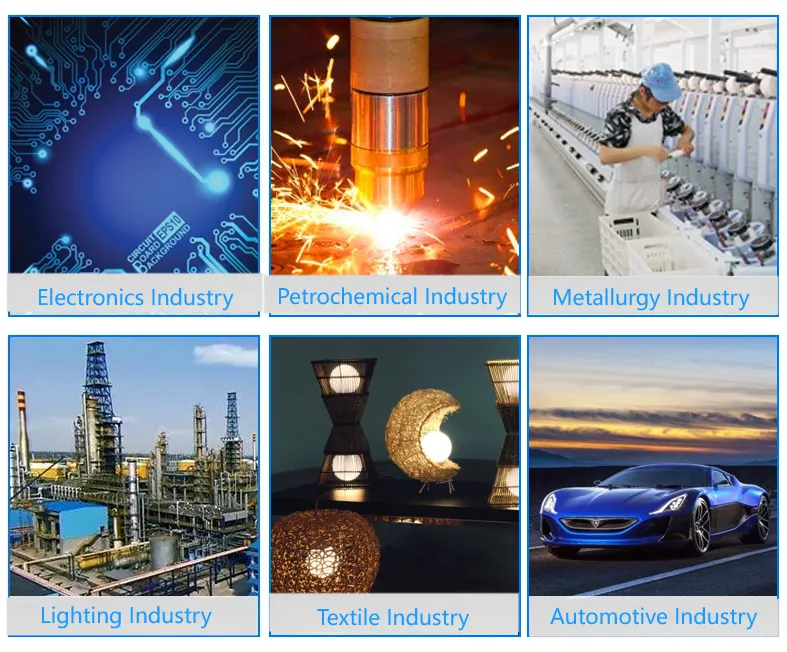 Main Application Fields
Large-Scale Energy Storage Systems: Grid-side energy storage, commercial and industrial energy storage, residential energy storage. Its long lifespan, high safety, and low cost highly align with the core requirements of energy storage scenarios.
Light Electric Vehicles: Electric two-wheelers, three-wheelers, low-speed electric vehicles, and start-stop power supplies. Meets their demands for cost and safety.
Backup Power Sources: UPS (Uninterruptible Power Supplies), communication base station backup power.
Other Fields: Gradual expansion into areas with moderate energy density requirements, such as consumer electronics and power tools.
Main Application Fields
Large-Scale Energy Storage Systems: Grid-side energy storage, commercial and industrial energy storage, residential energy storage. Its long lifespan, high safety, and low cost highly align with the core requirements of energy storage scenarios.
Light Electric Vehicles: Electric two-wheelers, three-wheelers, low-speed electric vehicles, and start-stop power supplies. Meets their demands for cost and safety.
Backup Power Sources: UPS (Uninterruptible Power Supplies), communication base station backup power.
Other Fields: Gradual expansion into areas with moderate energy density requirements, such as consumer electronics and power tools.
 Company Profile
Luoyang Tongrun Nano Technology Co. Ltd. (TRUNNANO) is a trusted global chemical material supplier & manufacturer with over 12 years of experience in providing super high-quality chemicals and Nanomaterials, including boride powder, nitride powder, graphite powder, sulfide powder, 3D printing powder, etc.
If you are looking for high-quality , please feel free to contact us and send an inquiry.
Payment Term:
T/T, Paypal, Western Union, Credit Card etc.
Packaging, Storage & Safety Instructions
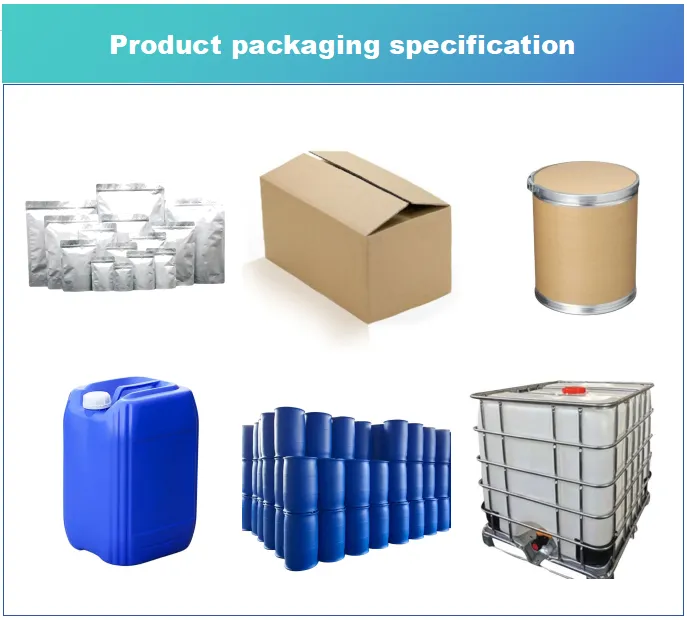
Packaging: Packed in moisture-proof sealed bags, with an inner plastic liner bag and an outer aluminum-plastic composite bag. Specification: 25 kg/drum.
Storage: It is recommended to store in a cool, dry, and well-ventilated indoor environment. Avoid storage together with acids, alkalis, and oxidizing agents. After opening, use as soon as possible. If long-term storage is needed after opening, it is recommended to store sealed under an inert gas (such as argon) atmosphere.
Company Profile
Luoyang Tongrun Nano Technology Co. Ltd. (TRUNNANO) is a trusted global chemical material supplier & manufacturer with over 12 years of experience in providing super high-quality chemicals and Nanomaterials, including boride powder, nitride powder, graphite powder, sulfide powder, 3D printing powder, etc.
If you are looking for high-quality , please feel free to contact us and send an inquiry.
Payment Term:
T/T, Paypal, Western Union, Credit Card etc.
Packaging, Storage & Safety Instructions
Packaging: Packed in moisture-proof sealed bags, with an inner plastic liner bag and an outer aluminum-plastic composite bag. Specification: 25 kg/drum.
Storage: It is recommended to store in a cool, dry, and well-ventilated indoor environment. Avoid storage together with acids, alkalis, and oxidizing agents. After opening, use as soon as possible. If long-term storage is needed after opening, it is recommended to store sealed under an inert gas (such as argon) atmosphere.
 Safety Instructions: This product is a solid powder. Wear necessary protective equipment (e.g., dust mask, gloves) during operation to avoid inhalation or skin contact. Keep away from fire and heat sources.
Spill/Leakage Handling: Avoid raising dust. Collect carefully with a clean shovel into a dry, clean container.
Waste Disposal: Dispose of as industrial solid waste according to local environmental regulations.
5 FAQs of Sodium Iron Phosphate Complex
Q1: What are the main advantages of Sodium Iron Phosphate Complex?
A: It offers exceptional safety, ultra-long cycle life (over 6,000 cycles), and significant cost savings due to its iron- and sodium-based chemistry. Its stable structure ensures high thermal resilience and minimal degradation over time.
Q2: How does it perform in extreme temperatures?
A: The material exhibits excellent high- and low-temperature performance, maintaining stable operation in a wide range of environments, making it suitable for diverse climatic conditions.
Q3: Can this material be produced using existing battery production lines?
A: Yes. Its synthesis process is highly compatible with existing lithium iron phosphate (LFP) production equipment, enabling easy adaptation of current facilities and faster industrialization.
Q4: What is the energy density of batteries made with this material?
A: It delivers a practical reversible capacity of ≥105 mAh/g with a stable voltage platform of ~3.2 V, balancing energy density with superior safety and longevity for applications like energy storage.
Q5: Is this material environmentally friendly?
A: Absolutely. It uses abundant, non-toxic raw materials (iron, sodium, phosphorus), reducing reliance on scarce metals like cobalt and lithium, and supports sustainable energy storage solutions.
Safety Instructions: This product is a solid powder. Wear necessary protective equipment (e.g., dust mask, gloves) during operation to avoid inhalation or skin contact. Keep away from fire and heat sources.
Spill/Leakage Handling: Avoid raising dust. Collect carefully with a clean shovel into a dry, clean container.
Waste Disposal: Dispose of as industrial solid waste according to local environmental regulations.
5 FAQs of Sodium Iron Phosphate Complex
Q1: What are the main advantages of Sodium Iron Phosphate Complex?
A: It offers exceptional safety, ultra-long cycle life (over 6,000 cycles), and significant cost savings due to its iron- and sodium-based chemistry. Its stable structure ensures high thermal resilience and minimal degradation over time.
Q2: How does it perform in extreme temperatures?
A: The material exhibits excellent high- and low-temperature performance, maintaining stable operation in a wide range of environments, making it suitable for diverse climatic conditions.
Q3: Can this material be produced using existing battery production lines?
A: Yes. Its synthesis process is highly compatible with existing lithium iron phosphate (LFP) production equipment, enabling easy adaptation of current facilities and faster industrialization.
Q4: What is the energy density of batteries made with this material?
A: It delivers a practical reversible capacity of ≥105 mAh/g with a stable voltage platform of ~3.2 V, balancing energy density with superior safety and longevity for applications like energy storage.
Q5: Is this material environmentally friendly?
A: Absolutely. It uses abundant, non-toxic raw materials (iron, sodium, phosphorus), reducing reliance on scarce metals like cobalt and lithium, and supports sustainable energy storage solutions.