Introduction of Silicon Carbide Ceramic Foam Filter
Silicon Carbide (SiC) Ceramic Foam Filters are advanced filtration solutions designed for high-temperature and high-performance applications. These filters are engineered to provide superior filtration efficiency, excellent thermal resistance, and chemical stability, making them ideal for molten metal filtration, gas purification, and high-temperature fluid filtration.
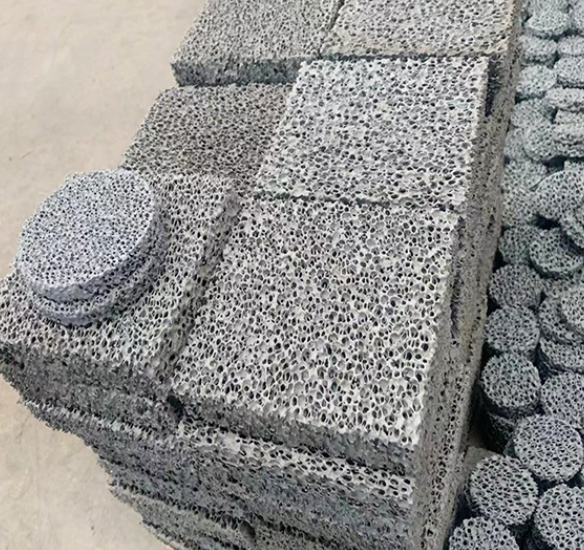
Silicon Carbide Plates
Features of Silicon Carbide Ceramic Foam Filter
- High Filtration Efficiency: Effectively removes inclusions, slag, and impurities from molten metals, gases, or fluids.
- Thermal Stability: Withstands extreme temperatures up to 1,600°C without deformation or degradation.
- Chemical Resistance: Resistant to most acids, alkalis, and molten metals, ensuring durability in harsh environments.
- Lightweight Design: Foam structure reduces weight while maintaining mechanical strength.
- High Porosity: Provides a large surface area for filtration, improving flow rate and efficiency.
- Mechanical Strength: Maintains structural integrity under high flow rates and pressure.
- Thermal Shock Resistance: Withstands rapid temperature changes without cracking or failure.
- Corrosion Resistance: Ideal for use in chemically aggressive environments.
- Biocompatible (High-Purity Grades): Suitable for medical and pharmaceutical applications.
- Customizable Porosity: Available in various pore sizes to meet specific filtration requirements.
Specifications of Silicon Carbide Ceramic Foam Filter
| Parameter |
Value/Range |
| Material |
Silicon Carbide (SiC) |
| Pore Size |
10–100 PPI (pores per inch) |
| Density |
0.3–0.6 g/cm³ |
| Porosity |
80–95% |
| Thermal Conductivity |
120–150 W/m·K |
| Operating Temperature |
Up to 1,600°C (continuous) |
| Thermal Expansion Coefficient |
4.0×10⁻⁶/K (25–1,400°C) |
| Chemical Resistance |
Excellent to acids and alkalis |
| Mechanical Strength |
High compressive and tensile strength |
| Surface Finish |
Customizable (smooth, textured) |
| Purity Level |
98–99.9% (high-purity grades) |

Applications of Silicon Carbide Plates
- Molten Metal Filtration: Removes impurities such as slag, dross, and inclusions from aluminum, copper, and steel melts.
- Gas Filtration: Filters high-temperature gases in industrial furnaces, kilns, and exhaust systems.
- Fluid Filtration: Used in high-temperature liquid filtration processes in chemical, petrochemical, and food industries.
- Investment Casting: Ensures high-purity molten metal for aerospace and medical-grade components.
- Ceramic and Glass Manufacturing: Filters molten glass and ceramic slurries for improved product quality.
- Aerospace and Defense: Supports filtration in high-performance engines and gas turbines.
- Semiconductor Manufacturing: Provides ultra-pure environments by filtering gases and liquids in cleanrooms.
- Environmental Protection: Filters hazardous particles from industrial emissions and wastewater.
- Oil and Gas Industry: Removes impurities from high-temperature fluids in drilling and refining processes.
- Water Treatment: Filters hot water and steam in industrial and power generation systems.

The product is in powder form and should be stored in a cool, ventilated place. Avoid inhalation when using it and keep away from open flames, heat sources, etc.
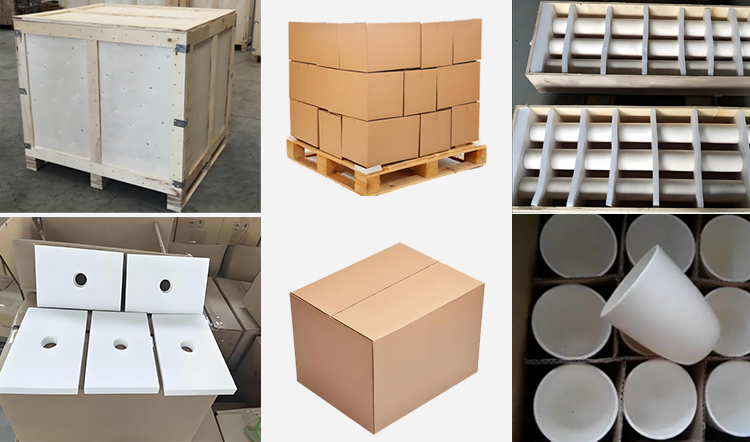
Packing and Storage
Luoyang Tongrun Nano Technology Co. Ltd. (TRUNNANO) is a trusted global chemical material supplier & manufacturer with over 12-year-experience in providing super high-qualitychemicals andnanomaterials, includingboride powder, nitride powder, graphite powder, sulfide powder, 3D printing powder, etc.
The company has a professional technical department and Quality Supervision Department, a well-equipped laboratory, and equipped with advanced testing equipment and after-sales customer service center.
If you are looking for high-quality Silicon Carbide Ceramic Foam Filter please feel free to contact usor click on the needed productstosend an inquiry.

Company Profile
T/T, Western Union, Paypal, Credit Card etc.
ShipmentTerm
By air, by sea, by express, as customers request.
FAQs of Silicon Carbide Ceramic Foam FilterQ1: How does
Q1: What makes Silicon Carbide Ceramic Foam Filters suitable for molten metal filtration?
Re: Silicon Carbide Ceramic Foam Filters are ideal for molten metal filtration due to their high thermal resistance, chemical stability, and high porosity. They can withstand extreme temperatures while effectively capturing inclusions and impurities, ensuring high-purity molten metal for casting processes. Their lightweight structure also reduces handling complexity.
Q2: How does SiC ceramic foam perform under high-temperature environments?
Re: Silicon Carbide ceramic foam exhibits excellent thermal stability, maintaining its structural integrity up to 1,600°C. Its low thermal expansion coefficient minimizes the risk of cracking or deformation under rapid temperature changes or thermal shock, making it reliable for high-temperature industrial applications like furnaces and reactors.
Q3: Can Silicon Carbide Ceramic Foam Filters be cleaned and reused?
Re: Yes, SiC ceramic foam filters can often be cleaned and reused in certain applications. Cleaning methods like ultrasonic cleaning, water jetting, or acid treatment can remove surface deposits. However, reuse depends on the application and the extent of clogging or wear during service.
Q4: What industries benefit from Silicon Carbide Ceramic Foam Filters?
Re: Key industries include metallurgy, aerospace, automotive, semiconductor manufacturing, chemical processing, glass and ceramics, and environmental protection. These industries rely on SiC filters for molten metal purification, gas filtration, and high-temperature fluid processing, ensuring product quality and operational efficiency in demanding conditions.
Q5: Are Silicon Carbide Ceramic Foam Filters customizable for specific applications?
Re: Absolutely. SiC ceramic foam filters can be customized in pore size, thickness, shape, and purity to meet specific process requirements. For example, smaller pore sizes can capture finer impurities, while custom shapes may optimize flow paths for particular industrial setups. Customization ensures maximum performance and efficiency in diverse applications.