About magnetic beads:
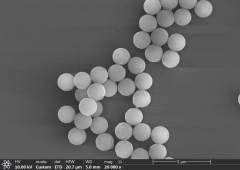
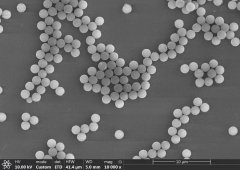
Magnetic beads is a special class of nano-micron materials. Magnetic beads with a specification of 2ml/10ml/50ml/500ml/1L, silicon-based magnetic beads with an average particle size of 600nm, good suspension performance, and large adsorption capacity. Mainly suitable for serum free fragment extraction, sequencing product purification, PCR product purification, fragment sorting, as well as the separation and purification of viral DNA/RNA and small fragment DNA/RNA, especially suitable for customers who require good magnetic bead suspension and large adsorption capacity. At 20ng/ μ Taking DNA as an example, the recovery rate of magnetic beads is about 90%.
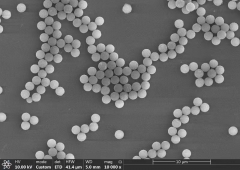
Silicon-based Magnetic Beads
Tongrun Magnetic beads advantages:
1. High adsorption rate: The maximum recovery rate is over 90%.
2. Magnetic strength: The magnetic saturation strength is ≥ 50 emu/g.
3. Stable process: Strict control over procurement and production processes, stable and no differences between batches of magnetic beads.
4. Easy to operate: suitable for nucleic acid automatic extractors and fully automated workstations, achieving one click automated extraction.
5. High safety: The extraction process does not require the use of toxic reagents such as phenols/chloroform, making it safe and non-toxic.
Technical data of Magnetic beads:
| NO. | Model | Name | Group | Particle size | Solid content | Specification | Application |
| 1 | 160011 | Silicon based magnetic beads | Si-OH | 800nm | 50mg/mL | 2mL/10mL/50mL/500mL/1000mL | Virus nucleic acid extraction and serum free fragment extraction |
| 2 | 160012 | Carboxyl magnetic beads | COOH | 800nm | 50mg/mL | 2mL/10mL/50mL/500mL/1000mL | Total RNA extraction, nucleic acid extraction, chemiluminescence, protein purification |
| 3 | 160013 | Silicon based magnetic beads | Si-OH | 1.2µm | 50mg/mL | 2mL/10mL/50mL/500mL/1000mL | Genomic DNA extraction, DNA/RNA co extraction, nucleic acid extraction, viral nucleic acid extraction, serum free fragment extraction |
| 4 | 160014 | Silicon based magnetic beads | Si-OH | 2µm | 100mg/mL | 2mL/10mL/50mL/500mL/1000mL | Genomic DNA extraction, nucleic acid extraction |
| 5 | 160015 | Carboxyl magnetic beads | COOH | 2µm | 100mg/mL | 2mL/10mL/50mL/500mL/1000mL | Total RNA extraction, nucleic acid extraction, chemiluminescence, protein purification |
| 6 | 160017 | Silicon based magnetic beads | Si-OH | 2µm | 100mg/mL | 2mL/10mL/50mL/500mL/1000mL | Genomic DNA extraction, nucleic acid extraction |
| 7 | 160024 | Silicon based magnetic beads | Si-OH | 1.4µm | 100mg/mL | 2mL/10mL/50mL/500mL/1000mL | Genomic DNA extraction, DNA/RNA co extraction, total RNA extraction, nucleic acid extraction, viral nucleic acid extraction, serum free fragment extraction |
| 8 | 160025 | Silicon based magnetic beads | Si-OH | 800nm | 50mg/mL | 2mL/10mL/50mL/500mL/1000mL | Amplification with magnetic beads |
| 9 | 220011 | Silicon based magnetic beads | Si-OH | 500nm | 50mg/mL | 2mL/10mL/50mL/500mL/1000mL | Serum free fragment extraction, sequencing product purification, PCR product purification, fragment sorting |
| 10 | 220012 | Silicon based magnetic beads | Si-OH | 400nm | 25mg/mL | 2mL/10mL/50mL/500mL/1000mL | Purification of sequencing products, purification of PCR products, fragment sorting, amplification with magnetic beads |
| 11 | 220013 | Silicon based magnetic beads | Si-OH | 400nm | 10mg/mL | 2mL/10mL/50mL/500mL/1000mL | Purification of sequencing products, purification of PCR products, fragment sorting, amplification with magnetic beads |
| 12 | 220015 | Silicon based magnetic beads | Si-OH | 300nm | 10mg/mL | 2mL/10mL/50mL/500mL/1000mL | Purification of sequencing products, purification of PCR products, amplification with magnetic beads |
| 13 | 220021 | Carboxyl magnetic beads | COOH | 500nm | 50mg/mL | 2mL/10mL/50mL/500mL/1000mL | Fragment sorting, chemiluminescence, protein purification |
| 14 | 220022 | Carboxyl magnetic beads | COOH | 400nm | 25mg/mL | 2mL/10mL/50mL/500mL/1000mL | Fragment sorting, chemiluminescence, protein purification |
| 15 | 220023 | Carboxyl magnetic beads | COOH | 400nm | 10mg/mL | 2mL/10mL/50mL/500mL/1000mL | Fragment sorting, chemiluminescence, protein purification |
| 16 | 220025 | Carboxyl magnetic beads | COOH | 300nm | 10mg/mL | 2mL/10mL/50mL/500mL/1000mL | Fragment sorting, chemiluminescence, protein purification |
If you are looking for high-quality Magnetic Beads, please feel free to contact us and send an inquiry.
Packing of Silicon-based Magnetic Beads
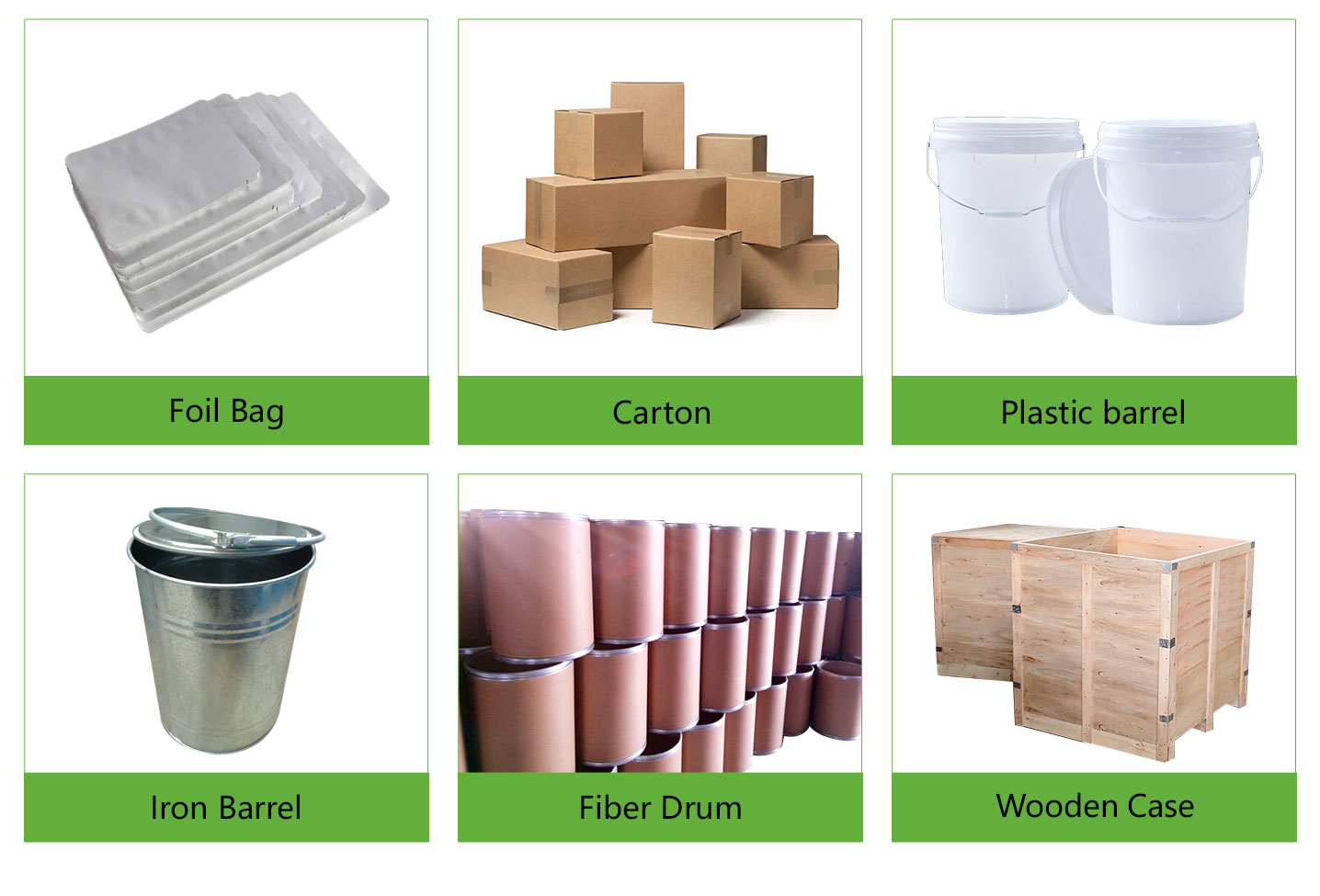
Packing of Silicon-based Magnetic Beads
FAQs of Silicon-based Magnetic Beads
Q: What are silicon-based magnetic beads used for?
A: Silicon-based magnetic beads are utilized in a wide array of applications due to their unique combination of properties. These beads can be employed in biotechnology and medical diagnostics, where they serve as carriers for molecular probes or targets in assays. In research, they facilitate the separation and purification of cells, proteins, nucleic acids, and other biomolecules through magnetic separation techniques. Additionally, these beads find utility in catalysis, data storage media, and within the cosmetics industry for novel formulations that benefit from magnetic properties.
Q: Are silicon-based magnetic beads harmful to humans?
A: The safety profile of silicon-based magnetic beads depends on their specific composition, size, surface chemistry, and intended use. When manufactured according to established guidelines and used properly, they pose minimal risk to human health. However, any particulate material has the potential to cause irritation if it comes into contact with the eyes or is inhaled. It's important to follow manufacturer instructions and handle them in well-ventilated areas. If there's direct skin contact, thorough washing should be performed. For detailed safety information, always refer to the product's Safety Data Sheet (SDS).
Q: What is the structure of silicon-based magnetic beads?
A: Silicon-based magnetic beads consist of a core-shell architecture. The core typically comprises magnetic materials such as iron oxides which provide the magnetic responsiveness necessary for various applications. This core is encapsulated by a silicon layer that can confer stability, biocompatibility, and functional groups for further modification. The silicon shell also serves to protect the magnetic core from environmental factors that could lead to degradation or oxidation. The surface of the beads can be modified with different ligands or coatings depending on the intended application, enhancing their specificity and efficiency.
Q: Can silicon-based magnetic beads be used in personal care products?
A: Silicon-based magnetic beads can be included in personal care products, but this requires careful consideration of both regulatory requirements and safety standards. These beads must be formulated to ensure they do not pose any risk of toxicity, irritation, or sensitization when applied topically. Moreover, they should comply with all relevant cosmetic regulations and guidelines set forth by governing bodies. Manufacturers must adhere to strict quality control measures during production to guarantee the safety and efficacy of the final product. When used appropriately, silicon-based magnetic beads can offer innovative benefits in skincare, such as targeted delivery systems or enhanced texture in cosmetic formulations.
Q: How do silicon-based magnetic beads interact with biological materials?
A: Silicon-based magnetic beads are designed to have good biocompatibility, which means they can interact with biological materials without causing adverse reactions. Their surfaces can be functionalized with molecules that specifically bind to target analytes, such as antibodies, antigens, or nucleic acids, making them highly effective for bioseparation and analysis tasks. Due to their magnetic properties, once bound to the target, these beads can be easily manipulated using external magnetic fields, allowing for efficient isolation and concentration of the desired biomaterials. This characteristic makes them invaluable tools in life science research and clinical diagnostics.
Q: Do silicon-based magnetic beads degrade over time?
A: The durability of silicon-based magnetic beads varies based on their construction and the environments they are exposed to. Typically, they are engineered to be stable under a range of conditions, including pH levels and temperatures encountered in most biological assays. However, prolonged exposure to harsh chemicals or extreme conditions might affect their integrity. To maintain performance, it is recommended to store them according to the manufacturer's specifications and handle them with care to avoid physical damage. Regular assessment of bead performance can help ensure consistent results in applications that rely on their magnetic properties and chemical stability.