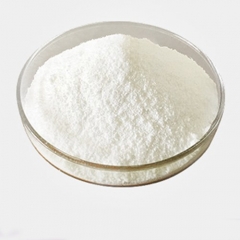
About MMBZ 2-Mercaptomethylbenzimidazole Zinc:
MMBZ 2-Mercaptomethylbenzimidazole Zinc is white to light yellow powder, insoluble in water, soluble in acetone, ethanol, benzene, toluene and ether.
TRUNNANO is a trusted global MMBZ 2-Mercaptomethylbenzimidazole Zinc. Feel free to send an inquiry to get the latest price of MMBZ 2-Mercaptomethylbenzimidazole Zinc if you would like to buy MMBZ 2-Mercaptomethylbenzimidazole Zinc in bulk.
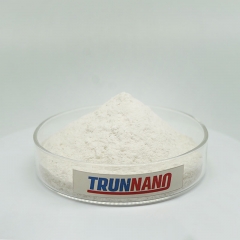
MMBZ 2-Mercaptomethylbenzimidazole Zinc
Product Performance of MMBZ 2-Mercaptomethylbenzimidazole Zinc:
MMBZ 2-Mercaptomethylbenzimidazole Zinc belongs to 2-mercaptobenzimidazole anti-aging agent and is a secondary anti-aging agent for rubber.
Technical Parameter of MMBZ 2-Mercaptomethylbenzimidazole Zinc:
|
Product Name |
Short Name |
Melting Point |
Zn Content |
Molecular Weight |
Appearance |
|---|---|---|---|---|---|
|
2-Mercaptomethylbenzimidazole Zinc |
MMBZ |
≥270℃ |
15-22% |
391.80 |
white to light yellow powder |
Applications of MMBZ 2-Mercaptomethylbenzimidazole Zinc:
Tire manufacturing: The antioxidant ZMTI is one of the most commonly used antioxidants in tire manufacturing. It can improve the aging resistance of the tire and prevent the tire from cracking and cracking during use. At the same time, the antioxidant ZMTI can also enhance the wear resistance of the tire and improve the service life of the tire.
Rubber tube manufacturing: Antioxidant ZMTI can significantly improve the aging resistance of rubber tubes in the manufacture of rubber tubes. It can prevent the rubber tube from cracking, embrittlement, and other phenomena during use and can also enhance the elasticity and pressure resistance of the rubber tube.
Rubber shoe manufacturing: The antioxidant ZMTI can also improve the aging resistance and wear resistance of the sole in the manufacture of rubber shoes. It can prevent the sole from cracking, deformation, and other phenomena during use and can also enhance the elasticity and comfort of the sole.
Rubber glove manufacturing: The antioxidant ZMTI in the manufacture of rubber gloves can improve the aging resistance and softness of gloves. It can prevent the phenomenon of cracking and hardening in the use of gloves and can also make gloves more soft and comfortable, improve the use experience.
Auto parts manufacturing: Antioxidant ZMTI can enhance the weather resistance and stability of rubber parts in auto parts manufacturing. It can prevent the phenomenon of cracking and aging of auto parts in the process of use and extend the service life of parts.
Aerospace manufacturing: In the aerospace sector, antioxidant ZMTI is widely used in the manufacture of aircraft tires, landing devices, rubber seals, and other key components. It can improve the high and low-temperature resistance of rubber parts, prevent cracking and aging, and ensure the safety and reliability of aircraft.
Construction industry: In the construction sector, the antioxidant ZMTI can be used to manufacture waterproof materials, seals, expansion joints, and other key parts. It can improve the weather resistance and anti-aging properties of rubber products and ensure the waterproofing and stability of the building.
Electronics industry: In the electronics industry, antioxidant ZMTI can be used to manufacture key parts such as protective covers and insulation layers for electronic components and circuit boards. It can improve the high-temperature and low-temperature resistance of rubber products, prevent cracking and aging, and ensure the stability and safety of electronic equipment.
Medical field: In the medical field, antioxidant ZMTI can be used to manufacture medical rubber products, such as gloves, protective clothing, medical equipment, etc. It can improve the aging resistance and non-toxicity of medical rubber products and ensure the safety and reliability of medical supplies.
Agricultural field: In the agricultural field, antioxidant ZMTI can be used to manufacture agricultural rubber products, such as waterproof shoes, gloves, raincoats, and so on. It can improve the aging resistance and softness of rubber products and ensure that farmers work normally under bad weather conditions.
Packing & Shipping of MMBZ 2-Mercaptomethylbenzimidazole Zinc:
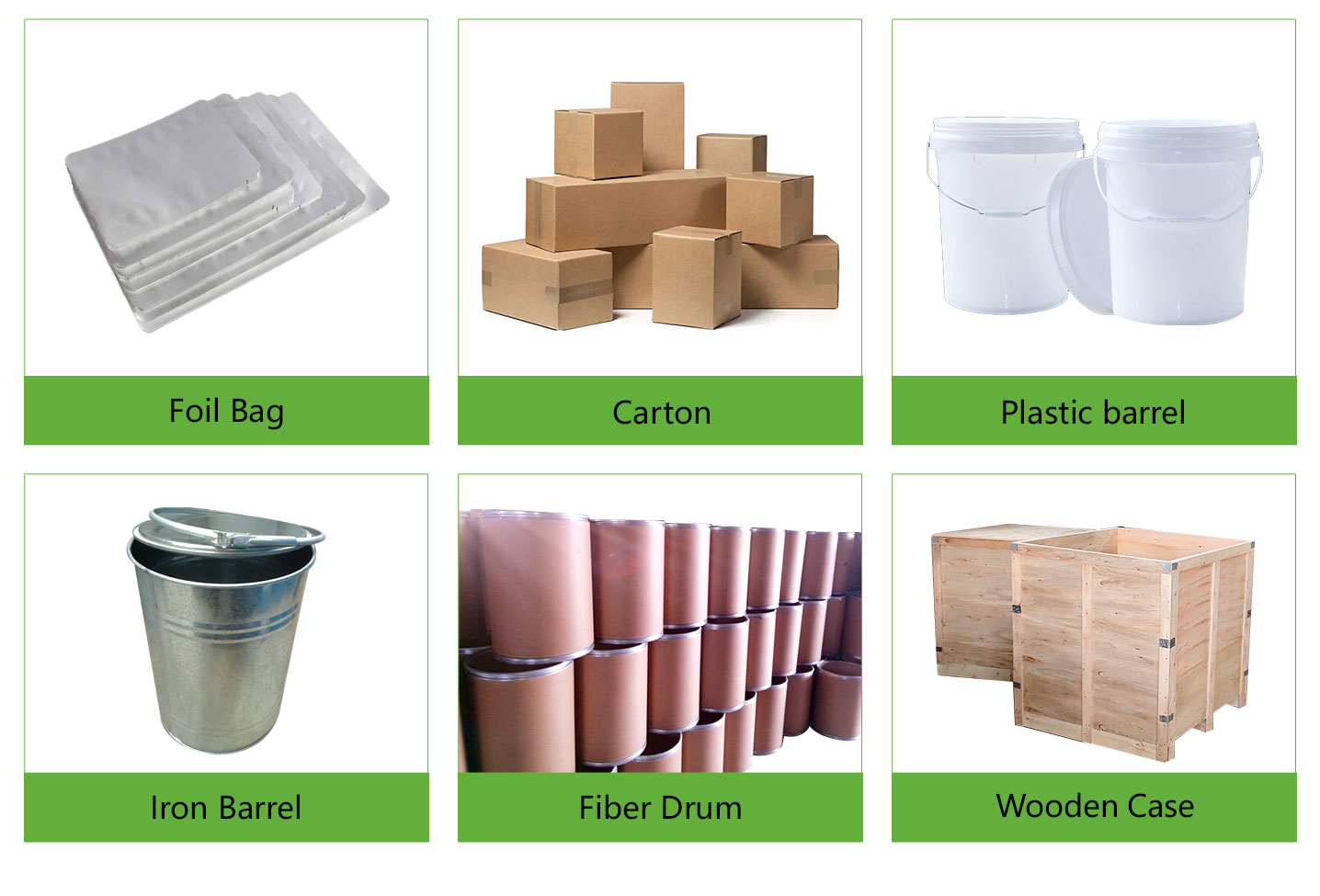
We have many different kinds of packing which depend on MMBZ 2-Mercaptomethylbenzimidazole Zinc quantity.
MMBZ 2-Mercaptomethylbenzimidazole Zinc packing: 20kg/bag, then put on pallet.
MMBZ 2-Mercaptomethylbenzimidazole Zinc shipping: could be shipped out by sea, by air, by express as soon as possible once payment receipt.
Luoyang Tongrun Nano Technology Co. Ltd. (TRUNNANO) is a trusted global chemical material supplier & manufacturer with over 12-year-experience in providing super high-quality chemicals and Nanomaterials, including boride powder, nitride powder, graphite powder, sulfide powder, 3D printing powder, etc. If you are looking for high-quality MMBZ 2-Mercaptomethylbenzimidazole Zinc, please feel free to contact us and send an inquiry.
FAQs of MMBZ 2-Mercaptomethylbenzimidazole Zinc:
Q: What are the main types of rubber antioxidants? How do they work differently?
A: Rubber antioxidants can be classified into the following categories according to their chemical structure and mechanism of action: Amine antioxidants: such as p-phenylenediamine derivatives, which have strong antioxidant effects and are especially suitable for dynamic applications under high temperature conditions. They can effectively inhibit the chain reaction triggered by free radicals, and some varieties can also provide a certain degree of protection against ozone erosion. Phenolic antioxidants: These include hindered phenols and their derivatives, which are relatively stable and show excellent long-term anti-aging properties under static conditions. They prevent the oxidation process mainly by reacting with peroxides to form stable compounds. Thioester antioxidants: e.g. dioctadecyl thiopropionate, which are able to absorb and decompose hydrogen peroxide and other reactive oxygen species, thus reducing the damage to rubber macromolecules. In addition, certain thioesters can improve processing flow. Complex antioxidants: A combination of two or more single ingredients designed to combine their respective advantages to achieve a more comprehensive protective effect. For example, amines and phenols can be combined to provide both transient high stress and long-lasting maintenance.
Q: What should I pay attention to when using rubber antioxidants to ensure the best results?
A: In order to give full play to the function of rubber antioxidants and ensure product quality, the following points should be noted during use: Correct selection of type: According to different types of rubber substrates and specific application scenarios (e.g. temperature range, working environment, etc.), select the most suitable antioxidant type and formula. Precise dosing: add in strict accordance with the recommended proportion, too much may cause negative effects (e.g. affecting the vulcanization speed or the appearance of the finished product), while too little will not achieve the desired level of protection. Homogeneous dispersion: Ensure that the antioxidant is well mixed throughout the compounding process to avoid localized areas of excessive concentration or inefficiency. Match with other additives: Consider the synergistic effect with other additives (e.g. antioxidants, accelerators, etc.) to optimize the overall formulation design and improve the comprehensive performance. Storage conditions: Store unused antioxidants properly and avoid exposure to moisture, high temperature or strong light, which may reduce activity or cause deterioration.
Q: What is the impact of rubber antioxidants on the environment and health? What safety measures should be taken when using them?
A: Rubber antioxidants themselves are generally considered to be low-toxicity chemicals, but certain safety guidelines still need to be followed to safeguard personnel health and environmental protection during manufacture and use:
Personal Protection: Wear appropriate Personal Protective Equipment (PPE) such as gloves, goggles and masks when handling antioxidants in powder or liquid form to prevent skin contact or inhalation of dust/vapors.
Good Ventilation: Ensure that the operating area is adequately ventilated to avoid inhalation of volatile gases that may be generated, especially when working in confined spaces. Waste Disposal: Dispose of antioxidants and their packaging materials in accordance with local regulations and do not dispose of them in the environment to prevent contamination of soil and water. Ecological impacts: Although most antioxidants will gradually degrade in the natural environment, there is a need to be concerned about their potential long-term ecological effects, especially the possibility of accumulation in aquatic ecosystems. Compliance: Strictly comply with relevant laws, regulations and technical standards to ensure legal and compliant production and use of the product, especially for export products to meet the specific requirements of the importing country.
Q: How to choose the rubber antioxidant type and supplier suitable for a particular project?
A: Choosing the most suitable rubber antioxidant type and reliable supplier for the project needs is a key step to ensure product quality and cost-effectiveness: Understanding the requirements: Firstly, identify the type of rubber required for the project, performance requirements (e.g. heat resistance, abrasion resistance, etc.), and construction conditions (e.g. climate, transportation distance, etc.). Comparison of Technical Parameters: Compare the technical specifications of different types of antioxidants, such as anti-oxidant efficacy, applicable temperature range, color stability, etc., and select the product that best meets the project requirements. Sample testing: Request samples from potential suppliers and conduct preliminary tests in the laboratory or small-scale trials to assess whether their actual performance meets expectations. Supplier Reputation: Examine the supplier's historical performance, customer evaluation and level of technical support, and prioritize those with rich experience and good reputation. Price and supply stability: Consider the market price of the product, the volume discount policy and the reliability of long-term supply to find the most cost-effective partner. Certification and compliance: Ensure that the selected products comply with relevant international standards and regulatory requirements, such as REACH, RoHS, etc., in order to cope with the increasingly stringent market access conditions. In addition, confirm that the supplier has the necessary manufacturing qualifications and quality management system certifications.
MMBZ 2-Mercaptomethylbenzimidazole Zinc Properties |
||
| Other Names | MMBA | |
| CAS No. | 61617-00-3 | |
| Compound Formula | N/A | |
| Molecular Weight | 391.80 | |
| Appearance | White to light yellow powder | |
| Melting Point | 270℃ | |
| Boiling Point | N/A | |
| Density | N/A | |
| Solubility in H2O | No | |
| Exact Mass | N/A | |
MMBZ 2-Mercaptomethylbenzimidazole Zinc Health & Safety Information |
||
| Signal Word | N/A | |
| Hazard Statements | N/A | |
| Hazard Codes | N/A | |
| Risk Codes | N/A | |
| Safety Statements | N/A | |
| Transport Information |
|
|