Overview of Polyethylene-polypropylene Glycol
Polyethylene-polypropylene glycol is usually of the following types: molecular weight 950 (No. 3), 1200 (No. 4), 1450 (No. 5), 1750 (No. 6), 2050 (No. 7), 2250 (No. 8), 2750 (No. 9), 3250 (No. 10). The proportion of the partial molecular weight of hydrophilic agglomerated ethylene oxide to total molecular weight is usually 10%-80%. With different molecular weights, the product can be divided into liquid (L), semi-solid (P), and sheet (F). Therefore, the meaning of L61 is: the molecular mass fraction of polyoxypropylene group is 1750, the proportion of polyoxyethylene in the molecule is 10%, and the product is liquid.
Specifications table of Polyethylene-polypropylene Glycol
| Property |
Typical Value(s) |
| Appearance |
Clear, colorless to light yellow liquid |
| Odor |
Slight, characteristic odor |
| pH (1% solution in water at 25°C) |
5.0 - 7.0 |
| Molecular Weight (g/mol) |
1000 - 8000 |
| Density (g/cm³ at 25°C) |
1.00 - 1.10 |
| Viscosity (cP at 25°C) |
20 - 1000 |
| Water Solubility (at 25°C) |
Soluble |
| Cloud Point (1% in water, °C) |
30 - 70 |
| Flash Point (°C, closed cup) |
> 100 |
| Pour Point (°C) |
-20 to -40 |
| Hydroxyl Value (mg KOH/g) |
20 - 200 |
| Storage Conditions |
Store in a cool, dry place away from incompatible materials. Avoid exposure to heat and direct sunlight. |
| Shelf Life (under proper storage conditions) |
2 years |
| Property |
Typical Value(s) |
| Appearance |
Clear, colorless to light yellow liquid |
Product Performance of Polyethylene-polypropylene Glycol
As low foam detergent or defoamer, L61, L64, F68 for preparation of low foam, high detergents, L61 in papermaking or fermentation industry used as a defoamer. Polyether is an effective wetting agent and can be used in an acid bath for dyeing, photographic development and electroplating of fabrics. Polyether was used as a dispersant in emulsion coating and F68 was used as an emulsifier in vinyl acetate emulsion polymerization. L62 and L64 can be used as emulsifiers for agricultural preparations, coolant and lubricant in metal cutting and grinding;
Polyether can be used as a demulsifier for crude oil, L64 and F68 can effectively prevent the formation of hard scale in oil pipeline, and be used for secondary oil recovery. Polyether can be used as a papermaking assistant, F68 can effectively improve the quality of the coated paper.
Chemical Properties of Polyethylene-polypropylene Glycol
Density: 1.095 g/mL at 25 °C
Melting point: 60-50℃
Boiling point: >200 °C(lit.)
Flash point: >230 °F
Water solubility: Miscible with water.
Vapor pressure: <0.3 mm Hg (20 °C)
Vapor density: >1 (vs air)
Refractive index: n20/D 1.466
PH value: 5.0-7.5 (100g/L in H2O)
Storage conditions: 2-8°C
Appearance: Colorless to yellow transparent liquid
Color: colorless to yellow transparent
Application of Polyethylene-polypropylene Glycol
Polyethylene-polypropylene Glycol is a polymer, usually composed of a copolymer of ethylene and propylene. It has excellent chemical resistance. It is resistant to most acids, alkalis and salts and can therefore be used in many harsh environments. In addition, it is very weather and UV resistant and can be used outdoors for many years without damage. This polymer has many unique properties that make it widely used in many fields.
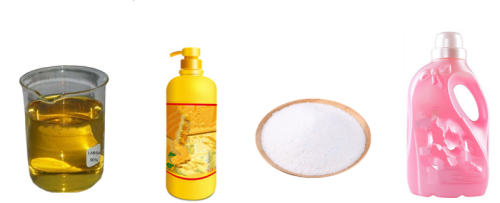
- As a detergent, widely used in tableware, food and beverage bottles and other fields.Especially suitable for machine cleaning, easy rinsing, low residue.
 Application of Sodium Salt of Polyethylene-polypropylene Glycol
- As an emulsifier, dispersant, etc., used in the field of personal care products.
 Application of Sodium Salt of Polyethylene-polypropylene Glycol
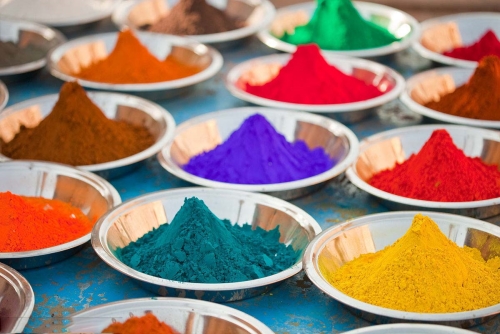
- As a dispersant, used in pigment, dye and other fields.
 Application of Sodium Salt of Polyethylene-polypropylene Glycol
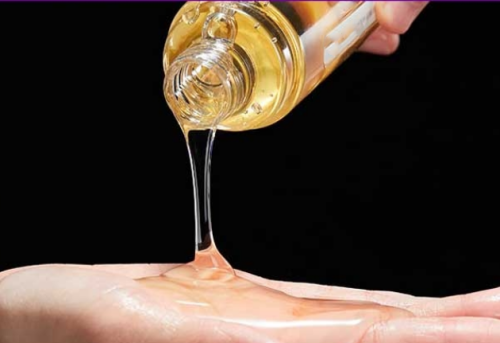
- As an antistatic agent, protective agent, used in textile, chemical fiber and other fields.
- As a defoaming agent, used in the paper industry.
- As a lubricant, used in the rubber, resin industry.
 Application of Sodium Salt of Polyethylene-polypropylene Glycol
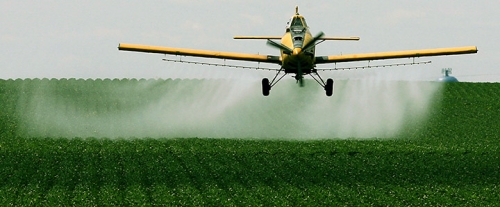
- As an emulsifier, it is used in the pesticide industry.
 Application of Sodium Salt of Polyethylene-polypropylene Glycol
- As a wetting agent, it is widely used in electroplating, textile, chemical fiber and other fields.
 Company Profile
Luoyang Tongrun Nano Technology Co., Ltd. (TRUNNANO) is a confident global supplier and manufacturer of chemical materials with over 12 years of rich experience, focusing on providing ultra-high quality chemicals and nanomaterials. Our product range includes boride powders, nitride powders, graphite powders, sulfide powders, 3D printing powders, and surfactant.
The company has a professional technical team and quality inspection department, well-equipped laboratories and advanced testing equipment. In order to ensure that our customers can get the best product experience, we have also set up a professional after-sales customer service center.
If you are looking for a high quality supplier of polyethylene-polypropylene glycol , we sincerely invite you to contact us or click on related products to inquire
Company Profile
Luoyang Tongrun Nano Technology Co., Ltd. (TRUNNANO) is a confident global supplier and manufacturer of chemical materials with over 12 years of rich experience, focusing on providing ultra-high quality chemicals and nanomaterials. Our product range includes boride powders, nitride powders, graphite powders, sulfide powders, 3D printing powders, and surfactant.
The company has a professional technical team and quality inspection department, well-equipped laboratories and advanced testing equipment. In order to ensure that our customers can get the best product experience, we have also set up a professional after-sales customer service center.
If you are looking for a high quality supplier of polyethylene-polypropylene glycol , we sincerely invite you to contact us or click on related products to inquire
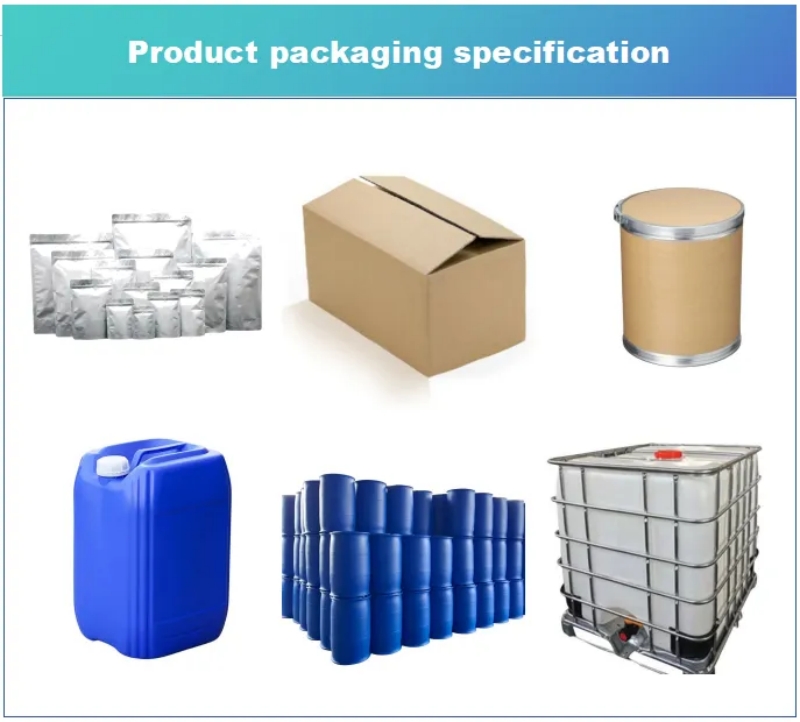
 Packing of Polyethylene-polypropylene Glycol
We have many kinds of packing, depending on polyethylene-polypropylene glycol quantity.
Polyethylene-polypropylene glycol packing: 100g, 1kg, 10kg, etc.
Packing of Polyethylene-polypropylene Glycol
We have many kinds of packing, depending on polyethylene-polypropylene glycol quantity.
Polyethylene-polypropylene glycol packing: 100g, 1kg, 10kg, etc.
Payment methods of Polyethylene-polypropylene Glycol
L/C, T/T, Western Union, Paypal, Credit Card etc.
Shipment of Polyethylene-polypropylene Glycol
Once payment is received, by sea, by air or by express as soon as possible.
FAQ of Sodium Salt of Polyethylene-polypropylene Glycol
Q1: What is Sodium Salt of Polyethylene-polypropylene Glycol and what are its primary uses?
Re: Sodium Salt of Polyethylene-polypropylene Glycol (PEPG) is a non-ionic surfactant that combines the properties of polyethylene glycol (PEG) and polypropylene glycol (PPG). It is used in various applications, including as an emulsifier, solubilizer, and dispersing agent. Its primary uses include personal care products such as shampoos, conditioners, and lotions, pharmaceutical formulations to improve the solubility and stability of active ingredients, and industrial applications like lubricants and cleaning agents.
Q2: How does Sodium Salt of Polyethylene-polypropylene Glycol enhance the performance of personal care products?
Re: Sodium Salt of Polyethylene-polypropylene Glycol enhances the performance of personal care products by acting as an effective emulsifier, helping to blend oil and water-based components and creating stable emulsions. It improves the solubility of active ingredients, ensuring they are evenly distributed throughout the product. Additionally, it provides a smooth and creamy texture, enhancing the overall feel and sensory experience of the product. It also reduces the surface tension of water, which can help in the formation of foam and improve the cleansing properties of the product.
Q3: Is Sodium Salt of Polyethylene-polypropylene Glycol safe for use in personal care and pharmaceutical products?
Re: Sodium Salt of Polyethylene-polypropylene Glycol is generally considered safe for use in personal care and pharmaceutical products. It is non-toxic and has low irritation potential, making it suitable for use in products that come into contact with the skin and eyes. However, it is always important to follow the recommended usage levels and to conduct appropriate safety testing, especially when formulating new products. Additionally, it is biodegradable, which makes it environmentally friendly.
Q4: What safety precautions should be taken when handling Sodium Salt of Polyethylene-polypropylene Glycol?
Re: When handling Sodium Salt of Polyethylene-polypropylene Glycol, it is important to wear appropriate personal protective equipment (PPE) such as gloves and safety goggles to prevent skin and eye contact. Avoid inhaling the vapor or mist. Store the material in a cool, dry place away from incompatible substances and direct sunlight. In case of contact with skin or eyes, rinse thoroughly with water. If ingested, seek medical advice immediately. Always refer to the Material Safety Data Sheet (MSDS) or Technical Data Sheet (TDS) provided by the supplier for detailed safety information and emergency procedures.