About Polyethylene glycol monooleate:
Polyethylene glycol monooleate, used as a W/O emulsifier, solvent, kerosene emulsifier, industrial lubricant. It can be used as an emulsifier of insecticide and pickling of water-soluble coating and printed circuit board. Widely used in the manufacture of synthetic fiber emulsifiers, with a low freezing point, good viscosity, and temperature, low volatility, good antioxidant properties.
TRUNNANO is a trusted global Polyethylene glycol monooleate. Feel free to send an inquiry to get the latest price of Polyethylene glycol monooleate. If you would like to buy Polyethylene glycol monooleate in bulk.
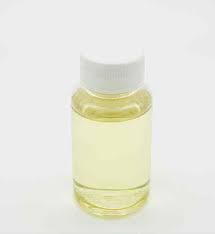
Polyethylene glycol monooleate
Product Performance of Polyethylene glycol monooleate:
PEG400MO: soluble in benzene, isopropyl alcohol, water is dispersed, for industrial special lubricant, industrial degreasing agent, vinyl plastic sol viscosity stabilizer, textile softener, lubricant, dry cleaning agent, oil-based cutting fluid balance emulsifier.Plastic antistatic agent and dispersant.Biodegradable.
PEG400DO: soluble in mineral, vegetable oil, water is dispersed, used as W/O emulsifier, solvent, kerosene emulsifier, industrial lubricant.
PEG600MO, PEG600DO, PEG4000MO, PEG6000MO: soluble in water, with good washing, emulsification, lubrication properties. For O/W emulsifier in cosmetics, for leveling agent, dispersant, softening agent in the textile industry, for lubricant in metal processing. It can be used as an emulsifier of insecticide and pickling of water-soluble coating and printed circuit board.
PEG264 oleate ester: easily soluble in oil and organic solvents, with good smooth, emulsifying effect, widely used in the manufacture of synthetic fiber emulsifier, with a low freezing point, good adhesion temperature, low volatility, good antioxidant characteristics.
Technical Parameter of Polyethylene glycol monooleate:
|
Product name |
Short Name |
Appearance(25℃) |
Acid value(mgKOH/g) |
Saponification value(mgKOH/g) |
HLB |
|
PEG400 monoleate |
PEG400MO |
Amber liquid |
≤5 |
75~95 |
7~8 |
|
PEG400 dioleate |
PEG400DO |
Amber liquid |
≤10 |
110~130 |
11~12 |
|
PEG400 monoleate |
PEG600MO |
Amber liquid |
≤5 |
60~75 |
13~14 |
|
PEG400 dioleate |
PEG600DO |
Amber liquid |
≤10 |
85~105 |
10~11 |
|
PEG400 monoleate |
PEG4000MO |
Yellow solid |
≤5 |
10~15 |
18~18.5 |
|
PEG400 monoleate |
PEG6000MO |
Yellow solid |
≤5 |
5~10 |
19 |
|
PEG624 oleate |
PEG624 oleate |
Yellow solid |
≤2 |
115~125 |
|
Applications of Polyethylene glycol monooleate:
PEG400MO: soluble in benzene, isopropyl alcohol, water is dispersed, for industrial special lubricant, industrial degreasing agent, vinyl plastic sol viscosity stabilizer, textile softener, lubricant, dry cleaning agent, oil-based cutting fluid balance emulsifier.Plastic antistatic agent and dispersant.Biodegradable.
PEG400DO: soluble in mineral, vegetable oil, water is dispersed, used as W/O emulsifier, solvent, kerosene emulsifier, industrial lubricant.
PEG600MO, PEG600DO, PEG4000MO, PEG6000MO: soluble in water, with good washing, emulsification, lubrication properties. For O/W emulsifier in cosmetics, for leveling agent, dispersant, softening agent in the textile industry, for lubricant in metal processing. It can be used as an emulsifier of insecticide and pickling of water-soluble coating and printed circuit board.
PEG264 oleate ester: easily soluble in oil and organic solvents, with good smooth, emulsifying effect, widely used in the manufacture of synthetic fiber emulsifier, with a low freezing point, good adhesion temperature, low volatility, good antioxidant characteristics.
Packing & Shipping of Polyethylene glycol monooleate:
We have many different kinds of packing which depend on Polyethylene glycol monooleate quantity.
Polyethylene glycol monooleate packing: Polyethylene glycol monooleate kg/bottle, 25kg/barrel, or 200kg/ barrel.
Polyethylene glycol monooleate shipping: could be shipped out by sea, by air, by express as soon as possible once payment receipt.
FAQs of Polyethylene glycol monooleate:
Q: What are the main applications of Polyethylene Glycol Monooleate?
A: Polyethylene Glycol Monooleate finds application in several key areas:Cosmetics and Personal Care: Used in creams, lotions, shampoos, and conditioners to enhance emulsion stability, improve texture, and provide conditioning effects.Pharmaceuticals: Incorporated into topical medications and ointments as an emulsifying agent, aiding in the uniform dispersion of active ingredients.Food Industry: Functions as an emulsifier in food products like confectionery, baked goods, and frostings to prevent oil separation and improve mouthfeel.Industrial Applications: Utilized in paints, coatings, and adhesives as a stabilizer and dispersant to ensure even distribution of components.Cleaning Products: Added to detergents and cleaning agents to enhance foaming and grease removal capabilities, improving overall cleaning performance.
Q: What are the advantages of using Polyethylene Glycol Monooleate over other emulsifiers?
A: The advantages of using Polyethylene Glycol Monooleate include:Excellent Emulsification: Provides superior emulsion stability, reducing phase separation in formulations containing both water and oil components.Versatility: Suitable for a wide range of applications across different industries due to its effective emulsifying and stabilizing properties.Mildness: Generally mild on skin and eyes, making it suitable for use in personal care products intended for sensitive users.Biodegradability: Exhibits good biodegradability, contributing to reduced environmental impact compared to some synthetic alternatives.Customizable Properties: By varying the molecular weight of the PEG component, manufacturers can tailor the surfactant's properties to meet specific formulation needs.
Q: Is Polyethylene Glycol Monooleate safe for use in consumer products?
A: Yes, Polyethylene Glycol Monooleate is generally recognized as safe (GRAS) by regulatory bodies such as the U.S. Food and Drug Administration (FDA) for use in food products. In cosmetics and personal care items, it is considered safe when used according to established guidelines by organizations like the Cosmetic Ingredient Review (CIR) Expert Panel. However, individual sensitivity can vary, so patch testing is recommended if you have known allergies or particularly sensitive skin. Always follow safety data sheets (SDS) and local regulations for handling, storage, and disposal. Users should avoid contact with eyes and ensure proper ventilation when handling large quantities.
Q: How should Polyethylene Glycol Monooleate be stored and handled?
A: Proper storage and handling practices for Polyethylene Glycol Monooleate include:Storage Conditions: Store in a cool, dry place away from direct sunlight and heat sources to prevent degradation and maintain quality.Sealed Containers: Keep in tightly sealed containers to avoid contamination and oxidation, preserving the product's integrity.Compatibility: Be aware of potential incompatibilities with certain preservatives or active ingredients; always test formulations for stability.Personal Protection: Wear appropriate personal protective equipment (PPE) such as gloves and goggles when handling large quantities in industrial settings to protect against skin and eye irritation.Disposal: Dispose of any unused product according to local regulations for chemical waste management, ensuring responsible environmental practices.
Polyethylene glycol monooleate Properties |
|||
| Other Names | N/A | ||
| CAS No. | N/A | ||
| Compound Formula | N/A | ||
| Molecular Weight | N/A | ||
| Appearance | Light yellow liquid | ||
| Melting Point | N/A | ||
| Boiling Point | N/A | ||
| Density | N/A | ||
| Solubility in H2O | N/A | ||
| Exact Mass | N/A | ||
|
|||
| Signal Word | N/A | ||
| Hazard Statements | N/A | ||
| Hazard Codes | N/A | ||
| Risk Codes | N/A | ||
| Safety Statements | N/A | ||
| Transport Information |
|
||