Overview of Poly Propylene Glycol
Poly propylene glycol is a non-ionic surfactant. It is divided into various types according to different molecular weights, soluble in toluene, ethanol, trichloroethylene and other organic solvents.PPG series are soluble in toluene, ethanol, trichloroethylene and other organic solvents, PPG200, 400, 600 are soluble in water, with lubrication, solubilization, defoiling, antistatic properties. PPG-2000~8000 has better lubrication, anti-foam, heat and freeze resistance.
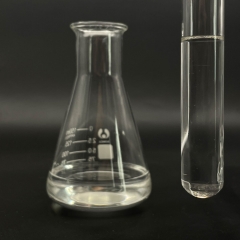
(PPG Poly propylene glycol)
Chemical Properties of Poly Propylene Glycol
Appearance: Colorless transparent viscous liquid
Acid (mgKOH/g): ≤0.5
PH: 5.0-7.0
Relative density (25℃): NA
Application of Poly Propylene Glycol
Poly propylene glycol (PPG) is a kind of polyether with a molecular weight of several hundred to several thousand. It is a white or colorless viscous liquid with good fluidity and low toxicity. It is soluble in water and various organic solvents and has good chemical stability and thermal stability.
Poly propylene glycol has good solubility in water and various organic solvents, so it can be used as a good solvent for various chemical reactions. In the field of biochemistry, it is often used as a solvent for protein extraction and purification, and can also be used as a protective agent for enzymes. In addition, polypropylene glycol can also be used as a raw material for the synthesis of surfactants, adhesives, lubricants and other polymers.
Coatings and inks: PPG has excellent surfactant properties and can emulsify, thicken, and disperse in coatings and inks, thereby improving product quality and stability.
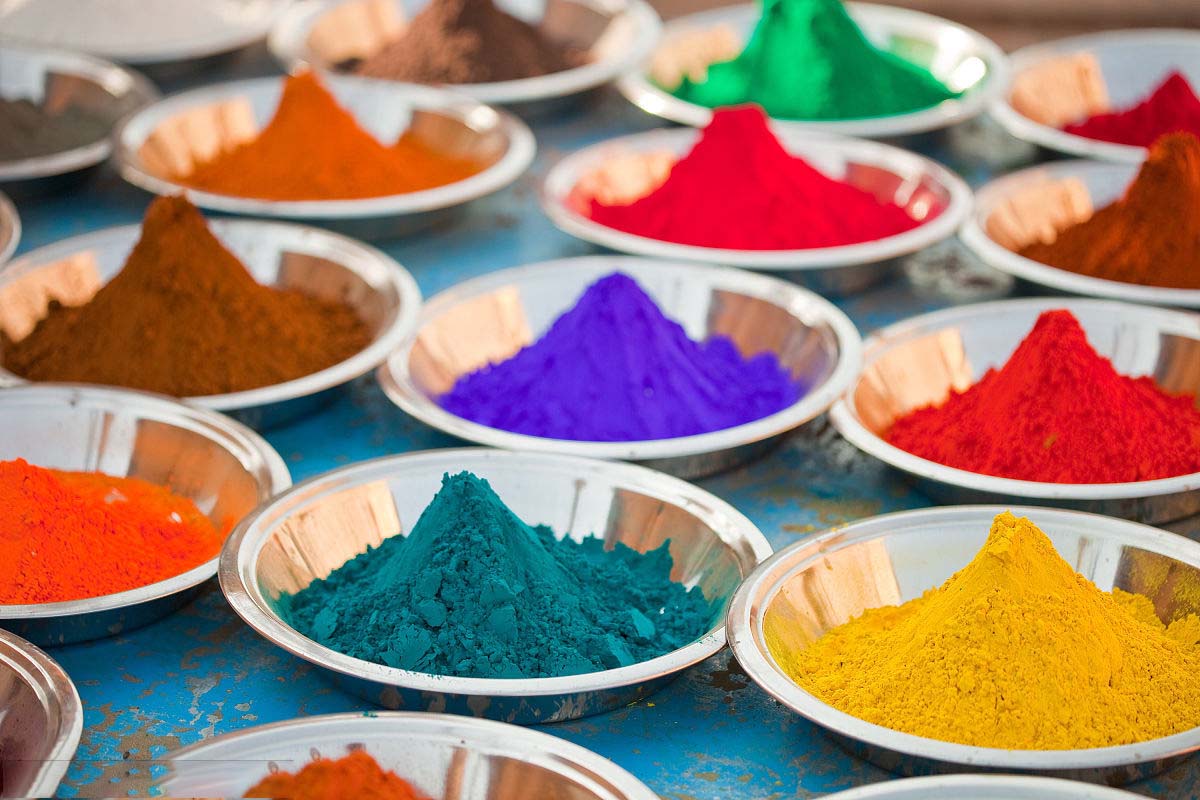
(Application of Poly Propylene Glycol)
Cleaner field: PPG's solubility and penetrability make it an important ingredient in cleaner formulations, especially where stubborn stains or grease need to be removed.
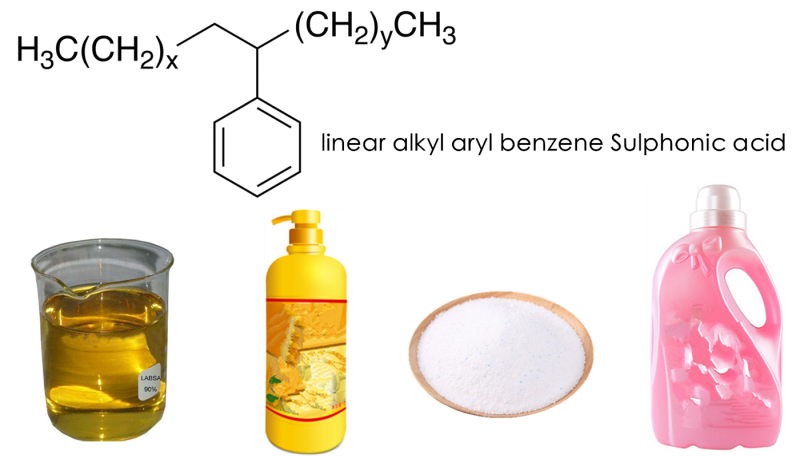
(Application of Poly Propylene Glycol)
Synthetic resin field: PPG can be used in the processing and modification of synthetic resins to improve product performance and stability.
Cosmetics field: PPG is a common moisturizer and solvent, used in cosmetics to improve the moisturizing performance and stability of products.
Biomedical field: PPG has good biocompatibility and drug delivery properties, and can be used to prepare drug carriers, tissue engineering scaffolds, etc. in the biomedical field.
Electronic industry: PPG has certain insulation properties and heat resistance, and can be used for insulation protection of electronic products and circuit board manufacturing.
Agricultural field: PPG can be used as a carrier and synergist for pesticides to improve the control effect and safety of pesticides.

(Application of Poly Propylene Glycol)
Company Profile
Luoyang Tongrun Nano Technology Co., Ltd. (TRUNNANO) is a confident global supplier and manufacturer of chemical materials with over 12 years of rich experience, focusing on providing ultra-high quality chemicals and nanomaterials. Our product range includes boride powders, nitride powders, graphite powders, sulfide powders, 3D printing powders, and surfactant.
The company has a professional technical team and quality inspection department, well-equipped laboratories and advanced testing equipment. In order to ensure that our customers can get the best product experience, we have also set up a professional after-sales customer service center.
If you are looking for a high quality supplier of poly propylene glycol, we sincerely invite you to contact us or click on related products to inquire

(Company Profile)
Packing of Poly Propylene Glycol
We have many kinds of packing, depending on poly propylene glycol quantity.
Poly propylene glycol packing: 100g, 1kg, 10kg, etc.
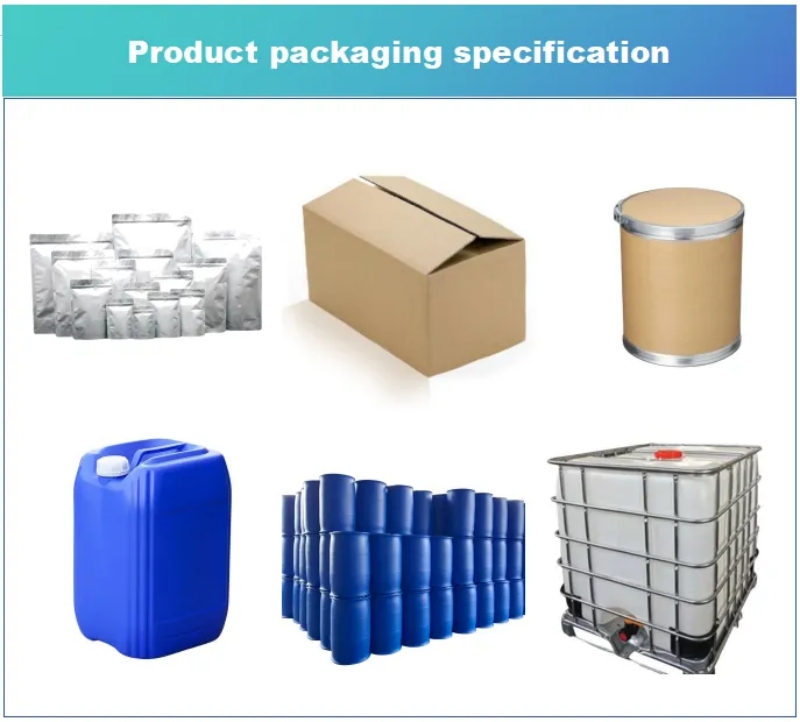
(Packing of Poly Propylene Glycol )
Payment methods of Poly Propylene Glycol
L/C, T/T, Western Union, Paypal, Credit Card etc.
Shipment of Poly Propylene Glycol
Once payment is received, by sea, by air or by express as soon as possible.
FAQs of Poly Propylene Glycol
Q: What are the main applications of Polypropylene Glycol?
A: Polypropylene Glycol has diverse applications across several industries: Personal Care and Cosmetics: Used as a humectant, emollient, and solvent in products like lotions, creams, and makeup. Pharmaceuticals: Acts as a carrier or solvent for various drugs and excipients in oral and topical medications. Industrial Applications: Utilized as a raw material in the production of polyurethane foams, lubricants, and hydraulic fluids. Textile Industry: Employed as a softening agent and dye carrier in textile processing. Food Industry: Used as a thickener, stabilizer, and anti-caking agent in certain food products, as well as in the formulation of flavorings and fragrances.
Q: Is Polypropylene Glycol safe for use in cosmetics and personal care products?
A: Yes, Polypropylene Glycol is generally recognized as safe (GRAS) by the U.S. Food and Drug Administration (FDA) for use in cosmetics and personal care products. The Cosmetic Ingredient Review (CIR) Expert Panel has also reviewed PPG and concluded that it is safe for use in rinse-off and leave-on products. However, some individuals may experience skin irritation or allergic reactions, especially if they have sensitive skin. Patch testing new products on a small area of skin is recommended before full application.
Q: What are the environmental considerations regarding Polypropylene Glycol?
A: The environmental impact of Polypropylene Glycol depends on its usage and disposal methods: Biodegradability: Lower molecular weight PPGs tend to be more biodegradable than higher molecular weight versions. Aquatic Toxicity: Some studies suggest that PPG can have moderate aquatic toxicity at high concentrations, so proper wastewater treatment is important. Sustainability: Efforts are ongoing to develop more sustainable production methods for PPG, including using renewable resources and reducing energy consumption during manufacturing. Regulations: Adherence to local and international regulations regarding the release of PPG into the environment is crucial to minimize ecological impact.
Q: How should Polypropylene Glycol be stored and handled?
A: Proper storage and handling practices for Polypropylene Glycol include: Storage Conditions: Store in a cool, dry place away from direct sunlight and heat sources to prevent degradation. Sealed Containers: Keep in tightly sealed containers to avoid contamination and oxidation. Ventilation: Handle in areas with adequate ventilation to avoid inhalation of vapors, especially when working with large quantities. Compatibility: Be aware of potential incompatibilities with strong oxidizers and acids; store separately to avoid reactions. Personal Protection: Use appropriate personal protective equipment (PPE) such as gloves, goggles, and protective clothing when handling PPG, especially in industrial settings. Disposal: Dispose of any unused product according to local regulations for chemical waste management, ensuring environmental responsibility.
Poly propylene glycol Properties |
|||
| Other Names | N/A | ||
| CAS No. | 25322-69-4 | ||
| Compound Formula | H(C3H6O)nOH | ||
| Molecular Weight | N/A | ||
| Appearance | Colorless transparent viscous liquid | ||
| Melting Point | N/A | ||
| Boiling Point | N/A | ||
| Density | N/A | ||
| Solubility in H2O | N/A | ||
| Exact Mass | N/A | ||
|
|||
| Signal Word | N/A | ||
| Hazard Statements | N/A | ||
| Hazard Codes | N/A | ||
| Risk Codes | N/A | ||
| Safety Statements | N/A | ||
| Transport Information |
|
||