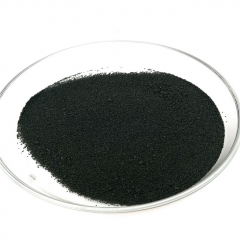

What is Iron Boride FeB Powder ?
Iron boride, with the formula FeB, is an inorganic compound. The crystal structure of iron boride is an ionic crystal composed of iron ions and boron ions arranged alternately. This structure makes it have some special physical and chemical properties.
Regarding physical properties, the melting point of iron boride is high, reaching about 1400 ° C, and the hardness is large, showing metal characteristics. It has good electrical and thermal conductivity; its thermal conductivity is lower than copper but higher than aluminum. These properties make it a potential application in manufacturing high-temperature appliances, electronic equipment, and high-temperature measurements and furnaces.
In terms of chemical properties, iron boride has high chemical stability, and it does not react with water and oxygen at normal temperature and pressure. However, it can react at high temperatures with some metals and quasi-metals, such as carbon, silicon, boron, etc. This property gives iron boride a certain application prospect in high-temperature chemical reactions.
In addition, iron boride has certain magnetic properties, which can be magnetized at a certain temperature. This property makes iron boride have certain application potential in magnetic and electromagnetic shielding materials.
Feel free to send an inquiry to get the latest iron boride price if you would like to buy Iron Boride FeB Powder in bulk.
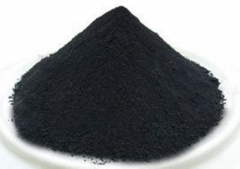
Iron Boride FeB Powder CAS 12006-84-7
How is Iron Boride FeB Powder produced?
Electrochemical method:
The electrochemical method is a common method for producing iron boride. The principle of this method is to generate iron boride on the cathode by electrolysis of iron ion and borate ion solution. The specific production steps are as follows:
(1) Prepare an electrolyte containing iron and borate ions: dissolve iron salts and borates in an appropriate solvent, such as water, ethanol, or ethylene glycol.
(2) The electrolyte is sealed in the electrolytic cell, and appropriate electrolytes and additives are added to maintain the required pH value and current density.
(3) The electrolytic cell is electrolyzed, generating iron boride on the cathode.
(4) The generated iron boride is separated from the electrolyte by centrifugation, washing, and drying.
(5) Finally, the required iron boride product is prepared by grinding, pressing, forming, or sintering.
The electrochemical method has higher production efficiency and lower energy consumption but requires the use of a large number of electrolytes and electrodes, so the cost is higher. In addition, the electrolysis process may also produce waste, which has a certain impact on the environment.
Thermochemical method:
The thermal chemical process is another method of producing iron boride. The method is to directly synthesize iron boride by chemical reaction under high temperature and pressure. The specific production steps are as follows:
(1) Iron powder and boron powder are mixed to make an iron-boron preform with a certain shape and size.
(2) Put the prefabricated body into the furnace for a high-temperature synthesis reaction. Iron and boron react chemically under high temperatures and pressure to form iron boride.
(3) The required iron boride product is prepared by grinding, pressing, forming, or sintering.
The thermal-chemical method has lower production costs and less waste generation. Still, it requires high-temperature and high-pressure equipment and requires higher equipment maintenance and safety requirements. In addition, the reaction conditions of the thermal-chemical method are relatively complex, and it is necessary to precisely control temperature, pressure, and other parameters to obtain high-purity and high-quality iron boride products.
Application of Iron Boride FeB Powder:
Iron boride, with the formula FeB, is an inorganic compound. The crystal structure of iron boride is an ionic crystal composed of iron ions and boron ions arranged alternately. This structure makes it have some special physical and chemical properties.
Regarding physical properties, the melting point of iron boride is high, reaching about 1400 ° C, and the hardness is large, showing metal characteristics. It has good electrical and thermal conductivity; its thermal conductivity is lower than copper but higher than aluminum. These properties make it a potential application in manufacturing high-temperature appliances, electronic equipment, and high-temperature measurements and furnaces.
In terms of chemical properties, iron boride has high chemical stability, and it does not react with water and oxygen at normal temperature and pressure. However, it can react at high temperatures with some metals and quasi-metals, such as carbon, silicon, boron, etc. This property gives iron boride a certain application prospect in high-temperature chemical reactions.
In addition, iron boride has certain magnetic properties, which can be magnetized at a certain temperature. This property makes iron boride have certain application potential in magnetic and electromagnetic shielding materials.
Storage Condition of Iron Boride FeB Powder:
The damp reunion will affect FeB powder dispersion performance and using effects, therefore, iron boride FeB powder should be sealed in vacuum packing and stored in cool and dry room, the iron boride FeB powder can not be exposure to air. In addition, the FeB powder should be avoided under stress.
Packing & Shipping of Iron Boride FeB Powder:
We have many different kinds of packing which depend on the iron boride FeB powder quantity.
Iron boride FeB powder packing:vacuum packing, 100g, 500g or 1kg/bag, 25kg/barrel, or as your request.
Iron boride FeB powder shipping: could be shipped out by sea, by air, by express, as soon as possible once payment receipt.
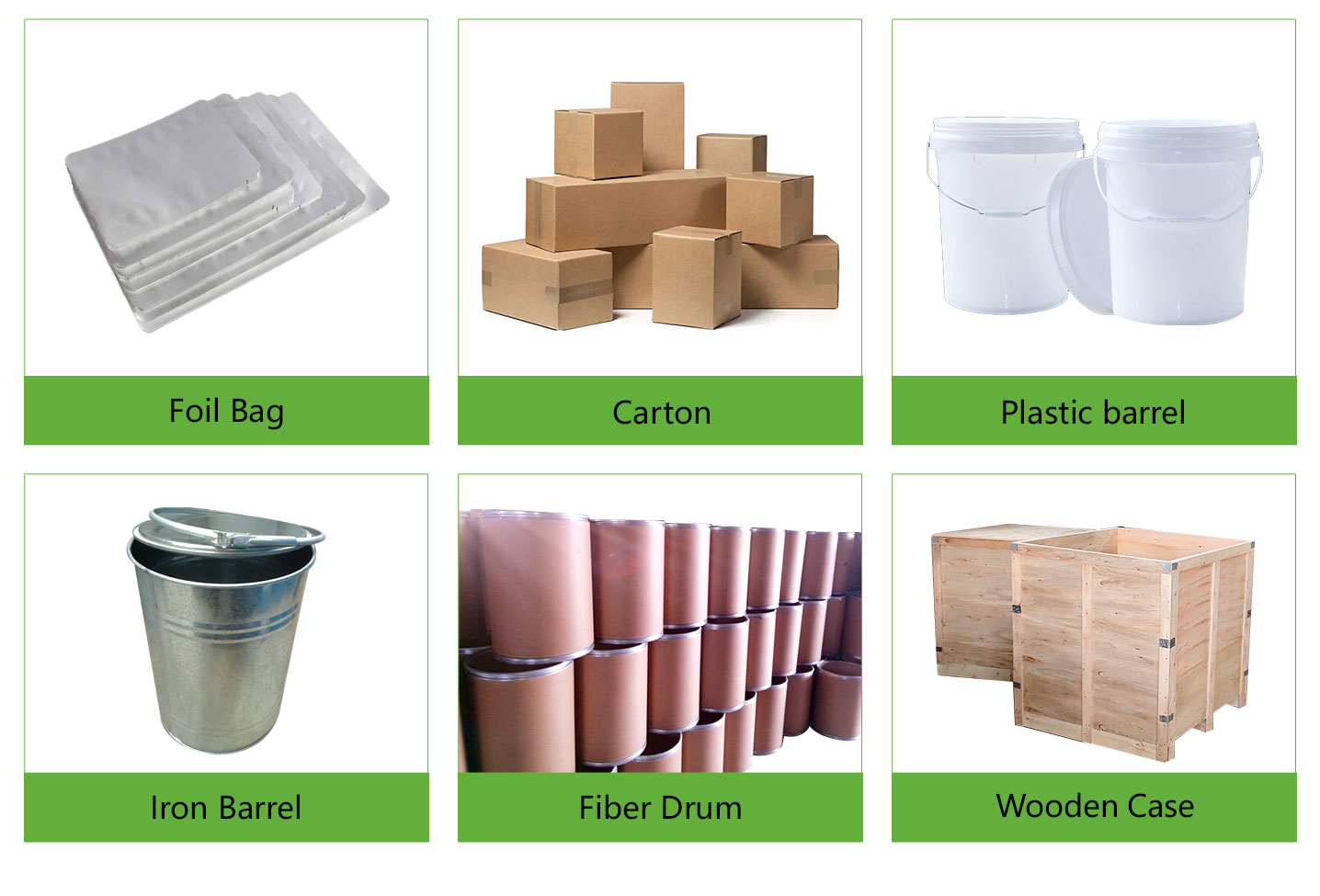
Packing & Shipping of Iron Boride FeB Powder
FAQs of Iron Boride FeB Powder:
Q: What is iron boride used for?
A: Iron boride (FeB) powders are utilized in a variety of industrial applications due to their unique properties. They are especially noted for their high hardness and wear resistance, which make them suitable as hardfacing materials applied to the surface of components to enhance durability and extend service life. In metallurgy, FeB can be incorporated into alloys to improve mechanical strength and corrosion resistance. Additionally, it finds use in the production of cutting tools, abrasives, and coatings that require superior hardness and thermal stability. Research into new materials has also explored the potential of iron boride in advanced technologies such as catalysis and magnetic applications.
Q: Is iron boride toxic for humans?
A: The health effects associated with exposure to iron boride are not extensively documented; however, like many metal compounds, fine particles of FeB can potentially cause irritation if inhaled or come into contact with skin or eyes. Inhalation of dust may lead to respiratory tract irritation, while direct contact can result in skin or eye irritation. To ensure safe handling, appropriate personal protective equipment (PPE) should be worn, including gloves, safety glasses, and a respirator when necessary. Good ventilation and adherence to occupational hygiene practices are essential to minimize any risks related to handling this material. For comprehensive safety information, always refer to the Safety Data Sheet (SDS) provided by the manufacturer.
Q: What is the formula and structure of iron boride?
A: Iron boride exists in two main forms with different chemical formulas and structures: FeB and Fe2B. FeB features an orthorhombic crystal structure, characterized by its three unequal axes at right angles to each other, while Fe2B exhibits a hexagonal crystal system. These structural arrangements contribute to the distinct physical and mechanical properties of each form. Both types of iron boride possess high melting points and hardness, making them valuable in applications where these attributes are critical. The choice between FeB and Fe2B often depends on the specific requirements of the application, such as the level of hardness or compatibility with other materials.
Q: Can iron boride be safely included in consumer products?
A: Incorporating iron boride into consumer products requires careful consideration of safety and regulatory compliance. While FeB is not typically considered hazardous under normal conditions, the potential for particle release during product use must be evaluated. If used in products like coatings or abrasive materials, manufacturers should ensure that iron boride is encapsulated or bound in a way that prevents unintended exposure. Consumer products containing iron boride should comply with relevant safety standards and regulations to guarantee they do not pose a risk to users. When formulated properly, iron boride can offer benefits such as increased wear resistance and durability without compromising user safety. It's important for manufacturers to follow best practices in material selection and product design to leverage the advantages of iron boride effectively.
Luoyang Tongrun Nano Technology Co. Ltd. (TRUNNANO) is a trusted global chemical material supplier & manufacturer with over 12-year-experience in providing super high-quality chemicals and Nanomaterials, including boride powder, nitride powder, graphite powder, sulfide powder, 3D printing powder, etc.
If you are looking for high-quality iron boride powder, please feel free to contact us and send an inquiry. (sales3@nanotrun.com)
Iron Boride Properties |
|
| Other Names | ferric boride, iron monoboride, ferrous boride, iron(II) boride, FeB powder |
| CAS No. | 12006-84-7 |
| Compound Formula | FeB |
| Molecular Weight | 66.656 |
| Appearance | Gray to Black Powder |
| Melting Point | 1300-1500℃ |
| Boiling Point | N/A |
| Density | 7.15 g/cm3 |
| Solubility in H2O | Insoluble |
| Exact Mass | 66.944243 |
Iron Boride Health & Safety Information |
|
| Signal Word | N/A |
| Hazard Statements | N/A |
| Hazard Codes | N/A |
| Risk Codes | N/A |
| Safety Statements | N/A |
| Transport Information | N/A |