Product Introduction of Aluminum Nitride Ceramic Rings
Aluminum Nitride (AlN) ceramic rings are high-performance ceramic products made from high-purity Aluminum Nitride powder through precision molding and high-temperature sintering processes. This material is favored for its excellent thermal conductivity, electrical insulation, and mechanical strength and is suitable for a variety of high-tech applications. Aluminum nitride ceramic rings have a low coefficient of thermal expansion (CTE), similar to that of semiconductor materials such as silicon, which ensures stability during temperature changes. Their surfaces can be finely machined to achieve optical-grade smoothness, making them ideal for applications where precision is critical. In addition, aluminum nitride ceramic rings can be customized in size, thickness, and inner and outer diameters to meet the specific needs of different customers. Whether as functional components or structural supports, aluminum nitride ceramic rings provide stable and reliable performance and are widely used in electronics, optics, laser technology and aerospace.

AlN Ring
Specification of Aluminum Nitride Rings
|
Property |
Typical Specification |
|
Material Composition |
AlN (Aluminum Nitride) |
|
Thermal Conductivity |
170-220 W/m·K |
|
Coefficient of Thermal Expansion |
~4.5-5.0 ppm/°C (similar to silicon) |
|
Dielectric Strength |
>20 kV/mm |
|
Dielectric Constant (1 MHz) |
~8.4 – 9.6 |
|
Volume Resistivity |
>10^14 Ω·cm at 25°C |
|
Mechanical Strength (Bending) |
~350-450 MPa |
|
Hardness (Vickers) |
~12-14 GPa |
|
Density |
~3.26 g/cm³ |
|
Porosity |
<1% |
|
Operating Temperature Range |
-269°C to +1000°C |
|
Chemical Stability |
Excellent resistance to acids, alkalis, and molten metals |
|
Surface Finish |
Can be polished to optical quality or left with a machined finish |
|
Inner Diameter (ID) |
Customizable; typically ranges from a few millimeters to several centimeters |
|
Outer Diameter (OD) |
Customizable; typically ranges from a few millimeters to several centimeters |
|
Thickness |
Customizable; typically ranges from 0.5 mm to several millimeters |
|
Purity |
High purity options available (e.g., >99%) |
Features of Aluminum Nitride Ceramic Rings
Aluminum nitride ceramic rings stand out for their unique properties, making them ideal for many demanding applications.
1. It possesses an excellent thermal conductivity (170 to 220 W/m-K) that far exceeds that of conventional ceramic materials, enabling it to dissipate heat efficiently and maintain the temperature stability of equipment during high-power operation.
2. Despite its excellent thermal conductivity, aluminum nitride ceramic rings maintain excellent electrical insulation, which makes them ideal for electronic packages and semiconductor devices, especially in applications that require strict electrical isolation.
3. Its coefficient of thermal expansion (CTE) is close to that of silicon (approximately 4.5-5.0 ppm/°C), which helps to minimize stresses due to temperature variations and improves long-term reliability.
4. Aluminum nitride ceramic rings exhibit excellent chemical stability and are resistant to acid and alkali corrosion and molten metal attack, ensuring long-lasting durability in harsh environments.
5. Although it is a brittle material, it can withstand certain mechanical loads after careful design and manufacturing and can obtain higher hardness and flatness through appropriate surface treatment, which is very suitable for precision instruments and high-end electronic products.
Applications of Aluminum Nitride Ceramic Rings
Aluminum nitride ceramic rings find a wide range of applications in several industries due to their excellent performance.
In the electronics industry, they are often used as heat sinks, power module backplanes, and LED substrates, utilizing their efficient heat transfer capabilities to manage heat and enhance brightness and lifetime.
For laser technology and optoelectronics, aluminum nitride ceramic rings are ideal for the manufacture of optical windows, lenses and other optoelectronic components thanks to their transparency and thermal stability at specific wavelengths.
In the automotive industry, aluminum nitride ceramic rings are used in sensor assemblies and ignition system components to withstand extreme temperatures and corrosive conditions.
The aerospace and defense sectors value its ability to work reliably under extreme conditions, such as in avionics and radar system applications.
Aluminum nitride ceramic rings also have applications in certain medical implants or diagnostic equipment due to their biocompatibility and resistance to body fluids.

Company Profile
Company Profile
Luoyang Tongrun Nano Technology Co. Ltd. (TRUNNANO) is a trusted global chemical material supplier & manufacturer with over 12-year-experience in providing super high-quality chemicals and nanomaterials, including boride powder, nitride powder, graphite powder, ceramic products, 3D printing powder, etc.
The company has a professional technical department and Quality Supervision Department, a well-equipped laboratory, and equipped with advanced testing equipment and after-sales customer service center.
If you are looking for high-quality Aluminum Nitride Ceramic Rings please feel free to contact us or click on the needed products to send an inquiry.
Payment Term
T/T, Western Union, Paypal, Credit Card etc.
Shipment Term
By air, by sea, by express, as customers request.
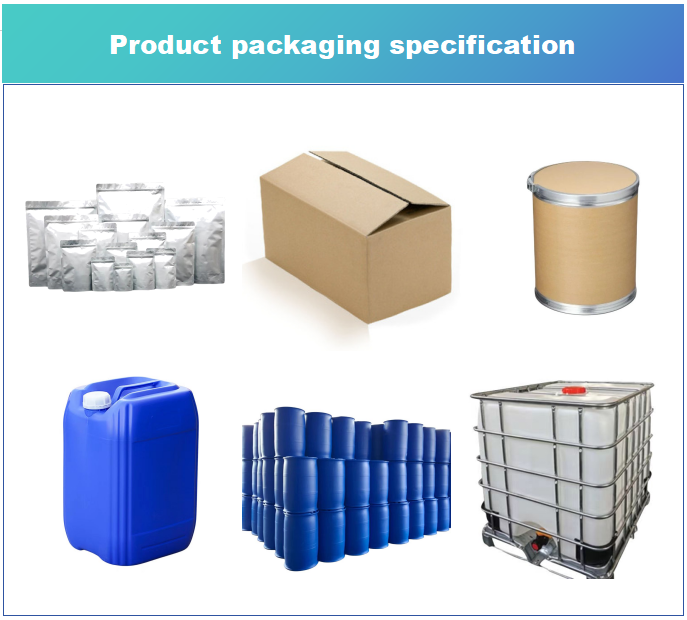
Packaging
FAQs
Q1: What is the thermal conductivity of aluminum nitride ceramic rings?
A1: Aluminum nitride (AlN) ceramic rings are known for their excellent thermal conductivity, ranging from 170 to 220 W/m-K. This characteristic makes them effective in applications that require efficient heat dissipation, such as high-power electronic devices and semiconductor packages. Aluminum nitride's thermal conductivity is closer to that of metals than that of other ceramic materials, allowing it to conduct and dissipate heat quickly, ensuring stable operation at high temperatures, resulting in longer service life and improved reliability.
Q2: Are AlN ceramic rings suitable for electronic applications?
A2: Yes, aluminum nitride ceramic rings are well suited for electronic applications. Not only do they have excellent thermal conductivity, but they also have excellent electrical insulation and a low coefficient of thermal expansion (CTE), which is similar to that of silicon and reduces the stress caused by temperature changes. These properties make them ideal for electronic packaging, semiconductor devices and high frequency circuits. In addition, its chemical stability ensures that long-term use in corrosive environments will not compromise electrical performance or structural integrity.
Q3: Can Aluminum Nitride Ceramic Rings withstand high temperature environments?
A3: Aluminum nitride ceramic rings are capable of maintaining stable performance in extreme high temperature environments. The material itself is thermally stable and chemically resistant, and can withstand temperatures up to 1,600°C or more without decomposing or losing functionality. For this reason, they are widely used in furnaces, kilns and metallurgical processes involving molten metals. Aluminum nitride ceramic rings maintain structural integrity and operating efficiency even under sustained high temperatures and corrosive conditions, making them a reliable choice for high-temperature industrial applications.
Q4: How much do AlN ceramic rings cost?
A4: Aluminum nitride ceramic rings are typically more expensive than traditional ceramic materials, primarily due to the complexity of the manufacturing process and the higher cost of raw materials. The exact price depends on a number of factors, including size, shape, purity requirements and whether custom processing is required. Despite the large initial investment, many high-end applications prefer this high-performance material, given the long-term economic benefits of its excellent properties, such as efficient thermal management and long life. When purchasing, it is recommended to evaluate the price/performance ratio based on actual needs.
Q5: How do I handle aluminum nitride ceramic rings to avoid damage?
A5: Although aluminum nitride ceramic rings are hard and have good strength, they are a brittle material and are prone to breakage due to improper handling. To prevent damage, care should be taken during handling and installation: avoid dropping them or subjecting them to shocks; do not apply excessive pressure or bending force; and for precision parts, soft tools are recommended for handling. In addition, storage should be on a flat, stable area and stacking heights should be minimized to reduce potential risks. Following proper handling guidelines can significantly extend product life.