Boron Nitride Shaft Overview
Boron Nitride Shafts are shaft parts made of boron nitride. Boron Nitride Shafts are characterized by high precision, high wear resistance, and good thermal conductivity. They can maintain stable positioning accuracy and mechanical properties under severe conditions, such as high speed, high temperature, and heavy load, and are commonly used in machine tools, optical instruments, aerospace, and other fields with high requirements for precision and stability.
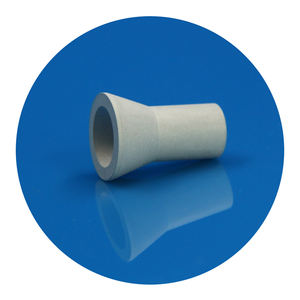
Boron Nitride Shafts
Features of Boron Nitride Shafts
High Hardness and Wear Resistance: Boron nitride shafts are extremely hard, especially those made of cubic boron nitride, with a hardness of up to about 9.5 on the Mohs hardness scale, second only to diamond. This gives it excellent wear resistance, enabling it to withstand high-speed, heavy-duty working conditions and effectively reducing wear, thereby prolonging service life. It is especially suitable for processing materials such as high-speed steel, titanium alloys, and other difficult-to-machine materials.
Good Thermal Stability: Boron nitride shafts can maintain stable performance in high-temperature environments. In an inactive reducing atmosphere, their maximum usage temperature can reach up to 2800°C, while in an oxidizing atmosphere, it is up to 900°C. Their low coefficient of thermal expansion ensures minimal dimensional changes during temperature fluctuations, reducing deformation and cracking caused by thermal stress.
Excellent Chemical Stability: Boron nitride shafts exhibit excellent resistance to chemical erosion. Inorganic acids and water do not corrode them and are also resistant to alkali. This stability makes them suitable for use in chemically demanding environments, such as in the chemical and semiconductor industries.
Excellent Electrical Insulation: Boron nitride is a superior electrical insulator, effectively preventing current leakage and short circuits. This property makes boron nitride shafts suitable for use in electrical equipment requiring electrical insulation.
Good Thermal Conductivity: Certain types of boron nitride, such as hexagonal boron nitride, exhibit high thermal conductivity, which aids in heat dissipation. This feature is beneficial in equipment where effective heat dissipation is crucial for maintaining normal operating temperatures.
Specifications of Boron Nitride Shafts
|
Applications of Boron Nitride Shafts
Machining: Boron Nitride Shafts are often used as spindles in high-precision machine tools due to their high hardness and wear resistance. It can maintain good precision and stability in the case of high-speed rotation and withstand large cutting forces, ensuring the dimensional accuracy and surface quality of machined parts.
Electronics Industry: The good electrical insulation and thermal stability of Boron Nitride Shafts make them suitable for use in semiconductor manufacturing equipment, such as ion implanters and photolithography machines. They ensure electrical insulation and maintain stability during long-term, high-load operation.
Chemical Field: Its excellent chemical stability makes boron nitride shafts suitable for use in certain specialized environments within chemical production. For example, in corrosion-resistant pumps and agitators, boron nitride shafts are able to resist the erosion of various chemical media, ensure the normal operation of the equipment, prolong the service life of the equipment, reduce the maintenance cost, and are especially suitable for chemical processes that deal with corrosive liquids, such as strong acids and strong alkalis.
Company Profile
Luoyang Tongrun Nano Technology Co. Ltd. (TRUNNANO) is a trusted global chemical material supplier & manufacturer with over 12-year-experience in providing super high-quality chemicals and nanomaterials, including boride powder, nitride powder, graphite powder, ceramic products, 3D printing powder, etc.
The company has a professional technical department and Quality Supervision Department, a well-equipped laboratory, and equipped with advanced testing equipment and after-sales customer service center.
If you are looking for high-quality Ceramic Products please feel free to contact us or click on the needed products to send an inquiry.
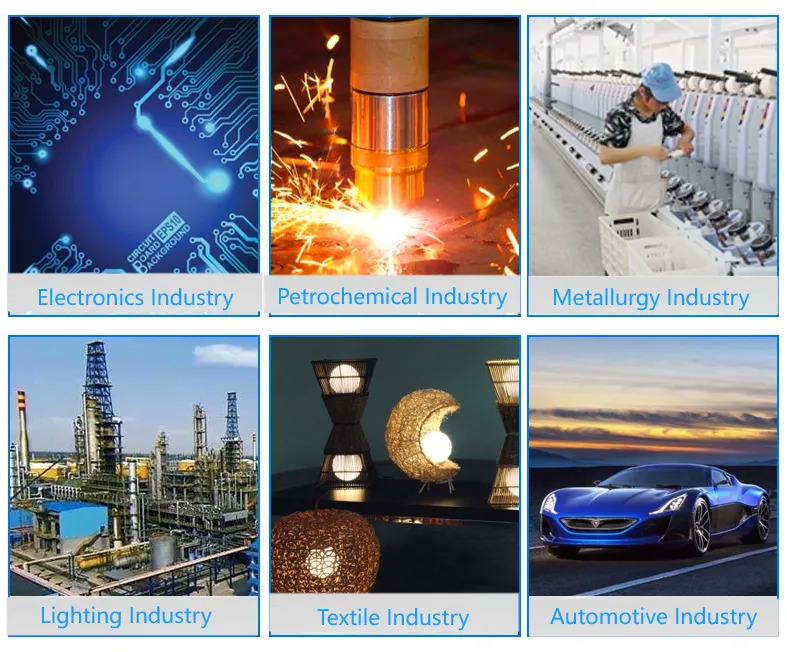
Applications of Ceramic Products
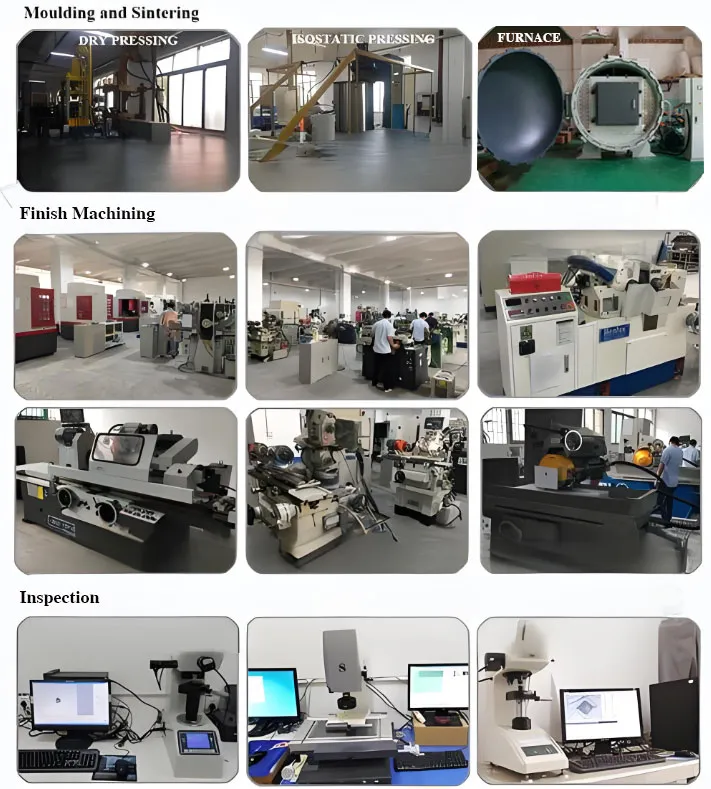
Process of Ceramic Products
Payment Term
T/T, Western Union, Paypal, Credit Card etc.
Shipment Term
By air, by sea, by express, as customers request.

5 FAQs About Boron Nitride Shafts
Q1: How to maintain Boron Nitride Shafts?
Regularly clean the shaft surface with anhydrous ethanol or ultrasonic waves to prevent dust and oil from affecting accuracy. Use Boron Nitride grease (temperature resistant up to 900°C) in high-temperature environments to reduce friction and wear. Ensure the coaxiality error between the shaft and bearing is ≤ 0.002mm during installation to avoid eccentric loads. Use flexible couplings to cushion vibrations and shocks.
Q2: What is the service life of Boron Nitride Shafts?
Normal working condition: the life of cubic boron nitride shaft can reach 500-1000 hours in high speed cutting, and the life of hexagonal boron nitride shaft exceeds 2000 hours in high temperature lubrication scenario.
Influencing factors: Load, temperature, lubrication conditions, and hardness of the material being machined are the primary influencing factors.
Q3: Why are Boron Nitride Shafts more expensive?
Boron Nitride Shafts are costly due to the high price of cubic Boron Nitride powder, which ranges from 500 to 1000 RMB/kg, approximately 5-10 times higher than tungsten carbide. The complex manufacturing process, involving high-temperature sintering and precision machining, further increases costs. For example, the CVD process for pyrolytic Boron Nitride Shafts accounts for 40% of the manufacturing cost. Additionally, the limited market scale for high-end applications makes it difficult to reduce costs through economies of scale.
Q4: What are the market trends for Boron Nitride Shafts?
Technology upgrade: R&D of nano-twinned cubic boron nitride material (hardness of 108 GPa, oxidation resistance temperature of 1294℃), which promotes performance improvement.
Application expansion: The demand for boron nitride shafts with high thermal conductivity and resistance to extreme environments is growing in new energy vehicles, 5G communications, and other fields, and the market size is expected to reach $ 277 million in 2025.
Q5: Can Boron Nitride Shafts replace ceramic shafts?
In high-speed, high-temperature, and high-corrosion scenarios, Boron Nitride Shafts offer better performance but at a higher cost. Under normal working conditions, ceramic shafts are more cost-effective.