Overview of Boron Carbide Ceramic B4C Ball
Boron carbide rounds are spherical structures made from boron carbide. Boron carbide material is famous for its extremely high solidity, high melting point, superb wear resistance and chemical stability. Due to limitations in solidity, temperature resistance or chemical reactivity, these spheres can be used in settings where standard materials are not skilled.

High Purity B4C Boron Carbide Ceramic spheres Grinding Balls
Specifications of Boron Carbide Ceramic B4C Ball
|
Property |
Specification |
|
Chemical Formula |
B₄C |
|
Hardness (Vickers) |
~35 GPa |
|
Density |
2.52 g/cm³ |
|
Melting Point |
2450°C (4442°F) |
|
Thermal Conductivity |
27-129 W/m·K (depending on purity and orien tation) |
|
Thermal Expansion Coefficient |
6.5 × 10⁻⁶ K⁻¹ |
|
Electrical Resistivity |
High (acts as an electrical insulator) |
|
Compressive Strength |
> 3.5 GPa |
|
Tensile Strength |
Relatively low due to brittleness |
|
Modulus of Elasticity |
460-500 GPa |
|
Fracture Toughness |
Low (~3 MPa·m^(1/2)) |
|
Chemical Stability |
Highly resistant to most acids, alkalis, and molten salts |
|
Neutron Absorption Cross Section |
High (~760 barns for natural boron) |
|
Corrosion Resistance |
Excellent in most environments |
|
Acoustic Properties |
Good sound damping characteristics |
|
Biocompatibility |
Generally considered biocompatible |
|
Environmental Impact |
Non-toxic; long service life reduces replacement frequency |
|
Manufacturing Process |
Hot isostatic pressing (HIP), sintering, reaction bonding, machining, polishing |
|
Typical Dimensions |
Diameter: varies by application (common sizes include 1 mm, 2 mm, 3 mm, etc.) |
|
Surface Finish |
Can be polished to high precision (Ra < 0.1 μm) |
|
Sphericity |
High precision, typically within ±0.002 mm |
|
Roundness |
High roundness, typically within ±0.002 mm |
|
Weight Tolerance |
Typically within ±0.5% |
Features of Boron Carbide Ceramic B4C Ball
Exceptionally high hardness: The Vickers solidity of boron carbide rounds is about 35 GPa, which has unrivaled wear resistance.
High melting point: The melting point of boron carbide spheres is about 2450 ° C (4442 ° F), so they can stand up to very high temperatures without substantial deterioration.
Reduced thickness: Although boron carbide has extremely high firmness, its density is fairly low, around 2.52 g/cm ³, which helps attain a lightweight style.
Chemical stability: High resistance to most acids and bases, making it suitable for usage in corrosive settings.
Thermal conductivity: Moderate thermal conductivity can achieve reliable warmth dissipation.
Electrical insulation: It can be used as a reliable electric insulator and is appropriate for electronic applications.
Neutron absorption: The high neutron absorption cross-section makes boron carbide spheres of fantastic worth in nuclear applications.
Weak: Although boron carbide is extremely hard, it is also fragile, which may limit its application in situations entailing high-impact tons.

Company Profile
Company Profile
Luoyang Tongrun Nano Technology Co. Ltd. (TRUNNANO) is a trusted global chemical material supplier & manufacturer with over 12-year-experience in providing super high-quality chemicals and nanomaterials, including boride powder, nitride powder, graphite powder, ceramic products, 3D printing powder, etc.
The company has a professional technical department and Quality Supervision Department, a well-equipped laboratory, and equipped with advanced testing equipment and after-sales customer service center.
If you are looking for high-quality Boron Carbide Ceramic B4C Ball, please feel free to contact us or click on the needed products to send an inquiry.
Payment Term
T/T, Western Union, Paypal, Credit Card etc.
Shipment Term
By air, by sea, by express, as customers request.
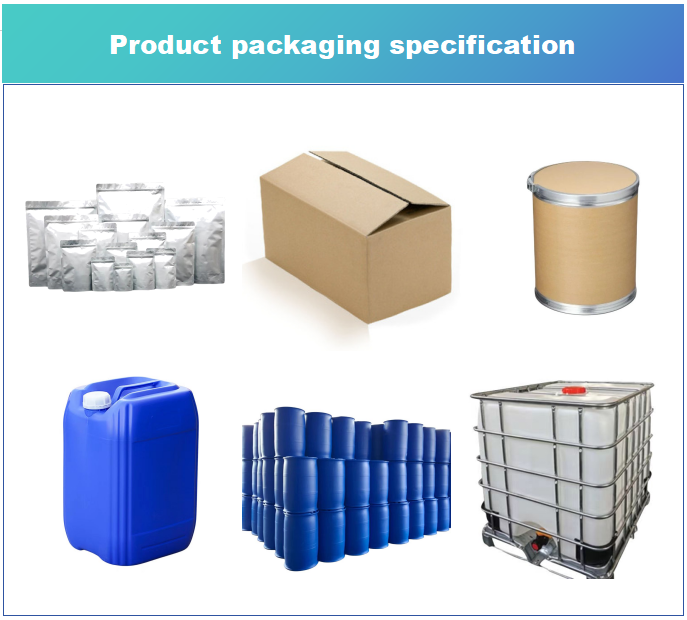
Packaging
FAQs of Boron Carbide Ceramic B4C Ball
What are the main application areas of boron carbide ceramic balls?
Boron carbide ceramic balls are widely used in several high-tech and industrial fields due to their extremely high hardness, good thermal stability and chemical inertness. They are commonly used in the manufacture of abrasive tools, wear-resistant components, neutron-absorbing materials in nuclear reactors, and ballistic components in military and personal protective equipment. In addition, they are used in special environments where corrosion resistance and high temperature stability are required.
How hard are boron carbide ceramic balls? Is it suitable for use as a grinding medium?
Boron carbide ceramic balls have a very high hardness, with a Vickers hardness of approximately 35 GPa, which makes them extremely wear-resistant and ideal for use as grinding media. They can be effectively used to grind and polish cemented carbide, gemstones and other high hardness materials with minimal wear, making them ideal for applications requiring high precision machining.
What is the maximum temperature boron carbide ceramic balls can withstand?
Boron carbide ceramic balls are capable of withstanding temperatures up to approximately 2450°C (4442°F), which indicates that they can maintain their physical properties at extreme temperatures. This characteristic makes them ideal for high-temperature applications such as high-temperature furnace linings, combustion chamber components, and other applications, ensuring reliability and stability over long periods of time in harsh conditions.
Do boron carbide ceramic balls have good chemical stability?
Yes, boron carbide ceramic balls show excellent resistance to most acid and alkali solutions, and hardly react with these chemicals, even at high temperatures. This property makes boron carbide balls particularly suitable for use as wear-resistant or structural materials in corrosive environments, such as seals and pump components in chemical equipment.
Are there any limitations to Boron Carbide Ceramic Balls?
Although boron carbide ceramic balls have many advantages, they also have certain limitations. For example, due to the inherent brittleness of the material, it may crack or shatter when subjected to severe impact or improper handling. Therefore, this should be taken into account during design and use, and appropriate precautions should be taken to avoid damage. In addition, processing boron carbide balls requires specialized techniques and tools, as its high hardness poses a challenge to conventional machining.