Overview of Boron Carbide Ceramic B4C Tube
Boron carbide (B ₄ C) tubes are specialized ceramic components that benefit from the superb residential or commercial properties of DBC to give exceptional efficiency in a range of requiring applications. A thorough overview of DBC tubes, including their features, producing procedures and crucial applications, is supplied listed below.
Boron carbide tubes are round frameworks produced from boron carbide, a product understood for its extreme solidity, high melting point, excellent wear resistance, and chemical security. These tubes are utilized in settings where conventional products would not suffice because of their restrictions in firmness, temperature resistance, or chemical reactivity.

Boron Carbide Ceramic Tube
Specifications of Boron Carbide Ceramic Tube
|
Property |
Specification |
|
Chemical Formula |
B₄C |
|
Hardness (Vickers) |
~35 GPa |
|
Density |
2.52 g/cm³ |
|
Melting Point |
2450°C (4442°F) |
|
Thermal Conductivity |
27-129 W/m·K (depending on purity and orien tation) |
|
Thermal Expansion Coefficient |
6.5 × 10⁻⁶ K⁻¹ |
|
Electrical Resistivity |
High (acts as an electrical insulator) |
|
Compressive Strength |
> 3.5 GPa |
|
Tensile Strength |
Relatively low due to brittleness |
|
Modulus of Elasticity |
460-500 GPa |
|
Fracture Toughness |
Low (~3 MPa·m^(1/2)) |
|
Chemical Stability |
Highly resistant to most acids, alkalis, and molten salts |
|
Neutron Absorption Cross Section |
High (~760 barns for natural boron) |
|
Corrosion Resistance |
Excellent in most environments |
|
Acoustic Properties |
Good sound damping characteristics |
|
Biocompatibility |
Generally considered biocompatible |
|
Environmental Impact |
Non-toxic; long service life reduces replacement frequency |
|
Manufacturing Process |
Hot isostatic pressing (HIP), sintering, reaction bonding, machining |
|
Typical Dimensions |
Inner diameter: varies by application; Outer diameter: varies by application |
|
Wall Thickness |
Customizable based on application requirements |
|
Length |
Can be manufactured in lengths suitable for specific applications |
Features of Boron Carbide Ceramic Tube
Exceptionally High Solidity: Carbide tubes have a Vickers solidity of roughly 35 Grade point average, giving unmatched resistance to abrasion.
High melting point: The melting point is about 2450 ° C (4442 ° F), enabling these tubes to endure exceptionally heats without significant deterioration.
Low Thickness: Regardless of being very hard, carbides have a reasonably reduced thickness of roughly 2.52 g/cm ³, adding to light-weight styles.
Chemical Security: Very resistant to most acids and alkalis, ideal for corrosive settings.
Thermal Conductivity: Moderate thermal conductivity enables reliable warm dissipation.
Electrical insulation: functions as a reliable electrical insulator for electronic applications.
Nuclear Absorption: High nuclear absorption cross-sectional location makes DBC tubes valuable in nuclear applications.
Applications of Boron Carbide Ceramic Tube
1. Nuclear sector
Control rods: Fluorocarbon tubes are used as neutron absorbers in nuclear reactor control rods to control the fission procedure and ensure safe and controlled operation.
Shielding components: Used for radiation shielding, preventing neutron radiation in nuclear facilities, and reinforcing security methods.
2. Industrial wear parts
Rough nozzles: Perfect for sandblasting procedures due to their outstanding wear resistance and longer service life than standard products.
Extrusion Dies: Utilized in the extrusion procedure for metals and ceramics, supplying toughness and product creating precision.
Pump cellular linings and valves: Made use of in pumps and shutoffs that deal with rough or destructive products to extend life span and minimize maintenance requirements.
3. Chemical Handling
Reactor linings: Ideal for lining reactors and vessels handling hostile chemicals, with outstanding corrosion resistance at heats.
Piping systems: for piping systems that require high resistance to chemical attack and heats, such as petrochemical plants.
4. Aerospace and support
Thermal security system: Utilized for spacecraft reentry vehicles to stop extreme warmth created throughout reentry.
Armor parts: Integrated right into individual and car shield systems for ballistic defense, integrating lightweight and high hardness.
6. Automotive industry
Engine parts: made use of for engine components calling for high wear resistance and thermal security, such as piston rings and shutoff seats.
Brake pads: Some high-performance brake pads make use of boron carbide to improve stopping performance and toughness.
8. Scientific research study
Experimental Activators: Utilized in experimental reactors and study centers to withstand extreme conditions.
High-Temperature Heating Systems: Utilized in heater cellular linings and components that have to hold up against heats without degradation.
9. Electronic tools
Heat sinks: Boron carbide has modest thermal conductivity and electrical insulation buildings and is made use of in warmth sinks for digital devices.
Insulating Elements: Used as an insulator in a selection of digital components to protect against electric short circuits and overheating.
10. Oil and gas
Downhole devices: Used for downhole devices and devices that have to function under severe problems such as high pressure and high temperature.
Corrosion-resistant pipes: made use of for pipes that need to resist corrosive fluids and heats.

Company Profile
Company Profile
Luoyang Tongrun Nano Technology Co. Ltd. (TRUNNANO) is a trusted global chemical material supplier & manufacturer with over 12-year-experience in providing super high-quality chemicals and nanomaterials, including boride powder, nitride powder, graphite powder, ceramic products, 3D printing powder, etc.
The company has a professional technical department and Quality Supervision Department, a well-equipped laboratory, and equipped with advanced testing equipment and after-sales customer service center.
If you are looking for high-quality Boron Carbide Ceramic Tube, please feel free to contact us or click on the needed products to send an inquiry.
Payment Term
T/T, Western Union, Paypal, Credit Card etc.
Shipment Term
By air, by sea, by express, as customers request.
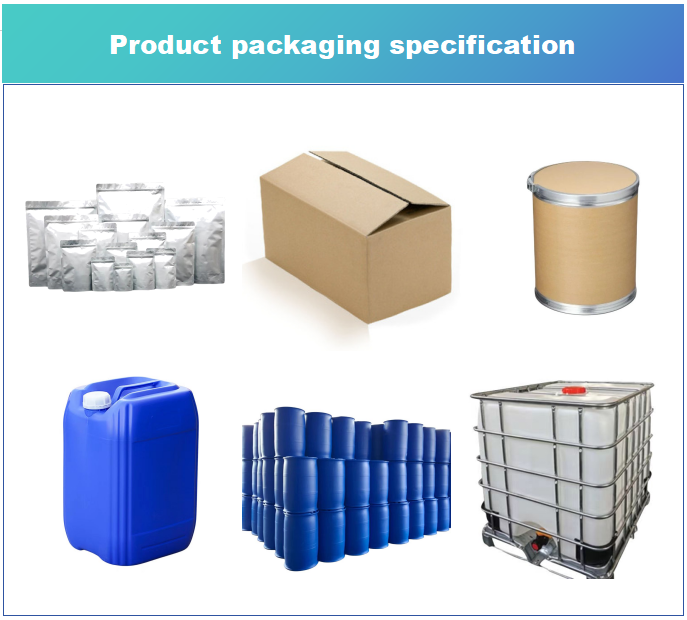
Packaging
FAQs of Boron Carbide Ceramic B4C Pipe
What is the maximum temperature boron carbide ceramic tubes can withstand?
Boron carbide ceramic tubes can operate in extremely high temperature environments, typically withstanding temperatures up to approximately 2450°C (4442°F). This high temperature resistance makes them ideal for high temperature applications such as high temperature furnace linings, combustion chamber components, and more.
How chemically stable are boron carbide ceramic tubes?
Boron carbide ceramic tubes exhibit excellent resistance to most acid and alkali solutions, and virtually no reaction with these chemicals, even at high temperatures. This makes them particularly suitable for use as wear-resistant or structural materials in corrosive environments.
Are boron carbide ceramic tubes prone to breakage?
Although boron carbide ceramic tubes are extremely hard and wear resistant, they are also somewhat brittle. They may rupture or break when subjected to severe impact or improper handling. Therefore, proper precautions should be taken during installation and use to avoid damage.
What are the processing requirements for boron carbide ceramic tubes?
Machining boron carbide ceramic tubes requires specialized techniques and tools, as its high hardness poses a challenge to traditional machining. It is often processed using diamond tools or laser cutting techniques, and the molding process may include powder metallurgy, where the final product is manufactured by pressing and sintering.
What are the applications of boron carbide ceramic tubes?
Boron carbide ceramic tubes are widely used in the nuclear industry, wear-resistant piping systems, chemical equipment, high-temperature environments, and aerospace. They are particularly suited to application scenarios where high strength, abrasion resistance, corrosion resistance and high temperature characteristics are required.