| Property | Specification |
| Chemical Name | Disodium Lauryl Sulfosuccinate |
| Chemical Formula | C₁₄H₂₄Na₂O₇S |
| Molecular Weight | 360.41 g/mol |
| Appearance | White to off-white powder or granules |
| Solubility | Soluble in water, slightly soluble in ethanol |
| pH | 5.0 - 7.0 (1% solution in water) |
| Density | 1.02 - 1.05 g/cm³ (at 20 °C, when dissolved in water) |
| Surface Tension | Low (typically < 30 mN/m at 1% solution in water) |
| Foaming Properties | Good foaming and foam-stabilizing properties |
| Wetting Properties | Excellent wetting agent |
| Emulsification | Effective emulsifier for oil-in-water emulsions |
| Stability | Stable under normal conditions; avoid high temperatures and strong acids/alkalis |
| Purity | ≥98% (by weight) |
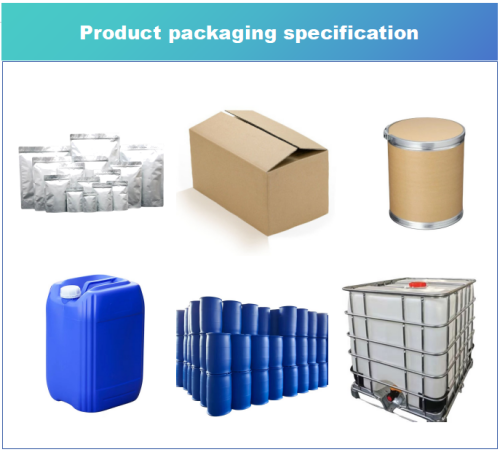
| Packaging | Typically available in 25 kg or 50 kg drums, or 1000 kg IBCs |
| Storage Conditions | Store in a cool, dry place, away from incompatible materials |
| Product Name | Short Name | Solid content | PH | Odor | Appearance |
|---|---|---|---|---|---|
| Disodium lauryl sulfosuccinate | DLS | 48% | NA | Slight characteristic odor | White with pearlescent paste |



Q1: What is Disodium Lauryl Sulfosuccinate used for?
Re: Disodium Lauryl Sulfosuccinate is a mild anionic surfactant commonly used in personal care and cosmetic products. It is often found in shampoos, body washes, facial cleansers, and baby care products due to its gentle cleansing properties and low irritation potential. It is also used as a foaming agent, emulsifier, and wetting agent. Its mild nature makes it suitable for sensitive skin and it can help reduce the irritation potential of other surfactants in the formulation.
Q2: What is the chemical formula of Disodium Lauryl Sulfosuccinate?
Re: The chemical formula of Disodium Lauryl Sulfosuccinate is C₁₄H₂₄Na₂O₇S. This formula represents the molecular structure of the compound, which includes a lauryl (C₁₂) group, a sulfosuccinate group, and two sodium ions.
Q3: How should Disodium Lauryl Sulfosuccinate be stored?
Re: Disodium Lauryl Sulfosuccinate should be stored in a cool, dry place, away from direct sunlight and incompatible materials such as strong acids or alkalis. It is recommended to store it in tightly sealed containers to prevent moisture absorption and degradation. Proper storage conditions help maintain its stability and effectiveness. The storage area should be well-ventilated, and the temperature should generally be kept between 5°C and 30°C (41°F to 86°F).
Q4: Is Disodium Lauryl Sulfosuccinate hazardous?
Re: Disodium Lauroyl Sulfosuccinate is generally considered to be a mild and safe surfactant. However, it can still be an irritant to the eyes and skin if not handled properly. It is important to handle it with appropriate personal protective equipment (PPE), such as gloves and safety goggles, and to follow the safety guidelines outlined in the Safety Data Sheet (SDS). While it is designed to be gentle, proper handling and storage are crucial to minimize any potential risks. Additionally, it is advisable to avoid inhalation of dust and to ensure good ventilation in the working area. In case of contact with the skin or eyes, rinse thoroughly with water and seek medical attention if necessary.
Disodium Lauryl Sulfosuccinate Properties |
||
| Other Names | N/A | |
| CAS No. | 19040-44-9 | |
| Compound Formula | C12H25COCH2CH(SO3Na)COONa | |
| Molecular Weight | N/A | |
| Appearance | NA | |
| Melting Point | N/A | |
| Boiling Point | N/A | |
| Density | N/A | |
| Solubility in H2O | N/A | |
| Exact Mass | N/A | |
Disodium Lauryl Sulfosuccinate Health & Safety Information |
||
| Signal Word | N/A | |
| Hazard Statements | N/A | |
| Hazard Codes | N/A | |
| Risk Codes | N/A | |
| Safety Statements | N/A | |
| Transport Information |
|
|