
Overview of Dimer Acid
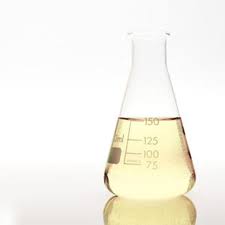
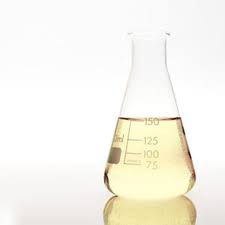
Dimeric acid, usually referring to dimeric fatty acids, is a complex mixture of components and a colorless transparent liquid. Relative density 0.95, flash point 280-350 ℃. Soluble in almost all solvents such as acetone, ethanol, ether, and aliphatic and naphtha.
(High Quality 99% Dimer Acid CAS 61788-89-4 C36H68O4 Best price)
Chemical Properties of Dimer Acid
|
Item |
TR-80 |
TR-98 |
|
viscosity 40C (mpa/s) |
6000-9000 |
5000-7000 |
|
Acid Value (mgKOH/g) |
188-198 |
190-205 |
|
Saponification Value (mgKOH/g) |
190-202 |
192-206 |
|
Colour |
8 |
4 |
|
Monomer % |
5 |
0.5 |
|
Dimer % |
78 |
98 |
|
Trimer % |
15 |
2 |
|
Phosphorus (ppm) |
30 |
- |
Application of Dimer Acid
1. Chemical industry
Dimeric acids are widely used in the chemical industry. It can be used as an important raw material for polymer materials such as synthetic resins, coatings, inks, etc. Dimeric acids have good heat resistance, weather resistance, and chemical corrosion resistance, which can improve the performance and stability of polymer materials. In addition, dimeric acids can also be used as intermediates in the synthesis of chemicals such as fragrances, dyes, and pesticides, providing specific functions and properties for these products.
2. The plastic industry
The application of dimeric acids in the plastic industry is also very important. It can be used as a raw material for plastic additives such as plasticizers, stabilizers, and anti-aging agents. By adding an appropriate amount of dimeric acid, the processing performance, mechanical properties, and heat resistance of plastics can be improved, and the service life of plastic products can be extended. In addition, dimeric acids can also be used to synthesize polyester resins for the manufacture of high-performance engineering plastics and fibers, providing diverse material choices for modern industry.
Application of Dimer Acid
3. Medical field
Dimeric acids also have important applications in the pharmaceutical field. It can be used as an intermediate in drug synthesis to synthesize compounds with specific pharmacological activities. Meanwhile, dimeric acids can also serve as excipients for drugs to improve their solubility, stability, and bioavailability. In addition, dimeric acids can also be used to manufacture medical dressings, medical devices, and other medical supplies, with good biocompatibility and biodegradability.
4. Energy sector
Dimeric acids also have certain applications in the energy field. It can be used as a fuel additive to improve fuel combustion efficiency and reduce pollutant emissions. By adding an appropriate amount of dimeric acid, the combustion performance of fuel can be improved, and the power and fuel economy of the engine can be increased. In addition, dimeric acids can also be used to synthesize renewable energy sources such as biodiesel, contributing to sustainable development.
5. Environmental protection field
With the continuous improvement of environmental awareness, the application of dimeric acids in the field of environmental protection is also receiving increasing attention. It can be used as a raw material for environmentally friendly coatings, inks and other products, which have the characteristics of low volatility, low pollution, and easy degradation, meeting environmental requirements. Meanwhile, dimeric acids can also serve as raw materials for environmentally friendly materials such as heavy metal ion adsorbents and wastewater treatment agents, providing effective solutions for environmental protection and treatment.
6. Other fields
In addition to the above-mentioned fields, dimeric acids also have certain applications in other fields. For example, it can be used as a tanning agent in leather processing, a dye additive in the textile industry, and so on. In addition, with the continuous development and progress of science and technology, it is believed that the application fields of dimeric acids will be more extensive and diversified in the future.

Application of Dimer Acid
Company Profile
Luoyang Tongrun Nano Technology Co. Ltd. (TRUNNANO) is a trusted global chemical material supplier & manufacturer with over 12-year-experience in providing super high-quality chemicals and nanomaterials, including boride powder, nitride powder, graphite powder, sulfide powder, 3D printing powder, etc.
The company has a professional technical department and Quality Supervision Department, a well-equipped laboratory, and equipped with advanced testing equipment and after-sales customer service center.
If you are looking for high-quality Dimer Acid, please feel free to contact us or click on the needed products to send an inquiry.

Company Profile
Packing of Dimer Acid
We have many different kinds of packing which depend on Dimer Acid quantity.
Dimer Acid packing: 100g, 1kg, 10kg,etc.

Packing of Dimer Acid
Payment methods of Dimer Acid
L/C, T/T, Western Union, Paypal, Credit Card etc.
Shipment of Dimer Acid
By sea, by air or by express as soon as possible once payment is received.
FAQs of Dimer Acid
Q:What are the main uses of dimer acids?
A:Dimer acids are mainly used as raw materials for the production of inks, coatings, plastic additives, lubricants, adhesives and synthetic resins. Due to its unique physical and chemical properties, dimer acid is able to improve the performance of products, such as enhancing abrasion resistance, weatherability and corrosion resistance.
Q:How is dimer acid produced?
A:The production of dimer acids is mainly achieved by chemical synthesis, a process that involves the catalytic dimerisation of long-chain monomeric fatty acids (e.g. linoleic acid) at elevated temperatures. During this process, precise control of temperature, pressure and catalyst selection is required to ensure that high purity and high yield dimer acid products are obtained.
Q:What is the environmental impact of dimer acids?
A:Dimer acid, as a biodegradable chemical, decomposes naturally after use, reducing its long-term impact on the environment. However, the wastewater and exhaust gases that may be generated during its production and treatment can still cause some negative impact on the environment if they are directly discharged without proper treatment. Therefore, the adoption of environmentally friendly production processes and effective waste treatment measures is essential to reduce the environmental impact of dimer acids.
Q:What are the types of dimer acids?
A:Depending on different raw materials and production methods, dimer acids can be classified into various types, commonly including dimer acids based on vegetable oils (e.g., soybean oil, flaxseed oil, etc.) and dimer acids based on animal fats. In addition, there are functional dimer acids obtained by specific chemical modifications, such as modified dimer acids containing epoxy groups or hydroxyl groups, which have a wider range of uses and better properties.