Overview of Alumina Ceramic Tubes
Alumina ceramic tube is a type of ceramic tube made primarily from high-purity alumina. It has high hardness, high abrasion resistance, high corrosion resistance and excellent high-temperature stability. Alumina ceramic tubes are commonly used to transport corrosive liquids and high-temperature gases and are widely used in the chemical, electronics and machinery industries. Its superior performance makes it an indispensable material in many industrial scenarios.
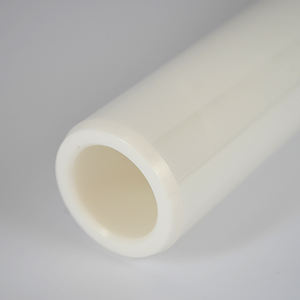
Alumina Ceramic Tubes
Alumina ceramic tube is extremely hard, which makes it perform well in various abrasive conditions, can effectively resist the wear caused by particle impact, friction, etc., and thus extend the service life, very suitable for severe wear and tear of the pipeline conveying system, such as conveying abrasive materials such as ore slurry, coal powder and other abrasive materials.
Alumina ceramic tube also has excellent chemical stability in chemical environments and can remain stable. Acids, alkalis and other chemicals are not easy to erode, so they can be used in the chemical industry to convey some corrosive liquids or gases. For example, pipes conveying hydrochloric acid, sulfuric acid and other acidic media can effectively resist chemical corrosion and reduce the frequency of pipe maintenance and replacement.
Alumina ceramic tube thermal stability is also very excellent and can be maintained in a wide temperature range of stable performance, not easy due to temperature changes generated by thermal expansion and contraction and deformation or damage. This makes it reliable in high temperature or temperature fluctuation conditions, such as in high-temperature flue gas pipes and hot air piping, and able to withstand drastic temperature changes.
In addition, alumina ceramic tubes have excellent insulating properties, which not only prevent current leakage as an electrically insulating material but also prevent static electricity buildup. This is particularly useful in piping systems that require electrical insulation, such as coal piping in the power industry, to avoid safety hazards caused by static electricity. Moreover, the smooth surface of alumina ceramic pipe can reduce the resistance of fluid flow inside the pipe, improve the conveying efficiency and reduce energy consumption.
Alumina Ceramic Tube Specification Table
| Specification |
Details |
| Material |
High-purity alumina (Al₂O₃) |
| Purity |
≥99.5% (typical) |
| Density |
3.95-4.00 g/cm³ |
| Hardness |
Mohs scale: 9 |
| Flexural Strength |
300-400 MPa (depending on grade) |
| Compressive Strength |
2500-3000 MPa |
| Tensile Strength |
100-150 MPa |
| Thermal Conductivity |
20-30 W/m·K (at room temperature) |
| Thermal Expansion Coefficient |
7-8 x 10⁻⁶ /°C (20-1000°C) |
| Dielectric Strength |
≥15 kV/mm |
| Dielectric Constant |
8-10 (at 1 MHz) |
| Loss Tangent |
≤0.001 (at 1 MHz) |
| Chemical Resistance |
Excellent resistance to acids, bases, and most organic solvents |
| Operating Temperature Range |
-50°C to 1700°C (depending on application) |
| Surface Roughness |
<0.5 µm Ra (typical for polished surfaces) |
| Dimensional Tolerance |
±0.1 mm (typical for standard tubes) |
| Length |
Customizable (typically up to several meters) |
| Inner Diameter |
1 mm to 200 mm (customizable) |
| Wall Thickness |
0.5 mm to 10 mm (customizable) |
| Finish |
Polished, unpolished, or coated (depending on application) |
| Applications |
Electrical insulation, high-temperature applications, wear-resistant components, chemical processing, semiconductor industry, etc. |
| Certifications |
ISO 9001, ASTM, JIS (depending on manufacturer) |
|
Applications of Alumina Ceramic Tubes
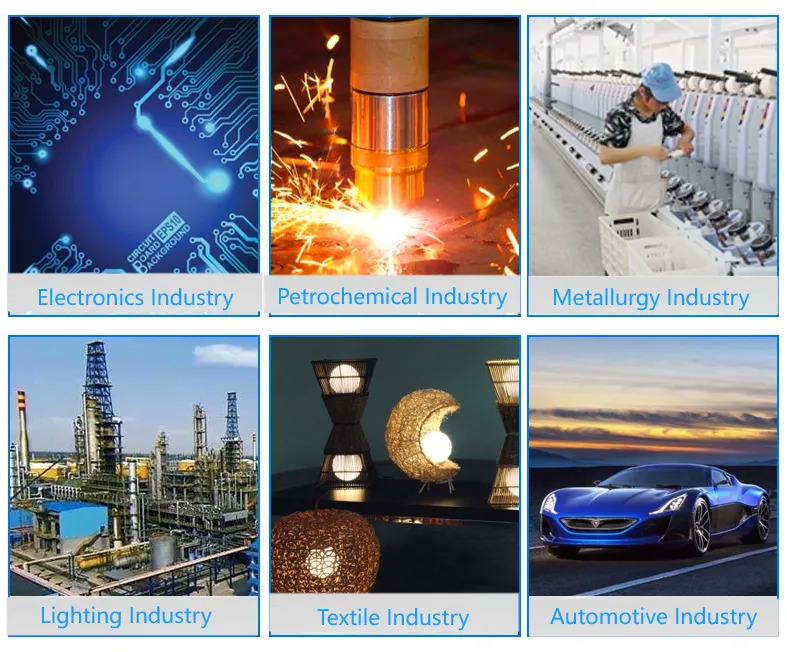
In industrial production, alumina ceramic tubes are often used to convey abrasive and corrosive materials. For example, in the mining industry, alumina ceramic tubes are used to convey slurries and mineral powders, effectively resisting the abrasion and corrosion of the materials and reducing the maintenance costs and replacement frequency of the pipes. In the chemical industry, they can be used to transport a variety of acid and alkali solutions, chemical reagents, etc., and their excellent chemical stability allows them to remain stable in an environment where a variety of chemical substances exist, thus extending the service life of the pipe.
In the electronics industry, the excellent insulating properties of alumina ceramic tubes are fully utilized, and they can be used to manufacture insulating parts for electronic components, such as in semiconductor manufacturing. Alumina ceramic tubes are also used in components such as insulators for high-voltage transmission lines to prevent current leakage and ensure safe power transmission.
In addition, alumina ceramic tubes are used in equipment and piping under high-temperature conditions, such as stovepipes for high-temperature furnaces and hot-air ducts. Their excellent thermal stability enables them to withstand high-temperature environments while maintaining structural integrity and performance stability. In the aerospace field, alumina ceramic tubes can be used to manufacture a number of key components, such as high-temperature parts of engines, sensor housings, etc., to meet the aerospace industry's high-performance requirements for materials.
In the medical field, alumina ceramic tubes make them suitable for the manufacture of medical devices, such as artificial joint parts and dental implants (dental implants), providing reliable material support for the medical industry. In short, with its various excellent performances, alumina ceramic tubes in industry, electronics, electric power, aerospace med, and other fields play an important role in the development of modern science, technology and industry to provide strong material support.
Company Profile
Luoyang Tongrun Nano Technology Co. Ltd. (TRUNNANO) is a trusted global chemical material supplier & manufacturer with over 12-year-experience in providing super high-quality chemicals and nanomaterials, including boride powder, nitride powder, graphite powder, ceramic products, 3D printing powder, etc.
The company has a professional technical department and Quality Supervision Department, a well-equipped laboratory, and equipped with advanced testing equipment and after-sales customer service center.
If you are looking for high-quality Ceramic Products please feel free to contact us or click on the needed products to send an inquiry.
Applications of Ceramic Products
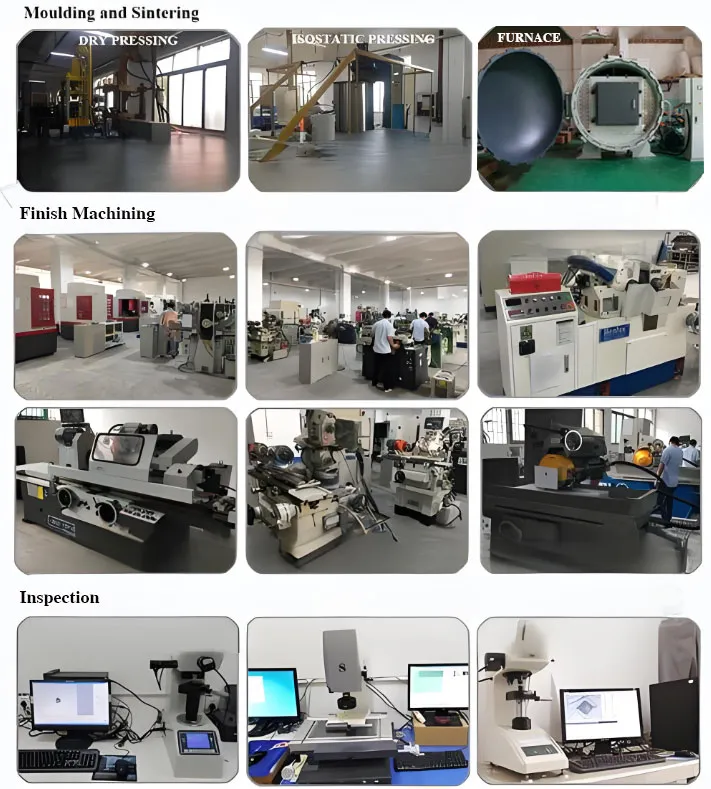
Process of Ceramic Products
Payment Term
T/T, Western Union, Paypal, Credit Card etc.
Shipment Term
By air, by sea, by express, as customers request.
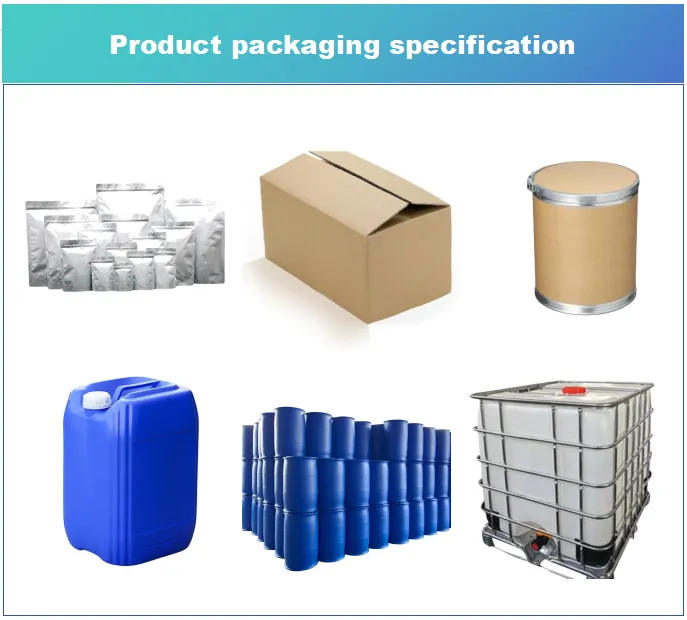
5 Frequently asked questions about alumina ceramic tubes
Q1: How to choose the right alumina ceramic tube?
When selecting alumina ceramic tubes, their specifications and performance parameters should be determined according to the specific application requirements. Different application scenarios may have different requirements for the material, such as temperature range, chemical environment, and mechanical strength. In addition, choosing a reputable supplier is an important factor in ensuring product quality.
Q2: What should I pay attention to when using alumina ceramic tubes?
When using alumina ceramic tubes, mechanical shock should be avoided as the ceramic material may break when subjected to strong impact. At the same time, please pay attention to its temperature and chemical conditions according to the specific application environment to ensure its stable performance.
Q3: What are the key points for the installation and maintenance of alumina ceramic tubes?
When installing alumina ceramic tubes, make sure that they are well-matched to the connecting parts to avoid stress concentrations due to improper installation. In terms of maintenance, check the surface regularly for cracks or wear and replace damaged parts in a timely manner to ensure proper system operation.
Q4: How do I cut aluminum oxide ceramic tubes?
Diamond Wire Cutting: Using a small diamond wire cutting machine, first mark the cutting line on the ceramic tube and make sure the marking line is straight and evenly distributed on the circumference of the tube. Then, install the diamond wire on the cutting machine, adjust the cutting parameters, such as spindle speed, cutting speed, etc., fix the ceramic tube and start the cutting machine for cutting.
Laser water jet cutting: Using the laser water jet composite processing head, the surface of the ceramic tube is firstly heated precisely with a low-power laser and then quenched quickly with a low-pressure water jet to rupture the surface of the material by generating thermal stresses, thus realizing cutting.
Q5: How do I connect an alumina ceramic tube?
When connecting alumina ceramic tubes, the tubes first need to be cut to the desired length, taking care not to use excessive force that could deform the tubes and cause them to lose roundness. After cutting, remove burrs to prevent scratching the seal. Then, mark the insertion length at the end of the tube and install the seal correctly in the groove of the tube. Next, the tube is inserted into the socket of the fitting and crimped. To crimp, place the raised portion of the tubing in the groove of the die and keep the jaws perpendicular to the axis of the tube. Finally, check the crimp dimensions using a special gauge to ensure a solid connection.