Boron Nitride Rods Overview
Boron Nitride Rods are a type of high-performance material composed primarily of boron nitride as the main raw material. It is characterized by high temperature resistance, abrasion resistance and chemical stability and can maintain good performance under extreme conditions. These rods also boast outstanding insulating properties and thermal conductivity, making them widely used in the semiconductor, metallurgical, and chemical industries. They are a new and important type of industrial material.
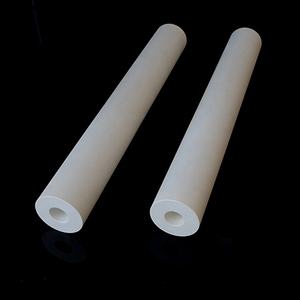
Boron Nitride Rods
Features of Boron Nitride Rods
High Heat Resistance: With a high melting point, boron nitride can maintain stable physical and chemical properties in high-temperature environments, withstanding temperatures above 1000°C. They are suitable for high-temperature industrial applications such as metallurgy and glass manufacturing.
Good Chemical Stability: Boron Nitride Rods do not easily react with acids, alkalis, and other chemicals, maintaining stable performance in harsh chemical environments. This makes them useful as corrosion-resistant components and insulating materials in the chemical and electronic industries.
High Hardness and Wear Resistance: Boron Nitride Rods have high hardness, second only to diamond, and exhibit excellent wear resistance. They can be used to manufacture high-speed cutting tools and wear-resistant molds, improving processing efficiency and mold life.
Excellent Insulating Properties: Boron nitride exhibits excellent insulating properties, boasting high resistivity and a low dielectric constant. It can effectively prevent the passage of electric current and is used for insulation packaging of electronic devices and integrated circuits, as well as an insulation layer, protecting the normal operation and safety of electronic equipment.
High Thermal Conductivity: Boron Nitride also exhibits high thermal conductivity, enabling it to conduct heat quickly. This property helps dissipate heat in high-temperature environments, making it suitable for use in areas that require efficient heat dissipation, such as the heat dissipation components of electronic devices and thermal management systems in aerospace fields.
Specifications of Boron Nitride Rods
|
Applications of Boron Nitride Rods
Semiconductor Field: Boron Nitride Rods have excellent insulating properties and high-temperature stability and are used to manufacture components such as wafer carriers and fixtures in semiconductor chip production. They maintain dimensional stability under high temperatures and high vacuums, providing high-precision support and positioning for chip manufacturing.
Metallurgical Field: In the metallurgical industry, Boron Nitride Rods are used as heating elements and furnace lining materials for high-temperature furnaces. Their high heat resistance allows them to withstand extreme temperatures and operate stably over long periods. They also have good thermal shock resistance, resisting temperature fluctuations without breaking. Their chemical stability makes them resistant to erosion by molten metals and slag, prolonging furnace lining life and reducing production costs.
Mechanical Processing Field: Due to their high hardness and wear resistance, Boron Nitride Rods are used to manufacture cutting tools and abrasives. Boron nitride cutting tools offer high cutting efficiency and extended tool life when machining hard materials, thereby improving machining accuracy and surface quality. In grinding processes, boron nitride abrasives can quickly remove material and are less prone to clogging, enabling efficient and precise grinding. They are widely used in the processing of automotive and aerospace parts.
Company Profile
Luoyang Tongrun Nano Technology Co. Ltd. (TRUNNANO) is a trusted global chemical material supplier & manufacturer with over 12-year-experience in providing super high-quality chemicals and nanomaterials, including boride powder, nitride powder, graphite powder, ceramic products, 3D printing powder, etc.
The company has a professional technical department and Quality Supervision Department, a well-equipped laboratory, and equipped with advanced testing equipment and after-sales customer service center.
If you are looking for high-quality Ceramic Products please feel free to contact us or click on the needed products to send an inquiry.
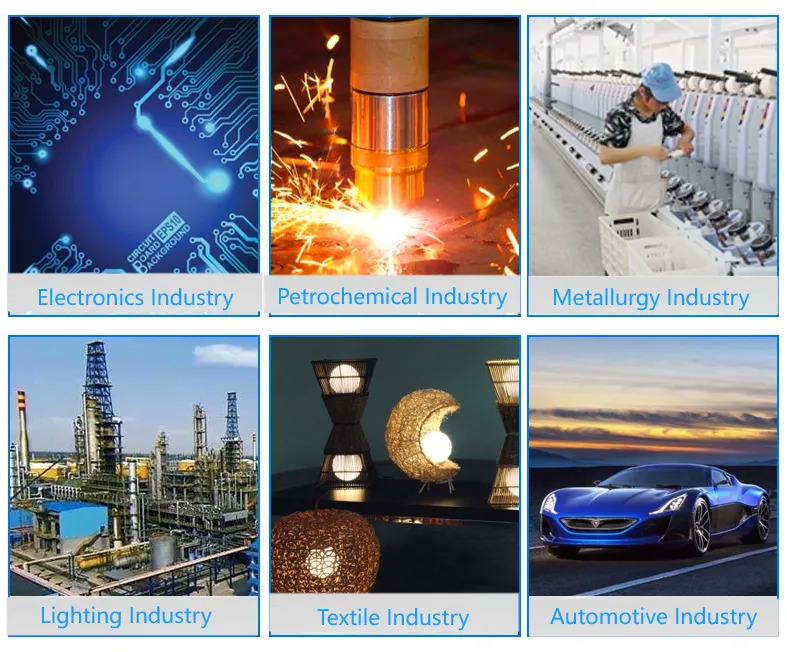
Applications of Ceramic Products
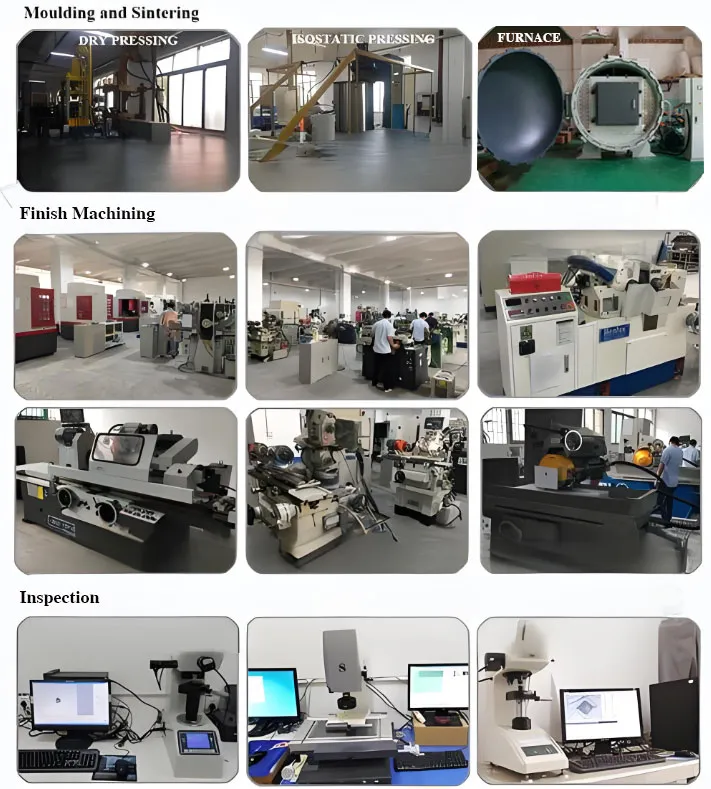
Process of Ceramic Products
Payment Term
T/T, Western Union, Paypal, Credit Card etc.
Shipment Term
By air, by sea, by express, as customers request.
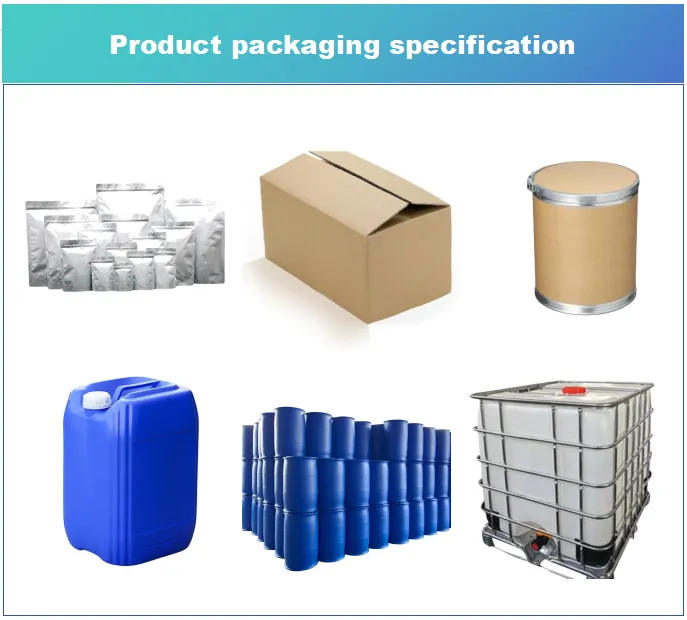
5 FAQs About Boron Nitride Rods
Q1: How difficult is it to machine Boron Nitride Rods?
Hexagonal boron nitride can be processed using conventional metal cutting technology, achieving a turning accuracy of up to 0.05 mm, making it suitable for complex shapes and geometries. Cubic boron nitride requires diamond tools or laser processing, which is more costly.
Q2: What should I pay attention to when using Boron Nitride Rods?
Antioxidant protection is necessary. In oxygen environments, hexagonal boron nitride should be used below 1000°C, with protection from coatings or inert atmospheres. Avoid mechanical shocks during installation and maintenance to prevent damage. Regularly check for surface wear and prevent contamination by impurities. Store in a moisture-proof, sealed environment away from strong oxidizing agents.
Q3: What are the manufacturing processes of Boron Nitride Rods?
Hexagonal boron nitride is commonly manufactured using high-temperature molten salt methods, chemical vapor deposition (CVD), or the borax-urea method, achieving a purity of over 99%. Cubic boron nitride requires high-temperature and high-pressure catalyst methods, which have a high technological threshold.
Q4: What is the price range of Boron Nitride Rods?
The price of common industrial-grade hexagonal boron nitride (95% purity) ranges from approximately RMB 8 to 100/kg, while high-purity (above 99%) versions can reach RMB 500 to 2000/kg. Prices are influenced by size, purity, and quantity purchased, so consulting with suppliers is recommended.
Q5: What are the advantages of Boron Nitride Rods compared to silicon carbide and alumina?
Boron nitride has 5~10 times higher thermal conductivity than alumina and a lower dielectric constant, making it suitable for high-frequency applications. Its corrosion resistance surpasses that of silicon carbide, especially in molten metal environments. Hexagonal boron nitride is also easier and less costly to process than silicon carbide.