Overview of PEG-2 Coconut oil-based Methylammonium Chloride
PEG-2 coconut oil-based methyl ammonium chloride is a surfactant, also known as quaternary ammonium salt. It is a colorless to light yellow liquid that is soluble in water and organic solvents. The preparation method of PEG-2 coconut oil-based methyl ammonium chloride often uses chemical synthesis. Generally, PEG-2 coconut oil based alcohol is reacted with methylammonium chloride to obtain the product. The specific method can be achieved through specific synthesis steps.
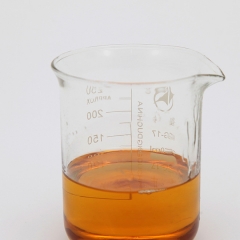
PEG-2 Coconut oil-based Methylammonium Chloride
Application of PEG-2 Coconut oil-based Methylammonium Chloride
1.Shampoo: In shampoo, PEG-2 coconut oil-based methyl ammonium chloride is used as the main surfactant, which can effectively clean hair and scalp, remove oil and dirt. At the same time, it also has mild properties and is not irritating to hair and scalp, making shampoo more warm and effective.
2.Facial cleanser: In facial cleanser, PEG-2 coconut oil-based methyl ammonium chloride can help clean facial skin, remove dirt and oil. It also has a moisturizing effect, providing long-lasting moisture to the washed skin, making it softer and smoother.
3.Shower Gel: In shower gel, PEG-2 coconut oil-based methyl ammonium chloride can effectively clean the skin, remove dirt and sweat. At the same time, it also has a moisturizing effect, providing moisture and nutrients to the washed skin, making it healthier and smoother.

Application of PEG-2 Coconut oil-based Methylammonium Chloride
4.Detergent: In detergent, PEG-2 coconut oil-based methyl ammonium chloride can effectively clean tableware and kitchen utensils. It has excellent oil and dirt removal ability, which can quickly dissolve grease and stains, making tableware and utensils cleaner and more hygienic.
5.Toothpaste: In toothpaste, PEG-2 coconut based methyl ammonium chloride can be used as a foam agent and cleaner. It can produce rich foam to help clean stains and bacteria on the surface of teeth. At the same time, it also has a protective effect on gums, protecting them from irritation and injury.

Application of PEG-2 Coconut oil-based Methylammonium Chloride
Company Profile
Luoyang Tongrun Nano Technology Co. Ltd. (TRUNNANO) is a trusted global chemical material supplier & manufacturer with over 12-year-experience in providing super high-quality chemicals and nanomaterials, including boride powder, nitride powder, graphite powder, sulfide powder, 3D printing powder, etc.
The company has a professional technical department and Quality Supervision Department, a well-equipped laboratory, and equipped with advanced testing equipment and after-sales customer service center.
If you are looking for high-quality PEG-2 Coconut oil-based Methylammonium Chloride, please feel free to contact us or click on the needed products to send an inquiry.

Company Profile
Packing of PEG-2 Coconut oil-based Methylammonium Chloride
We have many different kinds of packing which depend on PEG-2 Coconut oil-based Methylammonium Chloride quantity.
PEG-2 Coconut oil-based Methylammonium Chloride packing:1kg/bottle, 25kg/barrel, or 200kg/ barrel.
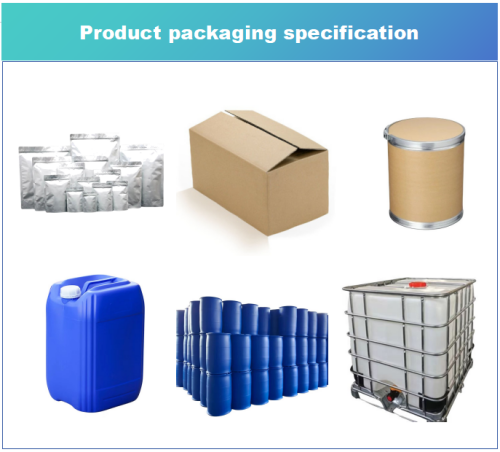
Packing of PEG-2 Coconut oil-based Methylammonium Chloride
Payment Methods of PEG-2 Coconut oil-based Methylammonium Chloride
L/C, T/T, Western Union, Paypal, Credit Card etc.
Shipment of PEG-2 Coconut oil-based Methylammonium Chloride
By sea, by air or by express as soon as possible once payment is received.
FAQs of Coco alkylbis(hydroxyethyl)methyl Ethoxylated Chlorides
Q: What is the main use of cocoalkyl bis(hydroxyethyl)methyl ethoxylated chloride?
A: Used as a mild surfactant and conditioning agent to improve skin and hair moisturisation, increase product softness and foam stability. Used as a softener and anti-static agent to improve the softness and anti-static properties of textiles, making them more comfortable. Used as a highly effective detergent for domestic and industrial cleaning, able to effectively remove grease and dirt while reducing irritation. Used as additives in plant growth regulators and pesticides to improve efficacy and dispersibility. Used as emulsifiers and dispersants to improve flow and stability of paints, inks and other industrial products.
Q: What are the physical properties of cocoalkyl bis(hydroxyethyl)methyl ethoxylated chloride?
A: Colourless to pale yellow transparent liquid or viscous liquid, depending on the degree of ethoxylation and purity. Usually a liquid with no definite melting point. Boiling point is high, usually above 200°C, depending on molecular weight. Freely soluble in water and a variety of organic solvents such as ethanol and acetone. Density about 1.0 g/cm³ (20°C), depending on the molecular structure. Stable at room temperature, but may decompose at high temperatures or under conditions of strong acids and bases.
Q: What safety precautions should be taken when using Cocoalkyl Bis(hydroxyethyl)methyl ethoxylated chloride?
A: Wear appropriate protective gloves, glasses and masks to avoid direct contact with skin and eyes. Operate under good ventilation and avoid inhaling its vapour or mist. Store in a cool, dry and ventilated place, away from sources of ignition and heat. In case of inadvertent contact with skin or eyes, flush immediately with plenty of water and seek medical help. Dispose of waste properly in accordance with local regulations to avoid pollution of the environment.
Q: What is the synthesis method for cocoalkyl bis(hydroxyethyl)methyl ethoxylated chloride?
A: Prepare raw materials such as cocoalkyl dimethylamine, ethylene oxide and chloroethanol. Cocoalkyl dimethylamine and ethylene oxide are ethoxylated in the presence of a catalyst (e.g. alkali metal hydroxide) to produce cocoalkyl bis(hydroxyethyl)methylamine ethoxylates. Chlorination reaction of the above cocoalkyl bis(hydroxyethyl)methylamine ethoxylate with chloroethanol under suitable conditions to produce the target product cocoalkyl bis(hydroxyethyl)methyl ethoxylated chloride. The unreacted raw materials and by-products are removed by filtration, washing and drying to obtain the final product. As required, the product can be further purified by distillation or column chromatography to improve its purity and quality.
Coco alkylbis(hydroxyethyl)methyl Ethoxylated Chlorides CAS 61791-10-4 Properties |
||
| Other Names | N/A | |
| CAS No. | N/A | |
| Compound Formula | N/A | |
| Molecular Weight | N/A | |
| Appearance | NA | |
| Melting Point | N/A | |
| Boiling Point | N/A | |
| Density | N/A | |
| Solubility in H2O | N/A | |
| Exact Mass | N/A | |
Coco alkylbis(hydroxyethyl)methyl Ethoxylated Chlorides CAS 61791-10-4 Health & Safety Information |
||
| Signal Word | N/A | |
| Hazard Statements | N/A | |
| Hazard Codes | N/A | |
| Risk Codes | N/A | |
| Safety Statements | N/A | |
| Transport Information |
|
|