| Specification | Typical Value |
| Appearance | White to off-white solid or paste |
| Odor | Characteristic, mild |
| pH (as 1% solution in water) | 5.0 - 7.0 |
| Active Content | ≥98.0% |
| Water Content | ≤1.0% |
| Solubility | Soluble in hot water, ethanol; insoluble in oils |
| HLB Value | Approximately 12 (indicating it is more hydrophilic) |
| Viscosity | Varies with temperature and concentration |
| Flash Point | Not applicable (due to its nature as a solid/paste) |
| Melting Range | Typically around 60°C - 70°C |
| Stability | Stable under normal storage conditions. Avoid exposure to high temperatures and direct sunlight. |
| Storage Conditions | Store in a cool, dry place away from oxidizing agents |
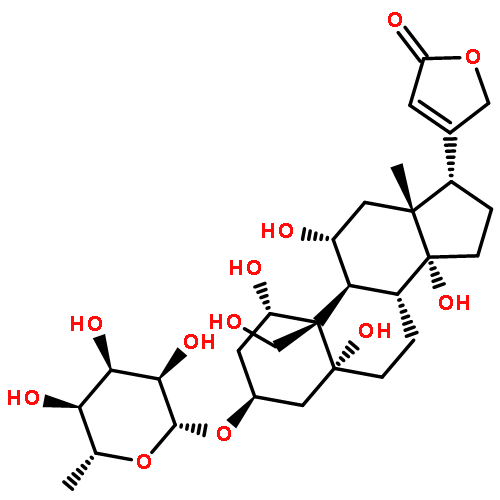
Structure of Cetearyl Glucoside (and) Cetearyl Alcohol
|
Product Name |
Short Name |
Purity |
Melting point |
|
|---|---|---|---|---|
|
Cetearyl Glucoside (and) Cetearyl Alcohol |
N/A |
N/A |
60-70℃ |
Hemispherical yellow granular solids |
Applications of Cetearyl Glucoside (and) Cetearyl Alcohol
Cetearyl Glucoside (and) Cetearyl Alcohol is a colorless to light yellow liquid or paste, stable in nature, may be harmful to the environment, special attention should be paid to water bodies. Irritation, very low irritation to skin and eyes.
Cetearyl Glucoside (and) Cetearyl Alcohol is generally colorless to light yellow particles with an HLB value of about 11, soluble in water. It is an O/W type emulsifier with strong emulsifying ability. The reason is that it can form a liquid crystal structure when used as an emulsifier, so it is also used as a liquid crystal emulsifier, without considering the molecular weight and polarity of oil. When the dosage is 1%, a stable emulsifying system can be prepared without an emulsifier. Cetyl glucoside does not contain ethylene oxide, has good biodegradability and skin affinity is a mild green raw material.
The 16-carbon chain emulsifier can emulsify fats of different polarities and molecular weights. It is easy to formulate and suitable for use with emulsifiers with high HLB value. Used in skincare products, eye creams, sunscreen, and baby products.
Cetyl alcohol, also known as palmitol or cetanol, is a naturally occurring fatty alcohol. It has excellent emollient, moisturizing and antioxidant properties and is a key ingredient in many skin and hair care products.
Cetyl alcohol is well absorbed on the skin and helps maintain the skin's water and oil balance while providing a silky touch and long-lasting moisture. In addition, it enhances the permeability of other ingredients on the skin, thus improving product effectiveness. Widely used in skin cream, hair conditioner, lip balm and other personal care products.

Company Profile
Luoyang Tongrun Nano Technology Co. Ltd. (TRUNNANO) is a trusted global chemical material supplier & manufacturer with over 12-year-experience in providing super high-quality chemicals and nanomaterials, including boride powder, nitride powder, graphite powder, sulfide powder, 3D printing powder, etc.
The company has a professional technical department and Quality Supervision Department, a well-equipped laboratory, and equipped with advanced testing equipment and after-sales customer service center.
If you are looking for high-quality Cetearyl Glucoside (and) Cetearyl Alcohol, please feel free to contact us or click on the needed products to send an inquiry.

Packing of Cetearyl Glucoside (and) Cetearyl Alcohol
We have many different kinds of packing which depend on Cetearyl Glucoside (and) Cetearyl Alcohol quantity.
Cetearyl Glucoside (and) Cetearyl Alcohol packing: 1kg/bag, 25kg/barrel, or 200kg/ barrel.

Payment methods of Cetearyl Glucoside (and) Cetearyl Alcohol
L/C, T/T, Western Union, Paypal, Credit Card etc.
Shipment of Cetearyl Glucoside (and) Cetearyl Alcoho
By sea, by air or by express as soon as possible once payment is received.
FAQs of Cetearyl Glucoside (and) Cetearyl Alcoho
What is Cetearyl Glucoside (and) Cetearyl Alcohol used for?
It is primarily used as an emulsifier and stabilizer in cosmetic formulations, helping to mix oil and water-based ingredients. Additionally, it provides conditioning benefits to the skin and hair.
Is Cetearyl Glucoside (and) Cetearyl Alcohol safe for use in cosmetics?
Yes, it is generally considered safe and is widely used in the cosmetic industry. It is approved for use by various regulatory bodies, including the European Commission and the U.S. Food and Drug Administration (FDA).
Can Cetearyl Glucoside (and) Cetearyl Alcohol be used in natural and organic products?
Yes, it is often used in natural and organic products due to its plant-derived nature. However, certification requirements can vary, so it's important to check if it meets the specific standards of the relevant certification body.
How does Cetearyl Glucoside (and) Cetearyl Alcohol improve the feel of a product?
This combination helps to create a smooth and luxurious texture in products, enhancing their spreadability and providing a non-greasy, soft after-feel on the skin.
What are the environmental and sustainability considerations for Cetearyl Glucoside (and) Cetearyl Alcohol?
Both components are derived from renewable resources, making them a more sustainable choice compared to some synthetic alternatives. However, the overall environmental impact also depends on the sourcing and production processes, which should ideally follow sustainable practices.
Cetearyl Glucoside (and) Cetearyl Alcohol Properties |
||
| Other Names | Hexadecanol glucoside; C16-18 alkyl glycoside; APG 1618 | |
| CAS No. | 246159-33-1 | |
| Compound Formula | (C6H11O5)nOR R=C16-18 | |
| Molecular Weight | N/A | |
| Appearance | Hemispherical yellow granular solids | |
| Melting Point | 60-70℃ | |
| Boiling Point | N/A | |
| Density | N/A | |
| Solubility in H2O | N/A | |
| Exact Mass | N/A | |
Cetearyl Glucoside (and) Cetearyl Alcohol Health & Safety Information |
||
| Signal Word | N/A | |
| Hazard Statements | N/A | |
| Hazard Codes | N/A | |
| Risk Codes | N/A | |
| Safety Statements | N/A | |
| Transport Information |
|
|