What is MnO2 Powder?
Manganese dioxide is an inorganic compound with the chemical formula MnO2. It is a black amorphous powder or black orthorhombic crystal. It is insoluble in water, weak acid, weak base, nitric acid, and cold sulfuric acid. For the preparation of manganese salts, also used as oxidant, rust remover, catalyst.
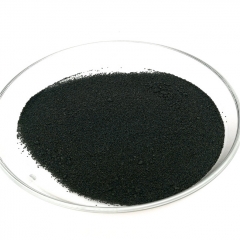
Manganese dioxide powder
| Manganese Dioxide Properties |
| Other Names |
manganese oxide, MnO2 powder |
| CAS No. |
1313-13-9 |
| Compound Formula |
MnO2 |
| Molecular Weight |
86.94 |
| Appearance |
Black Powder |
| Melting Point |
535 °C |
| Boiling Point |
N/A |
| Density |
5.03 g/cm3 |
| Solubility in H2O |
Insoluble |
| Exact Mass |
86.9279 |
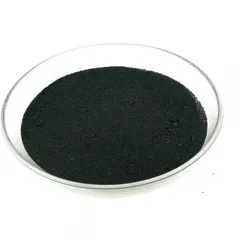
Manganese dioxide powder
Environmental Remediation and Water Treatment Applications
In recent decades, MnO2 powder has emerged as a powerful and cost-effective agent in the field of environmental remediation, particularly in water and wastewater treatment. Its strong oxidative capacity and excellent adsorption properties allow it to target a wide range of organic and inorganic pollutants.
Removal of Heavy Metals: MnO2 is highly effective in removing toxic heavy metal ions, such as lead (Pb), cadmium (Cd), copper (Cu), and zinc (Zn), from contaminated water sources. The removal mechanism primarily involves adsorption and surface precipitation. The hydroxyl groups on the surface of MnO2 particles act as active sites that bind with metal cations, effectively immobilizing them. Furthermore, MnO2 can catalyze the oxidation of certain metals, changing them into less soluble forms that can be easily filtered out.
Degradation of Organic Pollutants: The powder is widely used as a heterogeneous catalyst in advanced oxidation processes (AOPs). It can activate peroxymonosulfate (PMS) or hydrogen peroxide to generate highly reactive radicals (such as sulfate radicals and hydroxyl radicals). These radicals are capable of breaking down complex, refractory organic pollutants—including dyes, pharmaceuticals, and pesticides—into harmless inorganic compounds like carbon dioxide and water.
Arsenic and Iron Removal: In groundwater treatment, MnO2-based filters are highly efficient at removing dissolved iron and manganese, as well as metalloid contaminants like arsenic. It oxidizes soluble ferrous iron (Fe²⁺) and arsenite (As³⁺) into their respective solid precipitates (ferric iron and arsenate), which are then physically trapped within the filter media.
Odor and Color Control: MnO2 is frequently employed in municipal water treatment to control taste and odor issues caused by algae and other microorganisms. It effectively oxidizes the organic compounds responsible for unpleasant smells without introducing harmful secondary byproducts into the water supply.
5. Agricultural and Animal Nutrition Applications
While manganese is classified as a micronutrient, it plays a macro-level role in plant metabolism and animal physiology. MnO2 powder serves as a stable, slow-release source of bioavailable manganese in both agriculture and livestock farming.
Agricultural Fertilizers: Manganese deficiency in soil is a common issue that leads to reduced crop yields and poor plant health. MnO2 is processed into micronized powders and incorporated into granular or liquid fertilizers. Because it is relatively insoluble in neutral water, it does not leach away quickly from the soil profile. Instead, it slowly dissolves in response to root exudates and soil acidity, providing a sustained release of manganese ions. This nutrient is vital for photosynthesis, nitrogen assimilation, and the activation of various plant enzymes (e.g., superoxide dismutase).
Animal Feed Additives: In the animal husbandry industry, manganese is an essential trace mineral required for bone development, reproduction, and overall metabolic function. MnO2 is commonly included in premix formulations for poultry, swine, and ruminants. Its high stability ensures that it does not react negatively with other components of the feed. Once ingested, the low solubility of MnO2 allows for gradual absorption in the digestive tract, preventing toxicity while ensuring the animal receives a consistent supply of the mineral.
Silage Preservation: Some agricultural studies have explored the use of MnO2 as a silage additive. Its mild oxidative properties can help inhibit the growth of undesirable aerobic bacteria during the fermentation process, thereby improving the preservation of forage and reducing post-harvest losses.
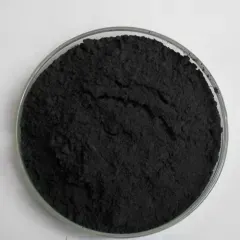
Manganese dioxide powder
6. Safety Protocols, Toxicology, and Handling Guidelines
Despite its widespread industrial utility, MnO2 powder must be handled with strict adherence to safety protocols. While it is generally considered stable and non-combustible, improper handling poses risks to human health and the environment.
Inhalation Hazards: The primary route of occupational exposure is through inhalation of airborne dust particles. Prolonged or repeated inhalation of high concentrations of MnO2 dust can lead to a condition known as manganism, a permanent neurological disorder with symptoms similar to Parkinson’s disease (tremors, difficulty walking, and psychological disturbances). Therefore, workplaces must enforce stringent dust control measures.
Personal Protective Equipment (PPE): Personnel handling MnO2 powder must wear NIOSH-approved particulate respirators or dust masks. Additionally, the use of safety goggles or face shields is mandatory to prevent eye irritation. Protective gloves and long-sleeved clothing should be worn to minimize skin contact, as prolonged exposure may cause mild dermatitis in sensitive individuals.
Storage and Disposal: MnO2 should be stored in a cool, dry, and well-ventilated area, away from incompatible materials such as strong reducing agents (e.g., aluminum powder, magnesium), finely powdered metals, and combustible organic materials. As a strong oxidizer, it can intensify fires if mixed with flammable substances. Disposal of waste MnO2 must comply with local, state, and federal environmental regulations. It should never be disposed of in standard trash or poured down drains; instead, it must be collected by licensed hazardous waste carriers.
7. Future Perspectives and Emerging Technologies
The demand for high-purity, nanostructured MnO2 powder is poised to grow exponentially as new technologies emerge. Current research is heavily focused on enhancing its performance in the following cutting-edge applications:
Supercapacitors: Researchers are developing nanostructured MnO2 (such as nanowires, nanotubes, and hierarchical porous spheres) to be used as electrode materials in supercapacitors. Its high pseudocapacitance, low cost, and natural abundance make it an ideal candidate for next-generation energy storage devices that require rapid charging and discharging cycles.
Flexible Electronics: With the rise of wearable technology, scientists are exploring the integration of MnO2 into flexible, conductive substrates. Its electrochemical stability and mechanical robustness make it suitable for printed electronics and flexible sensors.
Biomedical Applications: Early-stage research is investigating the potential of MnO2 nanoparticles as theranostic agents in biomedicine. Due to its ability to decompose endogenous hydrogen peroxide into oxygen, it is being studied for use in tumor hypoxia relief (alleviating oxygen starvation in solid tumors to improve the efficacy of chemotherapy and radiotherapy). Additionally, its strong adsorption capacity is being harnessed for the removal of heavy metal toxins from biological systems.
Manganese Dioxide (MnO2) powder is far more than just a simple black powder; it is a critical enabler of modern technology and industrial processes. From its fundamental role as a depolarizer in the batteries that power our remote controls to its sophisticated applications in environmental cleanup and advanced nanomedicine, MnO2 demonstrates remarkable chemical versatility.
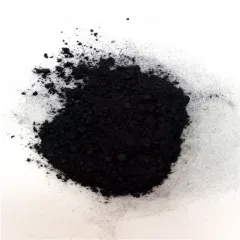
Manganese dioxide powder