SiO2
Main uses of Silicon dioxide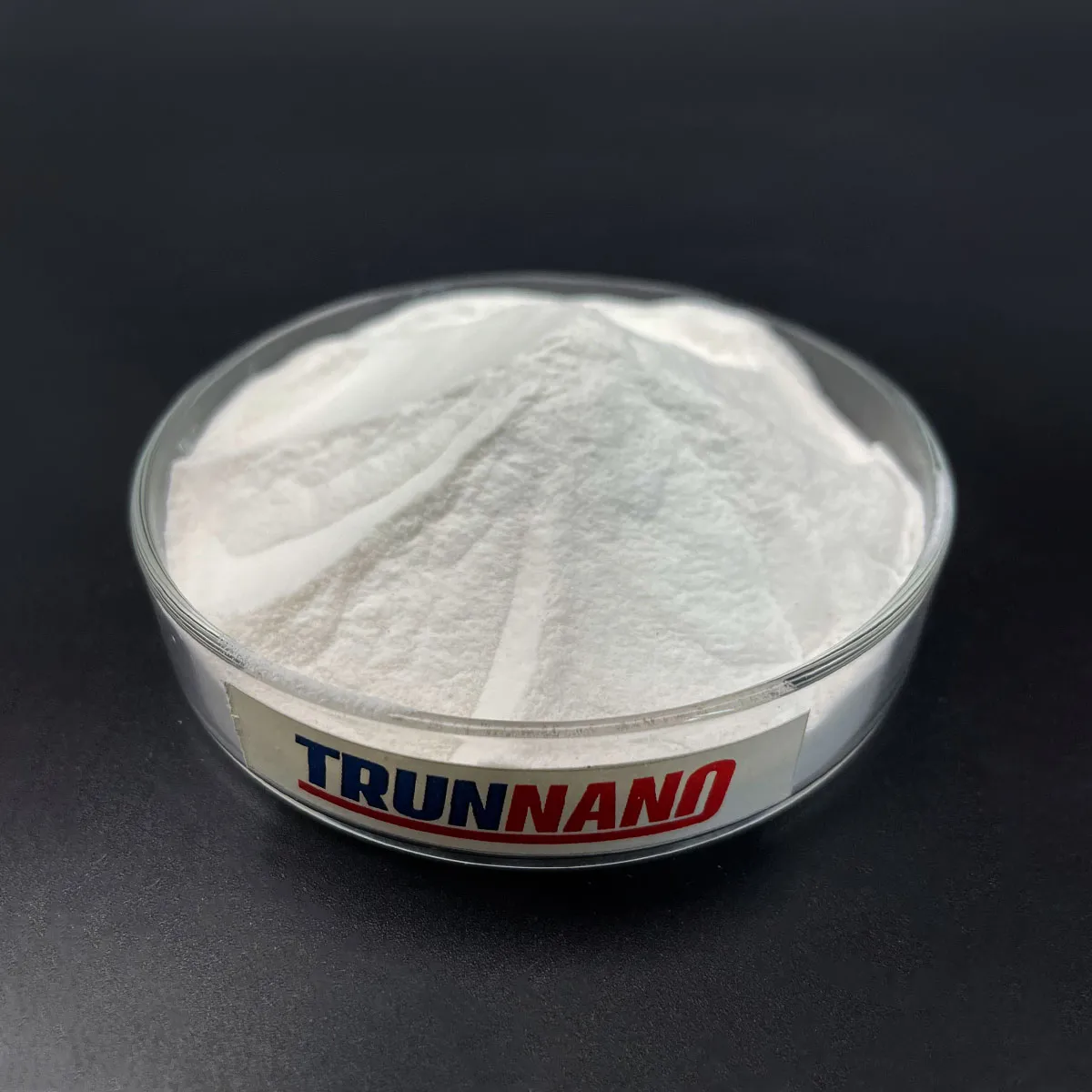
Advanced Applications of Silicon Dioxide in Modern Industry
With the continuous development of science and technology, the application field of silicon dioxide is constantly expanding, and it has become an indispensable key material in many high-tech fields.
Natural Distribution of Silicon Dioxide
Silicon dioxide is one of the most abundant compounds in the Earth’s crust, accounting for about 12% of the total mass of the crust, second only to feldspar. Its distribution is extremely extensive, covering almost all regions of the world. In nature, silica exists in two main forms: crystalline and amorphous, which are widely distributed in rocks, soils, water bodies and even organisms.
Crystalline silica is characterized by its regular and ordered atomic structure, which gives it unique physical and chemical properties different from amorphous silica. The most stable crystalline form of silica at room temperature is α-quartz, whose crystal structure belongs to the trigonal crystal system, with silicon atoms tetrahedrally coordinated with oxygen atoms, forming a dense and stable three-dimensional network structure. This structure endows α-quartz with high hardness (Mohs hardness 7), good chemical stability, and excellent thermal conductivity, making it widely used in precision instruments and industrial processing.
Different crystalline forms of silica have obvious differences in formation conditions and properties. For example, β-quartz is a high-temperature variant of α-quartz, which can only exist stably above 573℃; when the temperature drops below this value, it will slowly transform into α-quartz. Cristobalite and tridymite, although also crystalline silica, have different crystal structures from quartz—cristobalite has a cubic crystal system structure, while tridymite belongs to the hexagonal crystal system. These two minerals are mostly formed in high-temperature geological environments such as volcanic lava flows and hot springs, where the rapid cooling of silica-rich magma or hot water leads to the formation of their unique crystal structures.
Technical Parameter of Nano Silicon Dioxide Powder SiO2 Nanoparticles:
| Item Number | Appearance | Particle Size (nm) | Purity(%) | Specific Surface Area(m2/g) | PH | Properties and Applications |
|---|---|---|---|---|---|---|
| TR-SP15 | white powder | 15 | 99.8 | 250±30 | 3-6 | Small particle size, high content, large specific surface area, high transparency. |
| TR-SP30 | white powder | 30 | 99.5 | 150±30 | 7-8 | Good dispersion, high stability, good thixotropy. |
| TR-SP50 | white powder | 50 | 99.5 | 50±30 | 7-8 | Good dispersion, high stability, good thixotropy. |
| TR-SP30S oleophilic | white powder | 30 | 99.5 | 150±30 | - | Oleophilic, used for coating, plastic, rubber, ink, etc., reinforcing, toughening and wear-resisting |
| TR-SP30H hydrophilic | white powder | 30 | 99.5 | 150±30 | 7-8 | Hydrophilic, good dispersion in water, widely used in coatings, latex, and paper. |
| TR-SP30G hydrophobic | white powder | 30 | 99.5 | 150±30 | 5-7 | Hydrophobic, used for coating, plastic, rubber, ink, etc., reinforcing, toughening, and wear-resisting. |
| TR-SP30F for textile use | white powder | 30 | 99.5 | 150±30 | 7-8 | Good dispersity and high activity, good for sizing, reinforcing and wear-resisting |
Amorphous silica is more widely distributed in daily life. Opal, a precious gemstone, is a kind of amorphous silica containing water, with a beautiful luster and transparency, and is widely used in jewelry making. Diatomite is a sedimentary rock composed of the remains of diatoms (a type of plankton), which is light in weight, porous and has strong adsorption capacity, and is often used as a filter aid and adsorbent. In addition, the silica gel we usually use is also an amorphous silica, which is widely used in moisture-proof and dehumidification due to its strong water absorption.
In addition to the above forms, silica also exists in organisms. Many plants, such as rice, wheat, bamboo and other gramineous plants, contain a certain amount of silica in their tissues. The silica in plants can enhance the hardness of plant tissues, prevent them from being eaten by insects and damaged by external forces, and also help plants maintain their shape. In aquatic ecosystems, diatoms use silica to form their cell walls, which are the basis of the aquatic food chain and provide food for a variety of aquatic organisms.
Synthesis Methods of Silicon Dioxide
In addition to natural silica, people can also synthesize silica through artificial methods to meet the needs of different fields. The main synthetic methods include sol-gel method, precipitation method, thermal decomposition method and so on.
The sol-gel method is a common method for synthesizing high-purity silica. This method uses silicon alkoxides (such as tetraethyl orthosilicate) as raw materials, and forms a sol through hydrolysis and condensation reactions under certain conditions, and then forms a gel after aging. Finally, high-purity silica powder or film is obtained through drying and calcination. The silica synthesized by this method has the advantages of uniform particle size, high purity and controllable structure, and is widely used in the fields of semiconductors, optics and biomedicine.
The precipitation method is a simple and low-cost synthetic method. This method uses water glass (sodium silicate) as a raw material, and adds acid (such as hydrochloric acid, sulfuric acid) to it to make silicon dioxide precipitate. After filtration, washing, drying and other processes, silica products are obtained. The silica synthesized by this method has low purity and is mainly used in industrial fields such as rubber, plastic and coatings.
Silicon Dioxide SiO2 powder
The thermal decomposition method is to decompose silicon-containing compounds (such as silicon tetrachloride) at high temperature to generate silica. This method can synthesize high-purity silica, but the requirements for equipment are high and the energy consumption is large, so it is mainly used in the production of special high-purity silica.
Silicon dioxide is a substance with a wide distribution, diverse forms and important uses. It exists in nature in both crystalline and amorphous forms, and plays an indispensable role in daily life, industrial production and scientific research. From common building materials and daily necessities to high-tech fields such as semiconductors and optical communication, silicon dioxide has left its mark.
However, while bringing convenience to human beings, silica also has potential hazards, especially the harm of silica dust to human health. Therefore, we must take effective protective measures in the process of using and processing silica to ensure the health and safety of workers. At the same time, with the continuous progress of science and technology, we should further explore the properties and applications of silica, develop more environmentally friendly and efficient synthesis methods, and make silica better serve human society and promote the sustainable development of human society.