We use cookies to improve your online experience. By continuing browsing this website, we assume you agree our use of cookies.
Industry News

The Unsung Hero of Dry-Mix Mortars: A Deep Dive into Hydroxyethyl Methylcellulose HEMC

Views : 42
Author : Vincy
Update time : 2026-05-09 15:56:18
The modern construction industry's reliance on high-performance dry-mix mortars is largely underpinned by a specialized class of cellulose ethers, most notably the versatile and chemically fascinating additive known as Hydroxyethyl methylcellulose HEMC. If you have ever picked up a bag of premium tile adhesive, gypsum plaster, or exterior insulation render and wondered what gives it that distinct "buttery" smoothness, exceptional water retention, and resistance to sagging on a vertical wall, the answer almost certainly lies in the molecular structure of this polymer. As a researcher who has spent years analyzing the rheology of cementitious materials, I can tell you that while many people talk about its cousin HPMC, Hydroxyethyl methylcellulose HEMC holds a unique and critical position in the world of building chemicals. It acts as a multifunctional powerhouse, serving simultaneously as a thickener, a water retainer, an air-entraining agent, and a workability enhancer. Today, we are going to strip away the complex jargon and dive deep into the synthesis, the molecular mechanisms, and the practical applications of this incredible material.
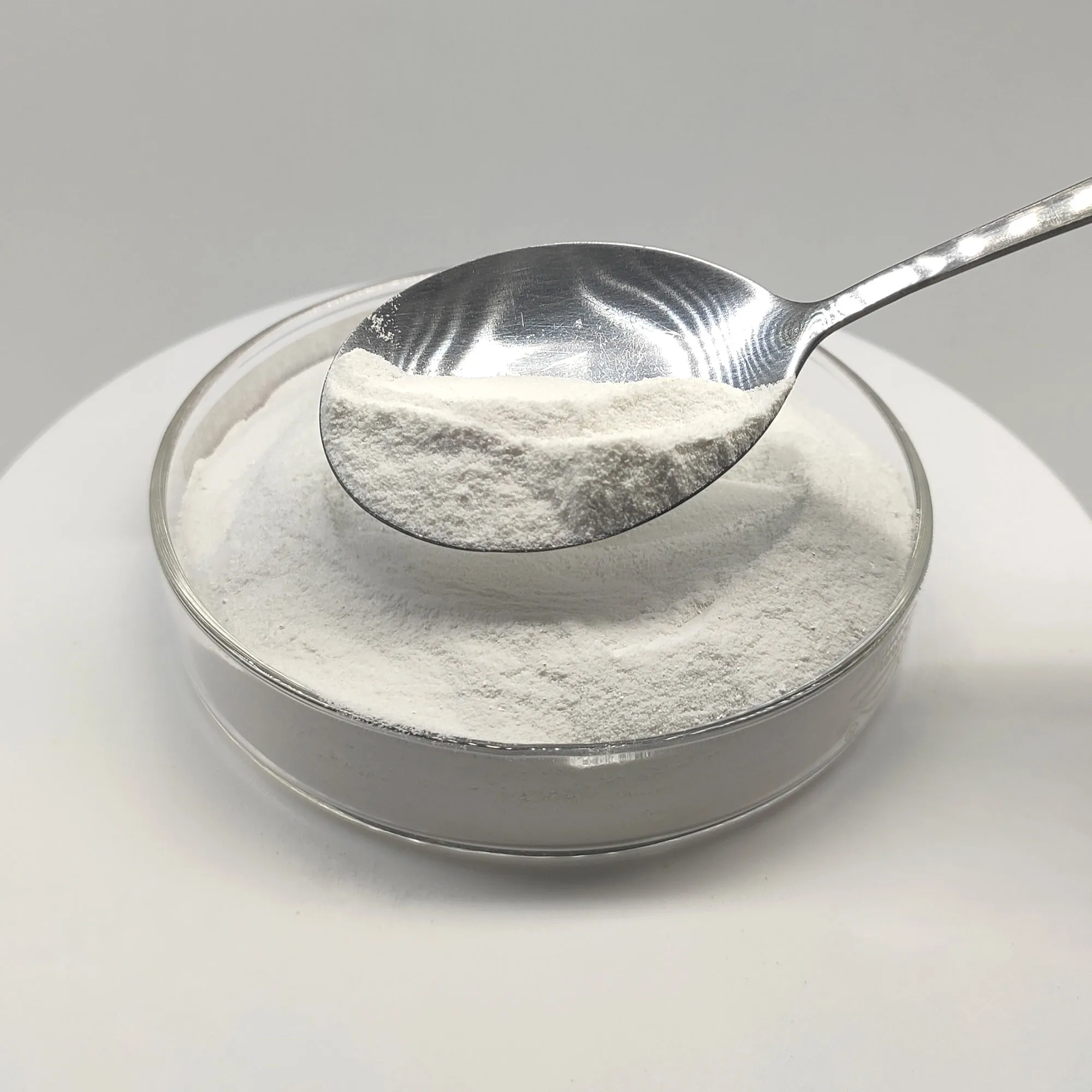
Hydroxyethyl methylcellulose HEMC
 
From Wood Pulp to High-Tech Polymer: The Chemistry
 
To truly understand Hydroxyethyl methylcellulose HEMC, we must first look at its origins. Like all cellulose ethers, it starts its life as natural cellulose, typically derived from purified wood pulp or cotton linters. This natural cellulose is a long-chain polymer made of glucose units, but in its raw form, it is insoluble in water and chemically inert in the way we need for construction. To transform it into a useful building material additive, we have to modify it chemically.
The process begins with treating the cellulose with a strong alkali, usually sodium hydroxide, which activates the hydroxyl groups on the cellulose chain. Then comes the crucial step: etherification. We introduce two different reactive agents. First, methyl chloride reacts with the cellulose to attach methyl groups (-CH3). Second, ethylene oxide reacts to attach hydroxyethyl groups (-CH2CH2OH).
This dual substitution is what defines Hydroxyethyl methylcellulose HEMC. The methyl groups provide surface activity and help with gelation properties, while the hydroxyethyl groups are highly hydrophilic (water-loving). They disrupt the tight crystalline structure of the cellulose, allowing water molecules to penetrate and solvate the polymer chains. The result is a semi-synthetic, non-ionic polymer that dissolves readily in cold water to form a clear, viscous solution. The ratio of these substitutionsknown as the Degree of Substitution (DS) for methyl groups and Molar Substitution (MS) for hydroxyethyl groupsdetermines the specific grade and performance characteristics of the final powder.
 
The Mechanism of Action: How It Works in Mortar
 
Once Hydroxyethyl methylcellulose HEMC is mixed into a mortar or concrete formulation, it goes to work immediately. Its primary function is often cited as water retention, but the mechanism is more complex than simply "holding onto water." When the powder dissolves, the long polymer chains uncoil and entangle, creating a three-dimensional network throughout the mixing water. This network significantly increases the viscosity of the aqueous phase.

This thickening effect creates a diffusion barrier around the cement or gypsum particles. In a standard cement mix applied to a thirsty brick wall, the water would be sucked out instantly via capillary action, leaving the cement unable to hydrate properly. However, the presence of Hydroxyethyl methylcellulose HEMC slows down this migration of water. It ensures that the water remains available for the chemical hydration reaction of the cement for a much longer period. This is critical because cement needs water to grow crystals (calcium silicate hydrates) which provide strength. Without adequate water retention, the mortar would dry out before it could cure, leading to a weak, dusty, and cracked finish.

Furthermore, the polymer chains adsorb onto the surface of the solid particles (cement, sand, fillers). This adsorption creates a lubricating layer, reducing friction between the particles. This is what gives the mortar its "buttery" consistency, making it easy to trowel and spread. It transforms a harsh, gritty mixture into a smooth, cohesive paste that feels almost organic to work with.
 
The "Secret Weapon": Air Entrainment and Workability
 
One of the most distinctive features of Hydroxyethyl methylcellulose HEMC, which sets it apart from other cellulose ethers like HPMC, is its surfactant character. Because of the specific arrangement of hydrophobic (methyl) and hydrophilic (hydroxyethyl) groups on its backbone, HEMC acts as a mild surfactant.
During the mixing process, this surfactant property allows HEMC to lower the surface tension of the mixing water. As the mixer churns, it naturally incorporates air. In a plain cement mix, these air bubbles are large and unstable, popping quickly or coalescing into voids that weaken the structure. However, in a mix containing Hydroxyethyl methylcellulose HEMC, the polymer molecules align themselves at the air-water interface of these bubbles. They stabilize the bubbles, breaking them down into microscopic, spherical, and stable air voids.
This phenomenon is known as air entrainment. You might wonder why we want air in concrete. The answer is workability and freeze-thaw resistance. These millions of tiny, stabilized air bubbles act like miniature ball bearings within the mortar. They improve the flow and plasticity of the mix without requiring extra water (which would weaken the final strength). This makes the mortar easier to pump, spray, or trowel. Additionally, in exterior applications, these air voids provide space for water to expand when it freezes, preventing the mortar from cracking in cold climates. While HPMC tends to have very low air entrainment, HEMC is prized specifically for this ability to create a "fluffy," workable mix.

Hydroxyethyl methylcellulose HEMC
 
Showdown of the Cellulose Ethers: HEMC vs. HPMC vs. MC
 
In the world of construction chemicals, acronyms are everywhere. Let's compare Hydroxyethyl methylcellulose HEMC with its closest relatives to understand where it fits in the family tree.
First, there is MC (Methyl Cellulose). This was the first generation of cellulose ether used in building materials. It is created using only methyl chloride. While it provides good water retention and thickening, it has significant drawbacks. It has a lower gel temperature, meaning it can turn into a gel and lose its effectiveness if the weather gets too hot (around 50°C). It also has poor solubility compared to modern derivatives and offers very little air entrainment. It is rarely used in high-performance applications today.
Then there is HPMC (Hydroxypropyl Methylcellulose). This is the most common competitor to HEMC. Instead of ethylene oxide, it uses propylene oxide to attach hydroxypropyl groups. HPMC is famous for its excellent thermal stabilityit can withstand higher temperatures without gelling. It is the gold standard for water retention and is widely used in cement-based renders and tile adhesives. However, HPMC generally has very low air entrainment. It produces a denser, heavier mortar.
This brings us back to Hydroxyethyl methylcellulose HEMC. It sits in a sweet spot. While its thermal stability is slightly lower than HPMC (though still sufficient for most construction needs, with gel points typically above 60°C), its superior air entrainment makes it the preferred choice for specific applications. If you need a lightweight, highly workable, and smooth finishlike in gypsum plasters or machine-applied rendersHEMC is often the superior choice. The air it entrains makes the material feel lighter and smoother to the applicator.
 
Application Spotlight: Gypsum Plasters and Skim Coats
 
One of the main areas where hydroxyethyl methylcellulose (HEMC) holds a dominant position is in gypsum-based products. Gypsum plaster is used for smoothing walls and ceilings. Unlike cement, gypsum sets very quickly through a crystallization process.
In this application, the water retention of HEMC is vital to control the setting time. If the water evaporates too fast, the gypsum crystals cannot interlock properly, leading to a weak surface that powders off. HEMC holds the water, allowing the crystallization to proceed slowly and evenly.
But more importantly, it is the texture. Gypsum plaster needs to be incredibly smooth and creamy. The air entrainment provided by Hydroxyethyl methylcellulose HEMC creates a fine, uniform pore structure within the wet plaster. This gives it excellent anti-sag properties (it doesn't slide down the wall) and a luxurious consistency that spreads effortlessly under a trowel. It also helps in "feathering" the edges, allowing the plaster to blend seamlessly into the existing wall surface without leaving ridges.
 
Application Spotlight: Tile Adhesives and Grouts
 
In the realm of ceramic tile installation, Hydroxyethyl methylcellulose HEMC plays a critical role, particularly in cementitious tile adhesives. When a tiler applies adhesive to a wall using a notched trowel, they create ridges. The tile is then pressed into these ridges.
The adhesive must have enough "open time"the period during which it remains tacky and capable of bonding. HEMC prevents the skin from forming on the ridges too quickly. If a skin forms, the tile won't bond, leading to hollow spots and eventual failure.
Furthermore, in tile grouts (the material used to fill the gaps between tiles), HEMC is essential for workability. Grout is often applied with a rubber float and wiped across the tiles. The lubricity provided by the polymer allows the grout to flow into narrow joints easily. The air entrainment ensures that the grout dries with a consistent color and texture, preventing shrinkage cracks that would otherwise occur as the water evaporates.

Hydroxyethyl methylcellulose HEMC
 
Interaction with Other Additives: The Redispersible Powder Synergy
 
Modern dry-mix mortars are rarely just sand, cement, and one additive. They are complex cocktails. A crucial partner for Hydroxyethyl methylcellulose HEMC is Redispersible Powder (RDP). RDP is essentially a polymer glue (often Vinyl Acetate Ethylene) turned into a powder.
While HEMC modifies the water phase (making it thick and retaining moisture), RDP modifies the solid phase (binding the particles together). The synergy between these two is fascinating. The thickened water phase provided by HEMC keeps the RDP particles suspended and distributed evenly. As the mortar dries, the water evaporates, and the RDP forms flexible polymer films that bridge the cement and sand particles.
However, formulators must be careful. Because HEMC entrains air, adding too much can reduce the density of the mortar, potentially lowering its compressive strength. Therefore, manufacturers often use defoamers in conjunction with HEMC to balance the air contentkeeping the "good" air that aids workability while eliminating the "bad" large bubbles that weaken the structure.
 
Solubility and Surface Treatment: The Cold Water Challenge
 
A common issue with cellulose ethers is how they dissolve. If you dump untreated Hydroxyethyl methylcellulose HEMC into water, the outer layer of the particles hydrates instantly, forming a slimy gel coating. This coating prevents water from penetrating the center of the particle, leading to undissolved lumps floating in your mix.
To solve this, manufacturers use surface treatments. One common method involves treating the powder with glyoxal or similar cross-linking agents. This treatment delays the solubility. When mixed with cold water, the treated particles disperse freely without clumping. Once dispersed, a change in pH or simply waiting a few minutes allows the coating to break down, and the polymer dissolves rapidly.
There is also a "hot/cold" process where the polymer is soluble in cold water but insoluble in hot water (above its gel temperature). By understanding the specific solubility curve of the HEMC grade being used, manufacturers can optimize their mixing protocols to ensure a lump-free, crystal-clear solution.
 
Environmental Impact and Safety
 
From a safety and environmental standpoint, Hydroxyethyl methylcellulose HEMC is remarkably benign. It is non-toxic and odorless. In fact, highly purified grades of cellulose ethers are used in the food industry as thickeners and stabilizers, and even in pharmaceuticals as binders for pills.
In construction, it contributes to sustainability. By improving the workability and water retention of mortars, it allows for thinner application layers. This reduces the total amount of cement and sand needed for a project. Since cement production is a major source of global CO2 emissions, any additive that allows us to use less cement while maintaining performance is a win for the environment. Furthermore, because it improves the durability and adhesion of building materials, it extends the lifespan of structures, reducing the need for repairs and reconstruction.

Hydroxyethyl methylcellulose HEMC
TRUNNANO CEO Roger Luo said:" Current research focuses on optimizing the molar substitution ratios to enhance thermal stability and compatibility with redispersible powders in sustainable green building formulations.
 
Supplier
 
TRUNNANO is a globally recognized Hydroxyethyl methylcellulose HEMC manufacturer and supplier of compounds with more than 12 years of expertise in the highest quality nanomaterials and other chemicals. The company develops a variety of powder materials and chemicals. Provide OEM service. If you need high quality Hydroxyethyl methylcellulose HEMC, please feel free to contact us. You can click on the product to contact us.
Tags: Hydroxyethyl methylcellulose, HEMC, Concrete additive
 
RNDKOREA | Sodium Silicate | Potassium Silicate | Spherical Alumina | Spherical SiO2 Powder | Zinc Sulfide ZnS Powder | 3D Printing Powder | Concrete foaming agent | Concrete Superplasticizer | Boron Nitride Powder | Nano Silicon Powder | CuO Powder | Cu2O Cuprous Oxide Powder | Cr2O3 Powder