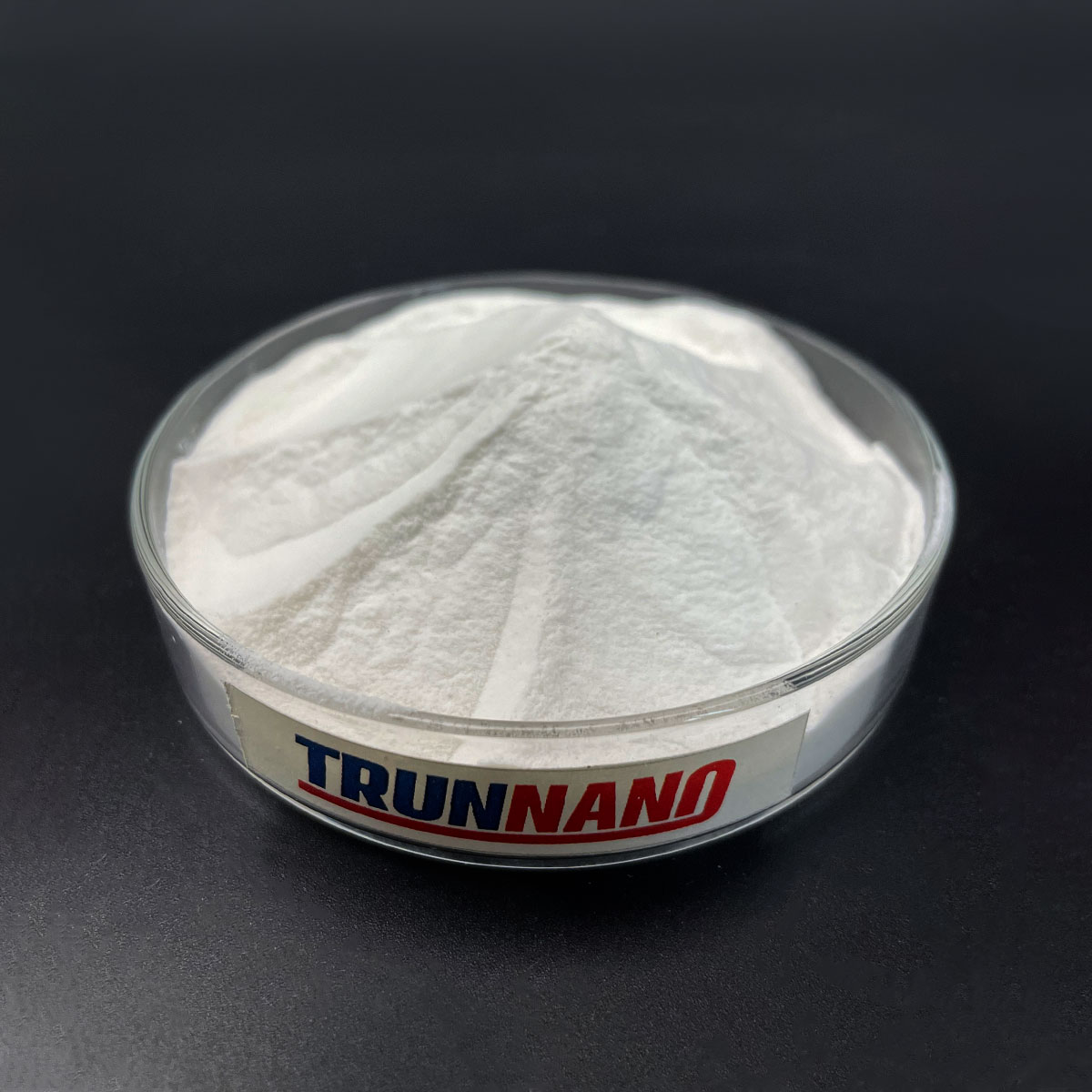
Spherical Silica: A Nanoscale Revolution in Material Science
Views : 470
Author : Vincy
Update time : 2025-10-15 14:03:45
1. The Fundamental Science of Spherical Silica
1.1Atomic Architecture and Symmetry 1.1.1 At the molecular level, spherical silica consists of SiO2 units arranged in a tetrahedral network. Unlike amorphous silica particles with irregular shapes, spherical silica exhibits uniform geometry due to controlled crystallization processes. This symmetry reduces surface defects, enhancing chemical stability.
Spherical Silica
1.1.2 The surface chemistry of spherical silica is characterized by hydroxyl groups that enable functionalization. These reactive sites allow attachment of organic molecules or metal ions, making it adaptable for diverse applications. 1.2Unique Physicochemical Properties 1.2.1 High surface area-to-volume ratio makes spherical silica ideal for catalytic reactions. Its porous structure allows efficient diffusion of reactants while maintaining structural integrity under thermal stress. 1.2.2 Optical transparency in the visible spectrum distinguishes spherical silica from opaque counterparts. This property is crucial for applications in photonics and transparent coatings.
2. Manufacturing Innovations: From Lab to Industry
2.1Sol-Gel Synthesis: Precision at the Nanoscale 2.1.1 The sol-gel process involves hydrolysis of silicon alkoxides followed by condensation. Controlled pH and temperature yield monodisperse particles with tunable sizes. This method dominates industrial production due to scalability. 2.1.2 Recent advances incorporate surfactant templates to create mesoporous structures. These engineered pores enhance adsorption capacity for environmental remediation applications. 2.2Flame Spray Pyrolysis: High-Temperature Engineering 2.2.1 Flame-based techniques utilize aerosol precursors that undergo rapid thermal decomposition. This method produces highly crystalline particles with narrow size distributions. 2.2.2 Energy-efficient designs now integrate plasma-assisted systems. These reduce carbon footprint while maintaining particle uniformity, addressing sustainability concerns.
3. Cross-Industry Applications and Case Studies
3.1Biomedical Breakthroughs 3.1.1 In drug delivery systems, spherical silica acts as a carrier matrix. Its biocompatibility and controlled release properties improve therapeutic efficacy for cancer treatments. 3.1.2 Diagnostic imaging benefits from silica’s fluorescence quenching abilities. Functionalized particles enhance contrast in MRI and fluorescence microscopy techniques. 3.2Energy Sector Transformations 3.2.1 Lithium-ion battery anodes incorporate silica composites to prevent dendrite formation. This extends battery lifespan while improving charge-discharge rates. 3.2.2 Solar energy conversion utilizes anti-reflective coatings derived from spherical silica. These coatings increase light absorption efficiency in photovoltaic cells.
4. Future Frontiers: Challenges and Opportunities
4.1Environmental Sustainability Initiatives 4.1.1 Recycling protocols for silica-based products are under development. Closed-loop systems aim to minimize industrial waste through reprocessing techniques. 4.1.2 Green synthesis methods employ plant-derived precursors. These biomimetic approaches reduce reliance on petrochemical feedstocks. 4.2Quantum Computing and Advanced Materials 4.2.1 Quantum dot encapsulation within silica matrices protects fragile emitters from environmental degradation. This enhances stability in quantum computing architectures. 4.2.2 Metamaterials research explores silica’s role in creating negative refractive index structures. These could revolutionize optical cloaking and superlensing technologies.
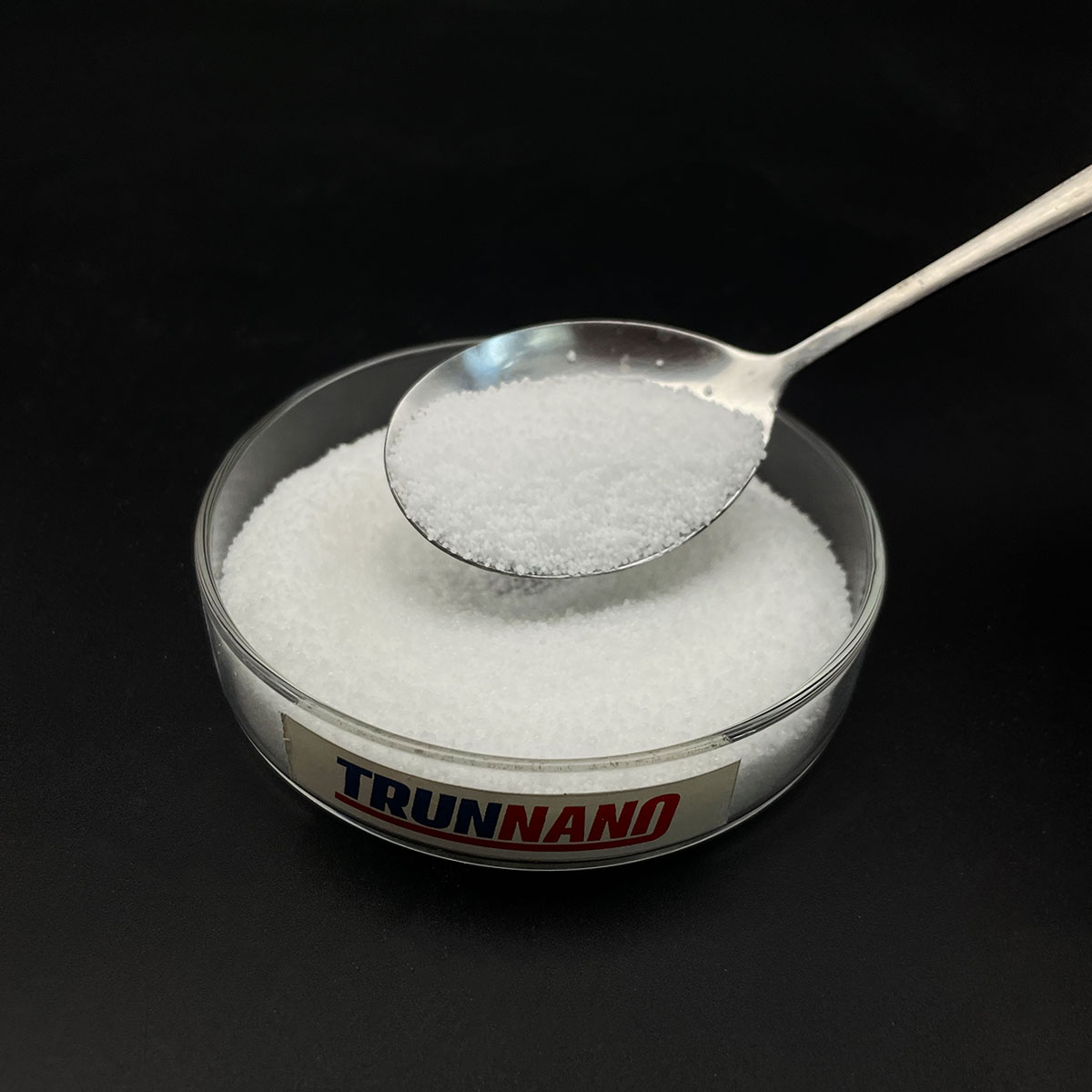
Spherical Silica
The evolution of spherical silica exemplifies how controlled nanoscale engineering transforms material properties. From its atomic-level architecture to macro-scale applications, this material bridges fundamental science with industrial innovation. Current research focuses on overcoming scalability challenges while maintaining ecological responsibility. As we unlock new functionalization methods and explore quantum-scale interactions, spherical silica will continue to redefine possibilities across science and engineering disciplines. This nanoscale marvel not only solves existing technological challenges but also paves the way for future breakthroughs yet to be imagined. Through interdisciplinary collaboration and sustained research investment, spherical silica remains a cornerstone of material science’s most exciting frontiers.
5. Supplier
TRUNNANOis a globally recognized Spherical Silica manufacturer and supplier of compounds with more than 12 years of expertise in the highest quality nanomaterials and other chemicals. The company develops a variety of powder materials and chemicals. Provide OEM service. If you need high quality Spherical Silica, please feel free to contact us. You can click on the product to contact us. Tags: Spherical Silica, silicon dioxide, Silica