What is aluminium oxide?
Alumina oxide is a stable oxide of aluminium with the chemical formula Al2O3. It is also known as bauxite in mining, the pottery industry and materials science. It is a white solid that is difficult to dissolve in water, odourless, tasteless, extremely hard, and easy to absorb but not moisture solution (burned ones do not absorb moisture). Alumina is a typical amphotropic oxide (corundum is α -shaped and belongs to the densest accumulation, is an inert compound, slightly soluble in acid and alkali corrosion resistance), can dissolve in inorganic acid and alkaline solution, almost insoluble in water and nonpolar organic solvent; relative density (d204) 4.0; melting point 2050℃. They are usually sealed for dry storage. Aluminium oxide contains elemental aluminium and oxygen. If the bauxite raw materials are after chemical treatment, remove silicon, iron, titanium and other oxides and make the product a high purity of alumina raw materials, Al2O3 content is generally above 99%. The ore phase is composed of 40% to 76% γ -Al2O3 and 24% to 60% α -Al2O3.γ-Al2O3 changed from 950 to 1200℃ to α -Al2O3 with a significant volume contraction.

Main uses of aluminium oxide
The role of alumina is very wide, such as: 1. The main components of ruby and sapphire are alumina because of other impurities and present different colours; sapphire contains iron oxide and titanium oxide and appears blue.2. The content of alumina is highest in the main component, iron and it. In industry, it is purified from the Bayer process to alumina and then transformed from the Hall-Heroult process to aluminium metal.3. Aluminum reacts with the oxygen in the air to create a dense thin film of alumina covering the aluminium surface exposed to the air.4. Aluminum is a good conductor of electricity and heat. The crystal form of alumina is suitable for grinding materials and cutting tools because of its high hardness.5. Alumina powder is commonly used as a medium for colour layer analysis.6. Make reinforced glass called transparent alumina out of alloy synthesized aluminium and rare earth. In addition, in the production of ceramics: alumina is divided into calcined alumina and ordinary industrial alumina; calcined alumina is the necessary raw material for the production of antique bricks, and industrial alumina can be used in the production of microcrystalline stone, in the traditional glaze, alumina is commonly used as whitening. Because the market favours archaized bricks and micronized, the amount of alumina also increases yearly.
Aluminium Oxide in High-Tech and Emerging Industries
Beyond the aforementioned applications, aluminium oxide plays an indispensable role in many high-tech and emerging industries, driven by its unique physical and chemical properties. In the field of catalysis, alumina is widely used as a catalyst carrier due to its large specific surface area, good thermal stability and strong adsorption capacity. It serves as a support for catalysts in the Claus process, which converts hydrogen sulfide waste gases from refineries into elemental sulfur, helping to reduce environmental pollution. Additionally, it facilitates the dehydration of alcohols to alkenes, a key reaction in organic synthesis. In the electronics industry, high-purity alumina (with Al2O3 content above 99.99%) is a critical material for manufacturing integrated circuit ceramic substrates, sensors and precision optical components, thanks to its excellent electrical insulation and high temperature resistance. Its room-temperature resistivity of 10¹² Ω·m and insulation strength of 15kV/mm make it ideal for insulating parts in electronic devices, ensuring stable operation of equipment under harsh conditions.
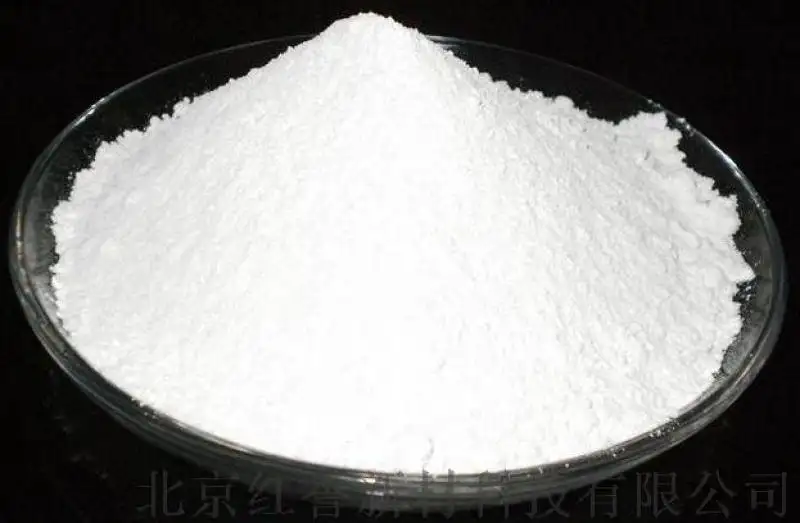
Aluminium Oxide Powder
Aluminium Oxide in Medical, Healthcare and Daily Life
In the medical and healthcare field, aluminium oxide’s biocompatibility and inertness enable its application in biological materials. It is used to produce bioceramic implants, such as artificial joints and dental prosthetics, as it can integrate well with human tissues without causing adverse reactions. Moreover, aluminium oxide nanoparticles are gaining traction in drug delivery systems, where their small size and large surface area allow for targeted drug release, improving treatment efficacy while reducing side effects. In daily life, aluminium oxide is a common ingredient in personal care products: it is added to sunscreens as a physical UV filter, and used in blushes, lipsticks and nail polishes as a white pigment or texture modifier, due to its non-toxicity and chemical inertness. It also acts as an anti-caking agent in some food products, preventing powdered ingredients from clumping together.
Production Processes of Aluminium Oxide
The production of aluminium oxide is primarily dependent on the Bayer process, which was invented by Carl Josef Bayer in 1887 and remains the dominant method for refining bauxite into alumina worldwide. The process involves four key steps: crushing, washing and drying bauxite ore; dissolving it in caustic soda at high temperatures (150 to 200℃) to form sodium aluminate; filtering to remove insoluble impurities known as “red mud”; and precipitating aluminium hydroxide crystals by seeding the solution, which are then heated to remove water and obtain alumina powder. Notably, the Bayer process also produces gallium as a byproduct, although its extraction yield is relatively low. In addition to the Bayer process, high-purity alumina can be produced by melting aluminium hydroxide with a hydrogen-oxygen flame, which yields a product with exceptional purity for high-end applications.
| Item Number | Appearance | Crystal | Particle Size (nm) | Purity(%) | Specific Surface Area(m2/g) | Applications |
| TR-LA20 | white powder | - | 10-20nm | 99.99 | 200-300 | catalyst carrier |
| TR-LA30D | white powder | - | 30nm | 99.99 | 200-300 | Lithium battery cathode material |
| TR-LA50 | white powder | - | 50nm | 99.99 | 150-200 | Catalyst carrier, flame retardant |
Global Aluminium Oxide Market Trends
The global aluminium oxide market has shown steady growth in recent years, with distinct trends in supply and demand. In 2024, the global market volume reached 160.12 million tons, growing to 164.94 million tons in 2025, and is projected to reach 215.45 million tons by 2034, with a compound annual growth rate (CAGR) of 3.01% from 2025 to 2034. Asia Pacific dominates the market, accounting for 60.24% of the global volume in 2024, driven by the presence of major manufacturers and strong demand from industries such as ceramics and electronics. By grade, metallurgical grade alumina (used primarily for aluminium smelting) held the largest market share (86.92% in 2024), while high-purity alumina is growing rapidly, fueled by demand from lithium-ion batteries and electronics. However, the market has experienced significant price fluctuations: in 2025, domestic alumina prices in China plummeted by nearly 50% from the previous year’s high, due to oversupply from increased production capacity, while downstream electrolytic aluminium prices rose sharply, creating a “two-tier” pattern in the aluminium industry chain.
Safety and Environmental Considerations of Aluminium Oxide
Despite its wide range of applications, aluminium oxide also poses certain safety and environmental considerations. While it is generally non-toxic, inhalation of fine alumina dust can irritate the respiratory system and cause long-term lung issues, so adequate ventilation and respiratory protection are required in industrial settings. Contact with the skin or eyes may also cause irritation, necessitating the use of protective clothing and goggles. Environmentally, the red mud generated during alumina production is a major concern: its alkaline wastewater can seep into soil and water sources, polluting farmland and water systems, making proper waste management and sustainable production practices crucial. To address these challenges, researchers are exploring new technologies to recycle red mud and reduce its environmental impact, while improving production efficiency to minimize resource waste.
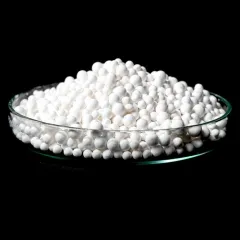
Activated Aluminium Oxide
Future Outlook of Aluminium Oxide
Looking ahead, the demand for aluminium oxide is expected to continue growing, driven by the expansion of emerging industries such as new energy vehicles, photovoltaics and AI. The increasing use of aluminium in electric vehicle bodies and photovoltaic frames will boost demand for metallurgical grade alumina, while the development of high-tech electronics and medical devices will drive the need for high-purity alumina. With ongoing technological advancements in production processes and waste management, aluminium oxide will remain a vital material in global industrial and technological development, playing a key role in promoting sustainable and innovative growth across various sectors.
Price of aluminium oxide
The different price of aluminium oxide purity is also different. The market price of aluminium oxide is in the process of dynamic change. The price of aluminium oxide can be found on our company's official website. If you need it, you can ask us at any time.
Aluminium oxide supplier
Luoyang Tongrun Nano Technology Co. Ltd. (TRUNNANO) Luoyang City, Henan Province, China, is a reliable and high-quality global chemical material supplier and manufacturer. It has more than 12 years of experience providing ultra-high quality chemicals and nanotechnology materials, including molybdenum Silicide, nitride powder, graphite powder, sulfide powder, and 3D printing powder. If you are looking for high-quality and cost-effective aluminium oxide, you are welcome to contact us or inquire at any time.