Hollow Glass Microspheres: The Invisible Giants Shaping Modern Science
Views : 303
Author : Vincy
Update time : 2025-11-13 16:57:41
1. The Science Behind the Sphere
Hollow glass microspheres (HGMs) are tiny, hollow spheres typically ranging from 1 to 500 micrometers in diameter. Composed primarily of silica-based glass, these structures owe their unique properties to their hollow core and thin walls. Unlike solid glass particles, HGMs possess an exceptionally low density—often between 0.1 and 0.5 g/cm³—making them buoyant and ideal for lightweight applications.
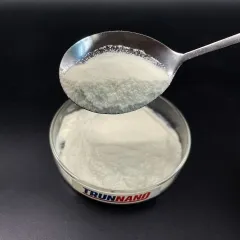
Hollow Glass Microspheres
1.1 Composition and Structure 1.1.1 Raw Materials and Chemical Makeup HGMs are synthesized from borosilicate or soda-lime glass, materials chosen for their thermal stability and chemical inertness. The hollow cavity is formed during manufacturing, where gas bubbles are trapped within molten glass. This cavity reduces the material’s density while maintaining structural integrity. 1.1.2 Physical Properties Beyond low density, HGMs exhibit high compressive strength, thermal insulation, and acoustic damping. Their spherical shape ensures uniform stress distribution, preventing cracking under pressure. These traits make them valuable in industries requiring both lightweight and durable materials. 1.2 Unique Behavior Under Stress 1.2.1 Mechanical Resilience When compressed, HGMs deform elastically before fracturing, absorbing energy without collapsing entirely. This behavior is critical in composites like automotive body panels, where impact resistance is paramount. 1.2.2 Thermal Insulation Mechanism The air trapped within the hollow core acts as a natural insulator. HGMs embedded in coatings or building materials reduce heat transfer, enhancing energy efficiency in construction and aerospace applications.
2. From Lab to Industry: Manufacturing Innovations
The production of HGMs balances precision and scalability. Two primary methods dominate the industry: direct bubbling and particle coating. 2.1 Traditional Manufacturing Techniques 2.1.1 Direct Bubbling Method Molten glass is passed through a nozzle while gas is injected, creating bubbles that solidify into spheres. This method allows control over size distribution but requires high temperatures and precise gas flow rates. 2.1.2 Sol-Gel Coating Silica sols are coated onto sacrificial templates like polystyrene beads. After drying and calcination, the templates burn away, leaving hollow glass shells. This technique enables finer size control and thinner walls. 2.2 Modern Advancements 2.2.1 Flame Synthesis In flame synthesis, glass powders are suspended in a flame, melting and forming spheres as they cool. This continuous process is efficient for mass production but demands strict control over particle trajectories to avoid agglomeration. 2.2.2 Aerogel-Templated Synthesis Aerogels, known for their low density and high porosity, are used as templates. Glass precursors infiltrate the aerogel’s pores, solidify, and are later etched to create interconnected hollow networks. This method yields ultra-low-density HGMs for specialized applications like thermal insulators in spacecraft.
3. Versatility Across Industries
HGMs’ unique properties have cemented their role in diverse sectors, from construction to biomedicine. 3.1 Aerospace and Defense 3.1.1 Lightweight Composites Aircraft and satellites benefit from HGMs in composites, reducing weight without sacrificing strength. For example, the Boeing 787 Dreamliner uses HGM-reinforced plastics in non-structural components, cutting fuel consumption. 3.1.2 Thermal Shielding Spacecraft re-entering Earth’s atmosphere face extreme heat. HGMs embedded in heat shields dissipate thermal energy efficiently, protecting both crew and equipment. 3.2 Construction and Energy 3.2.1 High-Performance Concrete Adding HGMs to concrete reduces its density by up to 30% while improving insulation. This “foamed concrete” is used in lightweight building blocks and underfloor heating systems. 3.2.2 Energy Storage In hydrogen storage tanks, HGMs provide structural support while minimizing weight. Their hollow cores also serve as micro-reactors for catalytic processes in fuel cells. 3.3 Biomedical Applications 3.3.1 Drug Delivery Systems Hollow glass microspheres can be coated with bioactive molecules and injected into the bloodstream. The spheres release drugs gradually, enabling controlled-release therapies for cancer and chronic diseases. 3.3.2 Medical Imaging Enhancers When functionalized with contrast agents, HGMs improve ultrasound and MRI imaging. Their small size allows penetration into tight tissue spaces, enhancing diagnostic accuracy.
4. Future Horizons: Challenges and Opportunities
As industries push for sustainability and efficiency, HGMs face both technical hurdles and novel applications. 4.1 Environmental Sustainability 4.1.1 Recycling Challenges Recycling HGM-containing composites is complex due to their embedded nature. Research focuses on dissolving glass matrices without degrading HGMs, enabling circular economy models. 4.1.2 Green Manufacturing Sol-gel processes using water-based sols instead of organic solvents reduce environmental impact. Biodegradable templates, like cellulose, are also being explored to minimize waste. 4.2 Cutting-Edge Research 4.2.1 Smart HGMs Researchers are developing HGMs with stimuli-responsive coatings. For instance, spheres that release drugs when exposed to specific pH levels or temperatures could revolutionize targeted medicine. 4.2.2 Quantum Applications The hollow core’s ability to trap light makes HGMs ideal for photonic crystals. These structures could enable next-generation optical devices, from ultra-efficient solar cells to quantum computers. 4.3 Economic and Regulatory Considerations 4.3.1 Cost-Reduction Strategies Scaling production while maintaining quality remains a challenge. Automation and AI-driven quality control systems are being deployed to reduce costs without compromising performance. 4.3.2 Safety Standards As HGMs enter new markets, regulatory bodies are establishing guidelines for occupational exposure and environmental impact. Transparent reporting and lifecycle assessments ensure responsible innovation.
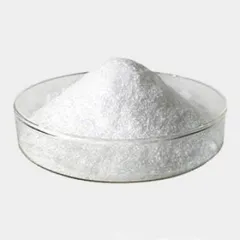
Hollow Glass Microspheres
5. Conclusion: The Unseen Revolution
Hollow glass microspheres exemplify how microscopic innovations can drive macroscopic change. From reducing the carbon footprint of skyscrapers to enabling precise cancer treatments, their impact spans industries and disciplines. As manufacturing techniques evolve and new applications emerge, these tiny spheres will continue to shape the future—quietly, efficiently, and irreplaceably. Their story is not just one of scientific achievement but of humanity’s ingenuity in solving global challenges, one sphere at a time.
Supplier
TRUNNANOis a globally recognized Hollow Glass Microspheres manufacturer and supplier of compounds with more than 12 years of expertise in the highest quality nanomaterials and other chemicals. The company develops a variety of powder materials and chemicals. Provide OEM service. If you need high quality Hollow Glass Microspheres, please feel free to contact us. You can click on the product to contact us. Tags: Hollow Glass Microspheres, glass microspheres, hollow glass spheres