
By Trunnano | 24 March 2022 | 1 Comments
The Applications of Niobium Carbide Powder
Overview of Niobium Carbide Powder
Niobium carbide (NBC and Nb2C) is a very hard refractory ceramic material that is commercially used for cutting tool tips. It is usually processed by sintering and is a common additive in cemented carbide as a grain growth inhibitor. The appearance is brown-gray metal powder with purple luster and high corrosion resistance.
Niobium carbide can be produced by heating niobium oxide at 1800°C in a vacuum and adding coke.
Niobium carbide NBC powder is a dark gray-brown powder with cubic crystal structure and metallic luster. It is stable at 1000 to 1100°C and rapidly oxidizes to niobium pentoxide above 1100°C.
Niobium carbide NBC powder has good chemical stability and high temperature performance. It is a material with high melting point and high hardness.
Niobium carbide NBC powder is insoluble in hot and cold hydrochloric acid, sulfuric acid and nitric acid, and soluble in a mixed solution of hot hydrofluoric acid and nitric acid.
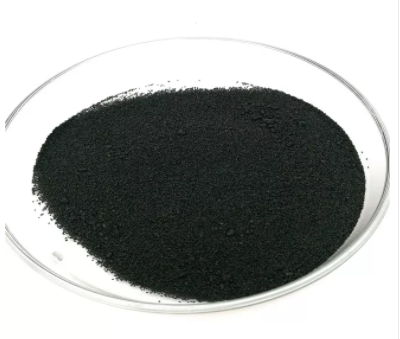
As a partial substitute for tantalum carbide, NbC powder is widely used in high-temperature refractory materials and carbide additives
1. As a carbide additive, it is ternary and quaternary carbide solid solution components, such as WC-NBC-C ternary system, etc. It can also be used as a purple artificial gem.
2. Used for the production of wear-resistant film and the semiconductor film. It can also be used as raw material to produce molybdenum carbide. It can be used to manufacture special alloys and engineering ceramics without chromium.
The main supplier of Niobium Carbide Powder
Luoyang Trunnano Tech Co., Ltd (TRUNNANO) is a professional carbide powder supplier with over 12 years of experience in chemical products research and development. We accept payment via Credit Card, T/T, West Union, and Paypal. Trunnano will ship the goods to customers overseas through FedEx, DHL, by air, or by sea.
If you are looking for high-quality boron carbide powder, please feel free to contact us and send an inquiry.
Recently Reviews
Read MoreLeave a Reply
Your email address will not be published.Required fields are marked. *