Introduction to Zinc Sulfide ZnS Powder
Zinc sulfide is an inorganic compound with the chemical formula ZnS. It is a white or yellowish powder that darkens when exposed to sunlight. It is stable in dry air, and for a long time in humid air, it will gradually oxidize to zinc sulfate. It is usually produced by the action of hydrogen sulfide with zinc salt solution. Zinc sulfide has an excellent fluorescence effect and electroluminescence function. In particular, nano zinc sulfide has a unique photoelectric effect, and it presents many excellent properties in the fields of electricity, magnetism, optics, mechanics, and catalysis.
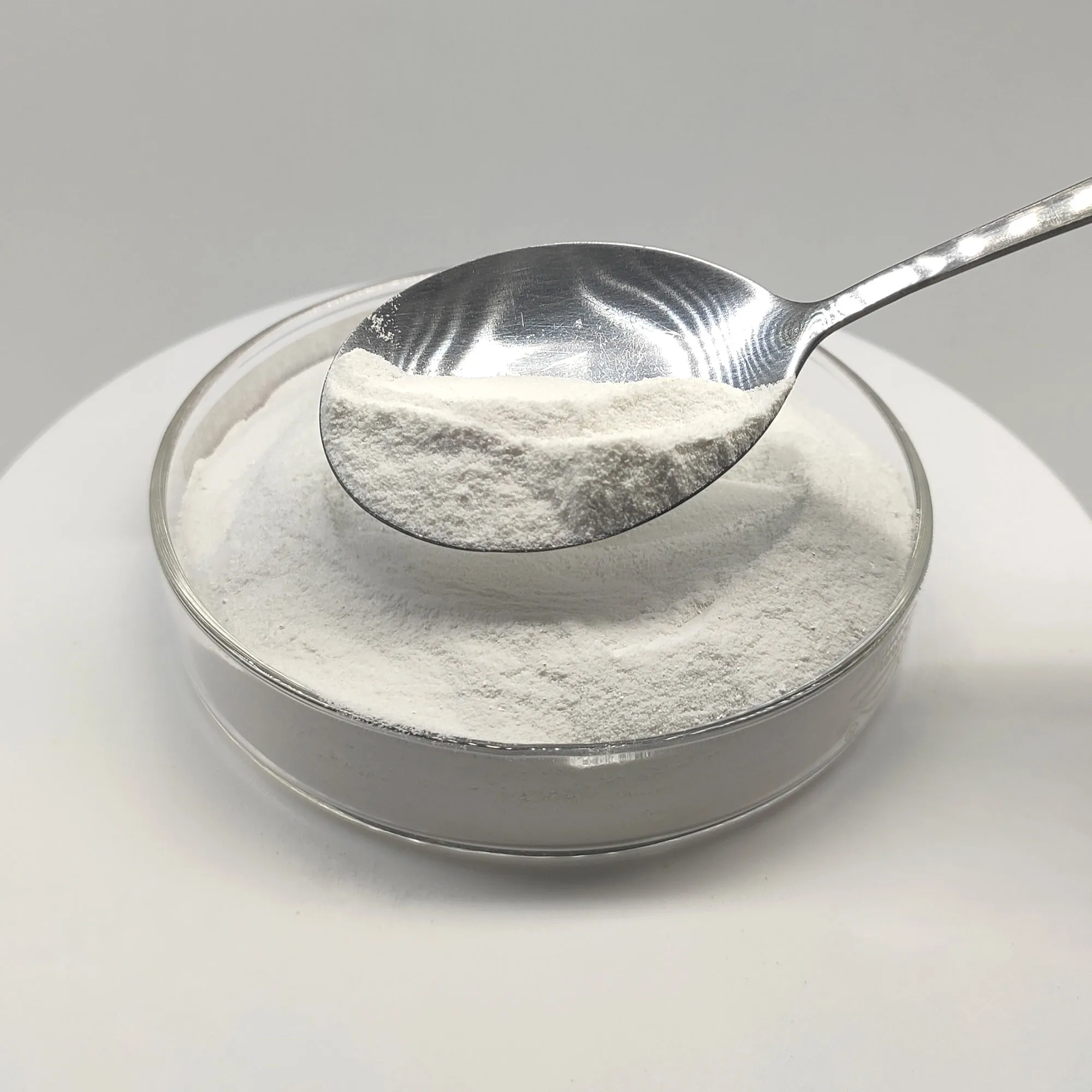
Zinc Sulfide ZnS Powder
Physicochemical Properties of Zinc Sulfide ZnS Powder
The chemical bond between Zn and S of zinc sulfide tends to be covalent. The crystal has three different configurations: low-temperature type, that is, sphalerite structure, which is abundant in nature, colorless cubic crystal, the Zn, S coordination number is 4, and the relative density is 4.10. At 1020℃ it will transfer to high-temperature type; High-temperature type, that is, wurtzite structure, colorless hexagonal crystal, Zn, S coordination number are 4, the relative density is 3.98, melting point is about 1700℃. It is a zinc sulfide high-temperature stable structure; High-pressure type, namely sodium chloride structure, Zn, S coordination number are 6, the relative density is 5.21. There is also an aqueous compound ZnS·H2O, which is a white powder with a relative density of 3.98 and a melting point of 1049℃. Zinc sulfide is insoluble in water and dilute alkali, and insoluble in acetic acid, but soluble in low concentrations of strong acids such as hydrochloric acid, which release hydrogen sulfide. The solubility product of zinc sulfide is similar to the K1·K2 value of hydrosulphuric acid, so the following equilibrium exists in dilute acid:
Zn2+H2S=2H+ZnS
It can be seen that in the highly acidic zinc salt solution, hydrogen sulfide gas cannot get zinc sulfide precipitation. In zinc salt solution, hydrogen sulfide gas is introduced, zinc sulfide precipitation can be obtained, but the precipitation is not complete. Using ammonium sulfide solution as precipitant, zinc ions in zinc salt solution can be precipitated into zinc sulfide completely, because ammonium sulfide solution is alkaline, the acidity of the system can be reduced. In industry, the above method should be used to isolate air. White zinc sulfide darkens when exposed to light and is easily oxidized to zinc sulfate in air. Zinc sulfide can be used as a white paint pigment by itself or in combination with zinc oxide. Pure zinc sulfide does not emit light. If trace manganese, copper, and silver are added to zinc sulfide crystals as activators, they can emit different colors of fluorescent light after light irradiation, which is called fluorescent powder and is used to make fluorescent screens and luminous paint. Zinc sulfide is also used in leather, enamel, rubber, dye, and other industries.
Zinc sulfide is corrosive and poisonous. It can irritate the skin. Operators should wear overalls and protective equipment. The workshop should be well ventilated.
| Zinc Sulfide ZnS Powder Properties |
| Other Names |
ZnS powder, zinc sulphide |
| CAS No. |
1314-98-3 |
| Compound Formula |
ZnS |
| Molecular Weight |
97.45 |
| Appearance |
white to off-white powder |
| Melting Point |
1830°C |
| Boiling Point |
N/A |
| Density |
4.1g/cm3 |
| Solubility in H2O |
insoluble |
| Exact Mass |
N/A |
Preparation Methods of Zinc Sulfide ZnS Powder
Double decomposition method: Add zinc sulfate solution to the reactor, and slowly add ammonium sulfide for double decomposition reaction under stirring. Zinc sulfide and ammonium sulfate will be generated, then remove ammonium sulfate by filtration, and then by evaporation concentration, cooling crystallization, centrifugal separation, zinc sulfide will be produced
ZnSO4+(NH4)2S---ZnS+(NH4)2SO4
Zinc Sulfide ZnS Powder
Applications of Zinc Sulfide ZnS Powder
1. Can be used as analytical reagents, phosphor matrix, photoconductor material; Or used for dyes, coatings, pigments, glass, curing oil manufacturing, etc.
2. Zinc sulfide is widely used in the production of infrared windows, fairing, and infrared optical elements. It has characteristics of high purity, insoluble in water, moderate density, and easy processing. Zinc sulfide has good refractive index uniformity and consistency. It has good image transmission performance in the band range of 8-12μm, but some of it begins to absorb after 10um. In the middle infrared band, the transmittance is higher, and the absorption and scattering are enhanced along with the shorter wavelength. Zinc sulfide has strong resistance to the harsh environment, and the high hardness and fracture strength are twice that of Zinc Selenide.
Tough front optics for zinc sulfide thermal imaging systems for infrared windows and thermal bands (8 to 14μm).
Single-crystal zinc sulfide is available but not common. The scattering is very low in the usual spectral range. It can be used as a high-power laser device under the condition of strictly controlling the bulk absorption and internal structural defects of the material and adopting the polishing technology with small damage degree and the coating technology with the highest optical quality.
Zinc sulfide oxidizes significantly at 300℃, exhibits plastic deformation at about 500℃, and dissociates at about 700℃. For safety reasons, zinc sulfide windows should not be used above 250°C in a normal atmosphere.
3. Used for optical coating target, X-ray screen, the luminescent dial by adding a trace amount of radium or neothorium salt, TV screen, and pigment for paint.
Advanced Optical Physics and Luminescence Mechanisms
To truly appreciate the versatility of zinc sulfide, one must delve into the quantum mechanics governing its interaction with light. Zinc sulfide is a direct bandgap semiconductor belonging to the II-VI family. The energy gap of approximately 3.54 electron volts corresponds to ultraviolet photons, which explains why pure ZnS is transparent to visible light. However, the magic of this material lies in its ability to host impurity centers that act as artificial atoms, capturing and re-emitting light at longer wavelengths.
The luminescence of ZnS is not an intrinsic property of the perfect crystal lattice but arises from carefully introduced defects or dopant ions. When trace amounts of copper are incorporated during synthesis, the copper ions substitute for zinc ions in the lattice. These copper centers create discrete energy levels within the forbidden gap. Under excitation by high-energy photons or electrons, electrons are promoted to the conduction band, leaving behind holes. These charge carriers migrate through the crystal until they are captured by the copper activators. When an electron recombines with a hole trapped at a copper center, the energy is released as a photon with a wavelength around 520 nanometers, giving off a characteristic greenish-blue glow. Similarly, silver doping shifts the emission toward the blue region, while manganese doping produces a vibrant orange-yellow light. This tunability makes ZnS the historical backbone of cathode ray tubes, early television screens, and radar displays.
Zinc Sulfide ZnS Powder
The transition from bulk crystals to nanoscale materials has unlocked extraordinary new behaviors in zinc sulfide. When the physical dimensions of a ZnS particle shrink below the Bohr exciton radius—approximately five nanometers—quantum confinement effects dominate. In this regime, the electronic wavefunctions are squeezed, effectively widening the bandgap and altering the optical properties. Smaller nanoparticles emit blue light, while larger ones emit yellow or red.
Modern colloidal synthesis allows for exquisite control over these nanostructures. By injecting organometallic precursors, such as dimethylzinc and bis(trimethylsilyl)sulfide, into hot coordinating solvents like trioctylphosphine oxide, scientists can grow monodisperse ZnS nanocrystals with precise diameters. These quantum dots are often capped with a shell of another semiconductor, such as zinc selenide or cadmium sulfide, to passivate surface defects and enhance quantum yield. The resulting core-shell structures exhibit near-unity photoluminescence efficiency and are being commercialized for next-generation quantum dot televisions, where they provide unparalleled color purity and energy efficiency compared to traditional LCD or OLED displays.
Infrared Optics and Military Applications
Beyond its visible luminescence, zinc sulfide possesses a unique optical window stretching from the visible spectrum deep into the infrared, up to fourteen micrometers. This property is critical for defense and aerospace technologies. Multispectral zinc sulfide, often produced via chemical vapor deposition, is the material of choice for the domes of infrared-guided missiles and the windows of forward-looking infrared (FLIR) cameras.
In these applications, the material must withstand extreme conditions. As a missile travels at supersonic speeds, aerodynamic heating raises the dome temperature to hundreds of degrees Celsius. Zinc sulfide maintains its structural integrity and optical transparency under these thermal stresses, allowing the guidance system to track targets accurately. Furthermore, its resistance to rain erosion and sand impact ensures reliability in harsh environments. The ability to transmit both visible and infrared light also enables dual-mode sensors that can operate in daylight and darkness, a crucial capability for modern surveillance and targeting systems.
Photocatalysis and Environmental Remediation
The wide bandgap of zinc sulfide also makes it a potent photocatalyst for environmental cleanup. When illuminated with ultraviolet light, ZnS generates electron-hole pairs with strong reducing and oxidizing power. These charge carriers migrate to the surface and participate in redox reactions with adsorbed molecules.
In water treatment, ZnS photocatalysts can degrade persistent organic pollutants, such as dyes, pesticides, and pharmaceutical residues, breaking them down into harmless carbon dioxide and water. The process is particularly effective for removing heavy metals like chromium(VI) from wastewater by reducing it to the less toxic chromium(III). Researchers are enhancing the photocatalytic efficiency of ZnS by coupling it with other semiconductors like titanium dioxide or graphitic carbon nitride to form heterojunctions. These composite materials extend the light absorption into the visible range and reduce the recombination rate of electron-hole pairs, paving the way for solar-powered water purification systems.

Zinc Sulfide ZnS Powder
The biocompatibility and optical properties of zinc sulfide have opened new frontiers in medicine. ZnS nanoparticles, especially when doped with manganese or copper, serve as stable, non-toxic fluorescent probes for cellular imaging. Unlike organic dyes that quickly bleach under light, ZnS phosphors are photostable and can be tracked inside living cells for extended periods.
More advanced applications involve theranostic nanoparticles that combine diagnostic and therapeutic functions. ZnS shells are used to encapsulate magnetic iron oxide cores, creating multifunctional platforms that can be imaged using magnetic resonance imaging (MRI) while simultaneously delivering anticancer drugs. The ZnS coating protects the body from exposure to the potentially toxic core material and can be functionalized with antibodies to target specific cancer cells. Upon reaching the tumor site, the acidic environment triggers the dissolution of the ZnS shell, releasing the therapeutic payload precisely where it is needed.
Industrial Manufacturing and Material Processing
In the realm of heavy industry, zinc sulfide plays a vital role in the production of high-performance ceramics and glass. It is a key ingredient in the manufacturing of opal glass and iridescent glazes. When added to glass melts, ZnS acts as an opacifier, creating a cloudy, translucent appearance by precipitating as tiny crystals during cooling. This effect is widely used in decorative glassware, bathroom fixtures, and specialty lighting components.
Furthermore, ZnS is employed in the production of self-lubricating composites. When combined with polymers or metals, zinc sulfide reduces friction and wear. These composites are used in bearings, gears, and sliding components for machinery operating in dusty or high-temperature environments where traditional liquid lubricants would fail. The hexagonal crystal structure of the wurtzite phase provides excellent lubricity, making it a valuable additive in high-performance engineering plastics.
Safety, Toxicology, and Environmental Fate
While zinc sulfide is generally regarded as safe and is approved by regulatory agencies for use in cosmetics and food contact materials, its handling requires an understanding of its chemical behavior. In its solid form, ZnS is chemically inert and does not pose significant health risks. However, fine powders can be a respiratory irritant if inhaled in large quantities, necessitating the use of dust masks and proper ventilation in industrial settings.
Environmentally, zinc sulfide is stable in anaerobic, neutral-pH conditions. However, in acidic environments or in the presence of strong oxidizing agents, it can release hydrogen sulfide gas, which has a characteristic rotten egg odor and is toxic at high concentrations. Waste management protocols must ensure that ZnS-containing effluents are neutralized and treated to prevent the generation of hazardous gases. In soil, zinc is an essential micronutrient for plants, but excessive concentrations can lead to phytotoxicity, highlighting the need for balanced application in agricultural contexts.
Future Horizons: Spintronics and Flexible Electronics
Looking ahead, researchers are exploring the potential of zinc sulfide in cutting-edge fields like spintronics and flexible electronics. By doping ZnS with transition metals such as manganese or cobalt, scientists have created dilute magnetic semiconductors. These materials exhibit ferromagnetism at room temperature while retaining their semiconducting properties. Such materials could revolutionize data storage and processing by using electron spin, rather than just charge, to carry information, leading to devices that are faster, smaller, and more energy-efficient.
In the realm of flexible electronics, ZnS thin films are being integrated into stretchable circuits and wearable sensors. The material’s ability to form high-quality thin films on plastic substrates via techniques like atomic layer deposition enables the creation of bendable displays, electronic skin, and conformable health monitors. As the Internet of Things expands, ZnS-based sensors will likely play a crucial role in detecting environmental gases, monitoring human health, and enabling interactive smart surfaces.
Zinc Sulfide ZnS Powder
Main Supplier of Zinc Sulfide ZnS Powder
Luoyang Tongrun Nano Technology Co. Ltd. (TRUNNANO) is a trusted global Zinc Sulfide ZnS Powder supplier & manufacturer with over 12-year-experience in providing super high-quality Zinc Sulfide ZnS Powder and Nanomaterials, including ZnS powder, nitride powder, graphite powder, zinc sulfide, calcium nitride, 3D printing powder, etc.
If you are looking for high-quality zinc sulfide powder, please feel free to contact us and send an inquiry. (sales3@nanotrun.com)