
By TRUNNANO | 08 January 2021 | 0 Comments
Why is cuprous oxide red - Here is what you need to know about cuprous oxide
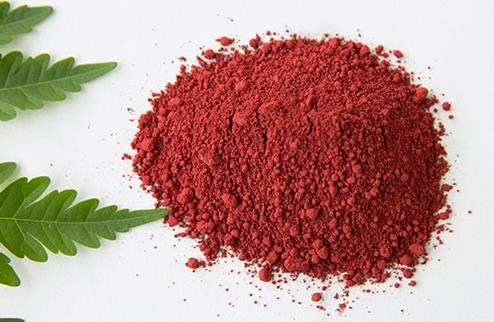
Cuprous oxide, whose chemical formula is Cu2O, is an oxide of monovalent copper. It is a bright red powdery solid, almost insoluble in water. It disproportionates to divalent copper and copper element in acid solution, and gradually oxidizes to black in the humid air.
What is the role of cuprous oxide?
Copper oxide is used as a pigment in ceramics to produce blue, red and green colors, and sometimes gray, pink or black glazes. It has also been mistakenly used as a dietary supplement in animal feed. Due to the low biological activity, the absorbable copper is negligible. It is also used when welding with copper alloys.
Cuprous oxide is also mainly used to make antifouling paint on the bottom of ships (used to kill low-level marine animals), insecticides, and various copper salts, analytical reagents, red glass, and also used for copper plating and copper alloy plating solutions Preparation.
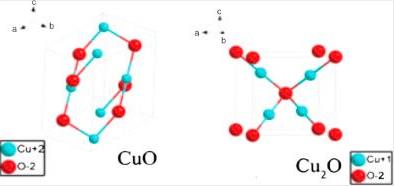
What is the difference between cuprous oxide and copper oxide?
If only one copper atom is bonded to oxygen molecules, it is called copper oxide. If two copper atoms are bonded to an oxygen atom, it is a cuprous oxide. Copper oxide is considered "fully oxidized", while cuprous oxide is still in an active state. Cuprous oxide is the oxide of monovalent copper, a bright red powdery solid, almost insoluble in water, it disproportionates into divalent copper and copper element in acid solution, and gradually oxidizes to black copper oxide in the humid air.
Is cuprous oxide dangerous?
Toxicity is caused by copper. Such fungicides are considered moderate to low hazards and are unlikely to cause poisoning unless swallowed deliberately. In this case, severe gastrointestinal irritation may occur. Chronic poisoning is manifested as: the local skin, hair and conjunctiva of workers exposed to copper compounds sometimes turn light yellow or black green, and there are dark red or magenta edges on the gums. It is irritating to the skin, and dust irritates the eyes and causes corneal ulcers.
When the dust content of this product in the air reaches 0.22~14mg/m3, it will cause acute poisoning after 1~2 hours of work, manifested as headache, weakness, redness of the pharynx and conjunctiva, nausea, muscle pain, sometimes vomiting and diarrhea, fatigue, body temperature Elevated. One day later, the body temperature can return to normal, but still a weakness, headache, dizziness, rapid pulse rate, and increased lymphocytes. For acute poisoning patients, use a certain concentration of K4[Fe(CN)6] solution for gastric lavage and take milk. The maximum allowable concentration in the air is 0.1mg/m³. Wear masks, dust-proof glasses, protective work clothes, and shower after work.
Why is the color of cuprous oxide red?
Red copper is a reduced form of ordinary black copper oxide (CuO). During normal oxidative firing, it will be converted to the form of copper oxide (CuO), which produces a normal green color in the glaze and glass. If it undergoes reduction firing, it will maintain its Cu2O structure to produce a typical copper-red color.
Scientists use ultrafine cuprous oxide smaller than 3 nanometers to achieve visible light nitrogen fixation
The latest research by Zhang Tierui's team at the Institute of Physics and Chemistry of the Chinese Academy of Sciences has prepared ultrafine cuprous oxide (Cu2O) smaller than 3 nanometers to achieve visible-light-driven nitrogen fixation. Related papers were recently published in the "German Applied Chemistry" magazine.
In this study, the team used ascorbic acid to successfully prepare ultrafine cuprous oxide flakes with uniform size and a lateral size of fewer than 3 nanometers by performing an in-situ topological reduction reaction on a layered double hydroxide containing divalent copper. The ultrafine cuprous oxide supported by the substrate efficiently and stably realizes the visible-light-driven N2→NH3 photocatalytic reduction reaction (under 400nm wavelength photocatalysis, the reaction rate normalized according to the quality of cuprous oxide is as high as 4.10 mmol ·GCu2O-1·h-1). Such high activity may be attributed to the long lifetime of photo-generated electrons trapped by the trap, sufficient activation sites to be exposed, and the characteristics of the substrate material. This work guides the future design of ultrafine catalysts for ammonia synthesis or other applications.
It is understood that the photocatalytic nitrogen fixation reaction using water as a reducing agent is a promising strategy for ammonia synthesis in the future, so researchers have been looking for photocatalysts with high visible light utilization and nitrogen fixation efficiency. As a low-cost, visible-light-responsive semiconductor photocatalyst, cuprous oxide represents a type of visible-light nitrogen fixation catalyst that is ideal from a thermodynamic point of view but has been seldom studied.
It is worth noting that most of the cuprous oxide photocatalysts so far have large lateral dimensions (usually about tens to hundreds of nanometers), and there are widespread problems such as serious electron-hole recombination and limited surface area, which restrict their Application in nitrogen fixation photocatalytic reaction. In this context, ultrafine photocatalysts with a lateral size of about 1-3 nm have obvious advantages over traditional nanoparticle-based photocatalysts, but the controllable synthesis of ultrafine photocatalysts is still a challenging subject.
What is the role of cuprous oxide?
Copper oxide is used as a pigment in ceramics to produce blue, red and green colors, and sometimes gray, pink or black glazes. It has also been mistakenly used as a dietary supplement in animal feed. Due to the low biological activity, the absorbable copper is negligible. It is also used when welding with copper alloys.
Cuprous oxide is also mainly used to make antifouling paint on the bottom of ships (used to kill low-level marine animals), insecticides, and various copper salts, analytical reagents, red glass, and also used for copper plating and copper alloy plating solutions Preparation.
If only one copper atom is bonded to oxygen molecules, it is called copper oxide. If two copper atoms are bonded to an oxygen atom, it is a cuprous oxide. Copper oxide is considered "fully oxidized", while cuprous oxide is still in an active state. Cuprous oxide is the oxide of monovalent copper, a bright red powdery solid, almost insoluble in water, it disproportionates into divalent copper and copper element in acid solution, and gradually oxidizes to black copper oxide in the humid air.
Is cuprous oxide dangerous?
Toxicity is caused by copper. Such fungicides are considered moderate to low hazards and are unlikely to cause poisoning unless swallowed deliberately. In this case, severe gastrointestinal irritation may occur. Chronic poisoning is manifested as: the local skin, hair and conjunctiva of workers exposed to copper compounds sometimes turn light yellow or black green, and there are dark red or magenta edges on the gums. It is irritating to the skin, and dust irritates the eyes and causes corneal ulcers.
When the dust content of this product in the air reaches 0.22~14mg/m3, it will cause acute poisoning after 1~2 hours of work, manifested as headache, weakness, redness of the pharynx and conjunctiva, nausea, muscle pain, sometimes vomiting and diarrhea, fatigue, body temperature Elevated. One day later, the body temperature can return to normal, but still a weakness, headache, dizziness, rapid pulse rate, and increased lymphocytes. For acute poisoning patients, use a certain concentration of K4[Fe(CN)6] solution for gastric lavage and take milk. The maximum allowable concentration in the air is 0.1mg/m³. Wear masks, dust-proof glasses, protective work clothes, and shower after work.
Why is the color of cuprous oxide red?
Red copper is a reduced form of ordinary black copper oxide (CuO). During normal oxidative firing, it will be converted to the form of copper oxide (CuO), which produces a normal green color in the glaze and glass. If it undergoes reduction firing, it will maintain its Cu2O structure to produce a typical copper-red color.
The latest research by Zhang Tierui's team at the Institute of Physics and Chemistry of the Chinese Academy of Sciences has prepared ultrafine cuprous oxide (Cu2O) smaller than 3 nanometers to achieve visible-light-driven nitrogen fixation. Related papers were recently published in the "German Applied Chemistry" magazine.
In this study, the team used ascorbic acid to successfully prepare ultrafine cuprous oxide flakes with uniform size and a lateral size of fewer than 3 nanometers by performing an in-situ topological reduction reaction on a layered double hydroxide containing divalent copper. The ultrafine cuprous oxide supported by the substrate efficiently and stably realizes the visible-light-driven N2→NH3 photocatalytic reduction reaction (under 400nm wavelength photocatalysis, the reaction rate normalized according to the quality of cuprous oxide is as high as 4.10 mmol ·GCu2O-1·h-1). Such high activity may be attributed to the long lifetime of photo-generated electrons trapped by the trap, sufficient activation sites to be exposed, and the characteristics of the substrate material. This work guides the future design of ultrafine catalysts for ammonia synthesis or other applications.
It is understood that the photocatalytic nitrogen fixation reaction using water as a reducing agent is a promising strategy for ammonia synthesis in the future, so researchers have been looking for photocatalysts with high visible light utilization and nitrogen fixation efficiency. As a low-cost, visible-light-responsive semiconductor photocatalyst, cuprous oxide represents a type of visible-light nitrogen fixation catalyst that is ideal from a thermodynamic point of view but has been seldom studied.
It is worth noting that most of the cuprous oxide photocatalysts so far have large lateral dimensions (usually about tens to hundreds of nanometers), and there are widespread problems such as serious electron-hole recombination and limited surface area, which restrict their Application in nitrogen fixation photocatalytic reaction. In this context, ultrafine photocatalysts with a lateral size of about 1-3 nm have obvious advantages over traditional nanoparticle-based photocatalysts, but the controllable synthesis of ultrafine photocatalysts is still a challenging subject.
Leave a Reply
Your email address will not be published.Required fields are marked. *