
By NANOTRUN | 14 April 2026 | 0 Comments
What can you do with zinc sulfide?
What is Zinc Sulfide?
Zinc sulfide's chemical formula is ZnS. Zinc sulfide is white to yellow powder or crystal. It is poorly soluble in water and glows from exposure to alpha particles. Zinc sulfide mainly exists in the form of sphalerite and wurtzite. Both of these structures are wide bandgap semiconductor materials and are widely used in optoelectronic devices. The structure of sphalerite is a cubic crystal system with a bandgap of 3.54eV at 300K. Wurtzite structure is hexagonal and the bandgap is 3.91eV. The pure sphalerite will change to wurtzite at 1020°C, but the presence of impurities will lower the temperature.

Zin Sulfide Powder
Is zinc sulfide harmful?
Chronic: Zinc-containing fumes may cause metal fume fever. Sulfides may cause irritation to the skin, ... Hydrogen sulfide, if generated, is toxic, a severe irritant, and flammable. Effects include conjunctivitis, headache, nausea, dizziness, coughing, pulmonary edema, and leading to death.
Physicochemical properties of zinc sulfide
Zinc sulfide physical properties
Zinc sulfide is a white or slightly yellow powder. It turns into crystals when burning in H2S gas. Its alpha variant is a colorless hexagonal crystal with a density of 3.98g/cm3 and a melting point of 1700°C. Its beta variant is a colorless cubic crystal with a density of 4.102g/cm3, which is transformed into an alpha type at 1020°C. Zinc sulfide exists in sphalerite. Insoluble in water, soluble in acid. See the sunlight dimmed.
Zinc sulfide chemical properties
Zinc sulfide is converted into zinc sulfate in humid air for a long time. It is generally derived from the action of hydrogen sulfide and zinc salt solution. If a small amount of Cu, Mn, Ag is added as an activator in the crystalline ZnS, it can emit different colors of fluorescence after being illuminated. Zinc sulfide can be used as analytical reagents and coatings. It can be used to make paint, opaque glass, rubber, plastic, and phosphor.
Is ZnS an acid or base?
It is obvious that ZnS is stable in acidic pH when Eh is below zero. At alkaline pH, however, ZnS is stable at a more negative Eh value. The oxidation product of ZnS is zinc sulfate in acidic solution and zinc hydroxide precipitate in alkaline solution.
Is zinc sulfide a fluorescent material?
Zinc sulfide is one of the most common phosphorescent materials. Phosphorescence is a special type of photoluminescence. Unlike fluorescent substances, a phosphorescent material emits absorbed energy at once.
What can you do with zinc sulfide?
The most common use of ZnS is as a pigment for paints, plastics, and rubber. Lithopone, a mixture of ZnS and barium sulfate (BaSO4), is a widely used pigment for low-gloss paints. ZnS is phosphorescent, which makes it useful for several electronic and decorative applications.
Zin Sulfide Powder
Refractive Index and Dispersion Characteristics:
One of the most commercially exploited properties of zinc sulfide is its refractive index. In its hot-pressed polycrystalline form (commonly known as Cleartran®), ZnS exhibits a refractive index of approximately 2.35 in the mid-infrared range (8–12 μm). This high refractive index, combined with extraordinarily low bulk absorption and scattering losses, makes it an unrivaled material for infrared optical windows and domes. Unlike competing materials such as germanium or chalcogenide glasses, zinc sulfide maintains excellent transmission characteristics from the visible spectrum (around 450 nm) all the way to the long-wave infrared (beyond 12 μm). The dispersion—how the refractive index varies with wavelength—follows a well-characterized Cauchy or Sellmeier model, allowing optical engineers to design multi-element lens assemblies with precise chromatic correction for thermal imaging systems.
Luminescence Mechanisms and Rare-Earth Doping:
The phosphorescence and fluorescence of zinc sulfide are not intrinsic properties of the pure compound itself, but rather arise from carefully engineered defects and dopant atoms embedded within the crystal lattice. When trace amounts of copper, silver, gold, or manganese are introduced during synthesis, these activator ions occupy substitutional or interstitial sites within the ZnS matrix. Under excitation by ultraviolet light, X-rays, electron beams, or alpha particles, electrons in the valence band absorb energy and jump to the conduction band, leaving behind positively charged holes. These charge carriers then migrate through the lattice until they encounter an activator center. When an electron recombines with a hole at the activator site, the excess energy is released as a photon of characteristic wavelength. Copper-doped ZnS emits a brilliant blue-green luminescence centered around 525 nm; silver doping shifts the emission to a vivid blue near 450 nm; manganese produces a distinctive orange-yellow emission at approximately 585 nm. These tailored emission spectra are what make ZnS the cornerstone of cathode ray tube displays, scintillator screens for X-ray imaging, and emergency exit signage that glows for hours after the lights go out.
1. Direct Elemental Synthesis and Vapor Transport:
The most straightforward method of producing bulk ZnS crystals involves the direct reaction of elemental zinc and sulfur vapors at elevated temperatures under controlled atmospheres. In a typical setup, high-purity zinc metal is heated in a quartz ampoule containing sulfur powder, sealed under vacuum or an inert gas atmosphere. As the temperature rises above 600°C, both elements vaporize and react exothermically to form zinc sulfide. To grow large, high-quality single crystals suitable for optical applications, the chemical vapor transport (CVT) method is employed. Here, a small quantity of a transport agent—commonly iodine or ammonium chloride—is introduced into the sealed ampoule. The transport agent reacts transiently with the ZnS source material at the hot end of the ampoule, forming volatile intermediate species such as ZnI₂. These intermediates diffuse toward the cooler end of the ampoule, where they decompose and redeposit highly purified ZnS crystals. This technique, known as the horizontal Bridgman method when integrated with a translating furnace, can yield single crystals of exceptional optical clarity weighing several hundred grams.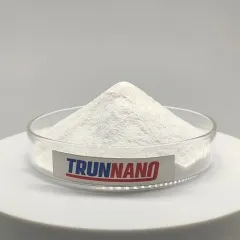
Zin Sulfide Powder
2. Precipitation from Aqueous Solution:
For the production of ZnS pigments and powders, aqueous precipitation remains the dominant industrial route due to its scalability and cost-effectiveness. Zinc salts—typically zinc sulfate, zinc chloride, or zinc acetate—are dissolved in water and reacted with a sulfide source such as sodium sulfide, ammonium sulfide, or hydrogen sulfide gas. The reaction proceeds instantaneously, producing a fine white precipitate of ZnS nanoparticles or microcrystals:
Zn2++S2−→ZnS↓
Critical parameters including pH, temperature, reactant concentration, stirring rate, and the presence of capping agents determine the particle size distribution, morphology, and degree of agglomeration. For pigment-grade ZnS intended for paints and plastics, careful control of these variables ensures optimal opacity, brightness, and weather resistance. When combined with barium sulfate in a co-precipitation process, the resulting lithopone pigment achieves a balanced combination of hiding power, tinting strength, and economic viability that has sustained its commercial relevance for over a century.
3. Solvothermal and Hydrothermal Growth:
Solvothermal synthesis represents a sophisticated evolution of traditional hydrothermal methods, utilizing organic solvents instead of water as the reaction medium. In a typical solvothermal procedure, zinc acetate and thiourea are dissolved in ethylene glycol or oleylamine within a high-pressure autoclave. The sealed vessel is heated to temperatures ranging from 150°C to 300°C for several hours to days. Under these conditions, the solvent acts not merely as a passive medium but actively participates in the reaction chemistry, serving as a coordinating ligand that controls nucleation and growth kinetics. This method enables the production of ZnS nanocrystals with precisely controlled sizes, shapes, and crystalline phases. By adjusting the reaction temperature and precursor ratios, researchers can selectively favor the formation of either the cubic or hexagonal polymorph, or even create core-shell heterostructures with other semiconductor materials.
4. Chemical Vapor Deposition (CVD) for Optical-Grade Material:
The manufacture of high-performance infrared optical components demands material of extraordinary purity and homogeneity. Hot-pressed zinc sulfide, often referred to by the trade name Cleartran®, is produced via chemical vapor deposition in a process conceptually similar to the growth of synthetic diamond. In a CVD reactor operating at atmospheric pressure, zinc vapor (generated by heating elemental zinc to approximately 850°C) is entrained in an inert carrier gas such as argon and directed into a reaction chamber. Simultaneously, hydrogen sulfide gas is introduced. The two gaseous precursors mix and react on the surface of a heated substrate (typically 600–800°C), depositing a dense, polycrystalline ZnS layer:
Zn(g)+H2S(g)→ZnS(s)+H2(g)
Layer by layer, the deposition builds up a thick, optically transparent billet that can be machined and polished into windows, lenses, and missile domes. Post-deposition heat treatment at elevated temperatures (typically 800–1000°C) for extended durations further enhances optical transmission by relieving internal stresses and promoting grain growth, ultimately yielding a material with transmission losses of less than 1% per centimeter in the infrared spectrum.
5. Colloidal Synthesis of ZnS Quantum Dots:
Perhaps the most scientifically captivating frontier in zinc sulfide research is the domain of quantum confinement effects in semiconductor nanocrystals. When the physical dimensions of a ZnS particle are reduced below the Bohr exciton radius—approximately 5 nm for ZnS—quantum mechanical effects begin to dominate the material's electronic structure. The bandgap effectively widens as particle size decreases, causing a pronounced blueshift in the absorption and emission spectra. To synthesize these quantum dots, organometallic precursors such as diethylzinc and hexamethyldisilathiane are injected into hot, coordinating solvents like trioctylphosphine oxide (TOPO) or octadecene under rigorously oxygen-free conditions. Surfactant molecules (such as oleic acid or hexadecylamine) adsorb onto the growing nanoparticle surfaces, acting as steric stabilizers that prevent agglomeration and arrest further growth. The resulting quantum dots, often just 2–6 nm in diameter, exhibit size-tunable photoluminescence spanning the entire visible spectrum. When a ZnS shell is epitaxially grown around a core of another semiconductor—such as cadmium selenide (CdSe@ZnS) or lead sulfide (PbS@ZnS)—the ZnS layer passivates surface trap states, dramatically enhancing quantum yield and photostability. These core-shell quantum dots have revolutionized bioimaging, enabling researchers to label cellular structures with multiple distinct colors excited by a single light source. 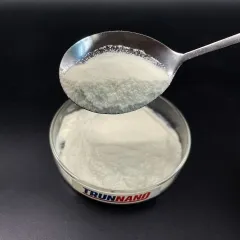
Zin Sulfide Powder
Infrared Windows and Missile Domes:
Hypersonic projectiles and guided missiles traveling at Mach 3 or greater generate immense aerodynamic heating, causing the leading edges and optical domes to experience temperatures exceeding 500°C. Zinc sulfide, particularly in its multispectral grade, possesses a unique combination of broadband infrared transmission, adequate mechanical strength, and acceptable thermal shock resistance that makes it the preferred window material for many seeker heads. Unlike sapphire, which—while harder—suffers from strong absorption bands in the 3–5 μm mid-infrared region, multispectral ZnS transmits efficiently across both the MWIR (3–5 μm) and LWIR (8–12 μm) atmospheric transmission windows. This dual-band capability is critical for advanced seekers that employ dual-color detection schemes to discriminate between decoys and genuine targets based on differential spectral signatures. The material's moderate hardness (~160 kg/mm² Vickers) and fracture toughness allow it to withstand rain erosion, sand particle impacts, and thermal cycling that would shatter more fragile infrared materials like germanium.
Thermal Imaging and Night Vision:
Forward-looking infrared (FLIR) cameras deployed on helicopters, ground vehicles, and maritime patrol vessels frequently incorporate ZnS lenses in their optical trains. The material's low coefficient of thermal expansion minimizes focal shift during temperature fluctuations, ensuring consistent image quality across a broad operational envelope. Moreover, the absence of appreciable phonon absorption bands in the 8–12 μm range—a limitation that plagues silicon and germanium—means that ZnS-based optics maintain high transmission efficiency even at cryogenic operating temperatures typical of cooled infrared detector arrays.
Water Purification and Disinfection:
Under UV irradiation, the valence band holes in ZnS possess sufficient oxidizing potential (+2.3 V vs. NHE) to split water molecules and generate hydroxyl radicals (·OH), among the most potent oxidants known in chemistry. These hydroxyl radicals attack and mineralize a wide array of organic pollutants—including pesticides, pharmaceuticals, dyes, and endocrine disruptors—converting them into harmless carbon dioxide, water, and inorganic ions. Simultaneously, conduction band electrons reduce molecular oxygen to superoxide radicals (O₂·⁻), which synergistically contribute to the degradation process. ZnS nanoparticles suspended in contaminated water thus function as heterogeneous photocatalysts that can purify drinking water without requiring added chemical reagents. Furthermore, the material's photocatalytic action disrupts the cell membranes of bacteria, viruses, and fungi, making it effective for disinfection applications in remote or resource-limited settings.
Zin Sulfide Powder
Hydrogen Evolution via Water Splitting:
The global quest for clean, renewable energy has placed enormous emphasis on photocatalytic water splitting to produce hydrogen fuel. Zinc sulfide, with its favorable conduction band edge positioned at approximately -1.25 V vs. NHE, possesses the thermodynamic capability to drive the reduction of protons to molecular hydrogen. However, pristine ZnS suffers from rapid electron-hole recombination, which severely limits its hydrogen evolution efficiency. To overcome this, researchers have developed ingenious strategies including noble metal decoration (e.g., platinum nanoparticles), carbon nanotube incorporation, and the construction of type-II heterojunctions with other semiconductors such as titanium dioxide (TiO₂) or graphitic carbon nitride (g-C₃N₄). In these composite architectures, the staggered band alignments facilitate spatial charge separation, channeling electrons and holes to distinct catalytic sites and dramatically boosting hydrogen production rates under simulated sunlight.
Bioimaging and Biosensing:
Traditional organic fluorophores suffer from photobleaching, broad emission spectra, and limited multiplexing capability. In stark contrast, ZnS-capped quantum dots exhibit exceptional photostability, narrow symmetric emission peaks, and size-tunable emission colors. By conjugating the quantum dot surface with targeting ligands—antibodies, peptides, or aptamers—researchers can achieve highly specific labeling of cancer biomarkers, intracellular organelles, or neuronal synapses. The ZnS shell not only enhances fluorescence quantum yield but also encapsulates potentially toxic core materials (such as cadmium-based quantum dots), preventing the leaching of heavy metal ions into biological systems and thereby improving biocompatibility. Fluorescence resonance energy transfer (FRET) assays employing ZnS quantum dots enable the real-time monitoring of enzymatic activities, DNA hybridization events, and protein-protein interactions with extraordinary sensitivity, pushing the boundaries of early disease detection.
Drug Delivery and Controlled Release:
Porous ZnS microspheres and hollow nanospheres, synthesized via sacrificial template methods, have emerged as innovative carriers for controlled drug delivery. The porous architecture provides a high surface area and loading capacity for therapeutic agents, while the ZnS matrix offers protection from premature degradation in the gastrointestinal tract or bloodstream. Stimuli-responsive release mechanisms can be engineered by exploiting the pH-dependent solubility of ZnS. In the mildly acidic microenvironment of tumor tissues or lysosomal compartments (pH ~5.5), the ZnS carrier gradually dissolves, releasing its encapsulated payload precisely at the disease site while sparing healthy tissues. This targeted approach minimizes systemic side effects and maximizes therapeutic efficacy, representing a paradigm shift in oncology and personalized medicine.
Zin Sulfide Powder
Occupational Exposure Limits:
Regulatory agencies including OSHA and ACGIH have established permissible exposure limits for zinc oxide fume at 5 mg/m³ (as an 8-hour time-weighted average). Although zinc sulfide itself is not classified as a carcinogen, the generation of respirable dust during grinding, polishing, or machining operations poses a respiratory irritant hazard. Chronic inhalation of fine ZnS particulates may lead to pneumoconiosis-like conditions, characterized by inflammation and impaired lung function. Furthermore, workers engaged in high-temperature processing of ZnS must be vigilant against the risk of metal fume fever—a flu-like syndrome induced by the inhalation of freshly formed zinc oxide fumes, which can occur if ZnS oxidizes under certain combustion or welding conditions.
Environmental Fate and Ecotoxicology:
Zinc sulfide demonstrates poor solubility in neutral aqueous environments, which significantly attenuates its bioavailability and ecological impact under most natural conditions. However, in acidic soils or aquatic systems with pH below 6.0, ZnS begins to dissolve, releasing zinc ions into solution. Zinc is an essential micronutrient for plants and animals at trace concentrations, but excessive levels induce phytotoxicity, disrupting enzymatic processes and causing chlorosis in vegetation. Aquatic organisms, particularly fish and invertebrates, exhibit varying degrees of sensitivity to dissolved zinc, with toxicity thresholds generally falling in the range of hundreds of micrograms per liter. Consequently, wastewater discharges from ZnS manufacturing facilities are typically subject to stringent pretreatment requirements to ensure compliance with ambient water quality standards. The use of appropriate personal protective equipment—respirators, gloves, and protective eyewear—combined with robust ventilation systems and dust suppression measures, constitutes an effective hierarchy of controls for safeguarding worker health in industrial settings.
Flexible Optoelectronics and Wearable Devices:
The burgeoning field of flexible electronics demands semiconductor materials that can endure repeated mechanical bending without fracturing or degrading. Recent advances in the growth of high-quality ZnS thin films on polymer substrates have demonstrated the feasibility of integrating ZnS-based ultraviolet photodetectors, light-emitting diodes, and thin-film transistors into flexible, wearable platforms. These devices could enable next-generation health-monitoring patches, foldable displays, and conformable solar-harvesting skins.
Spintronics and Dilute Magnetic Semiconductors:
By introducing transition metal dopants such as manganese, cobalt, iron, or nickel into the ZnS lattice, researchers have created dilute magnetic semiconductors (DMS) that exhibit simultaneous semiconducting and ferromagnetic properties at or above room temperature. This dual functionality opens the tantalizing prospect of spintronic devices, where information is encoded not only in electron charge (as in conventional electronics) but also in electron spin. Such spintronic architectures could revolutionize data storage, logic processing, and quantum computing by enabling non-volatile memory, ultra-low-power switching, and spin-based qubits.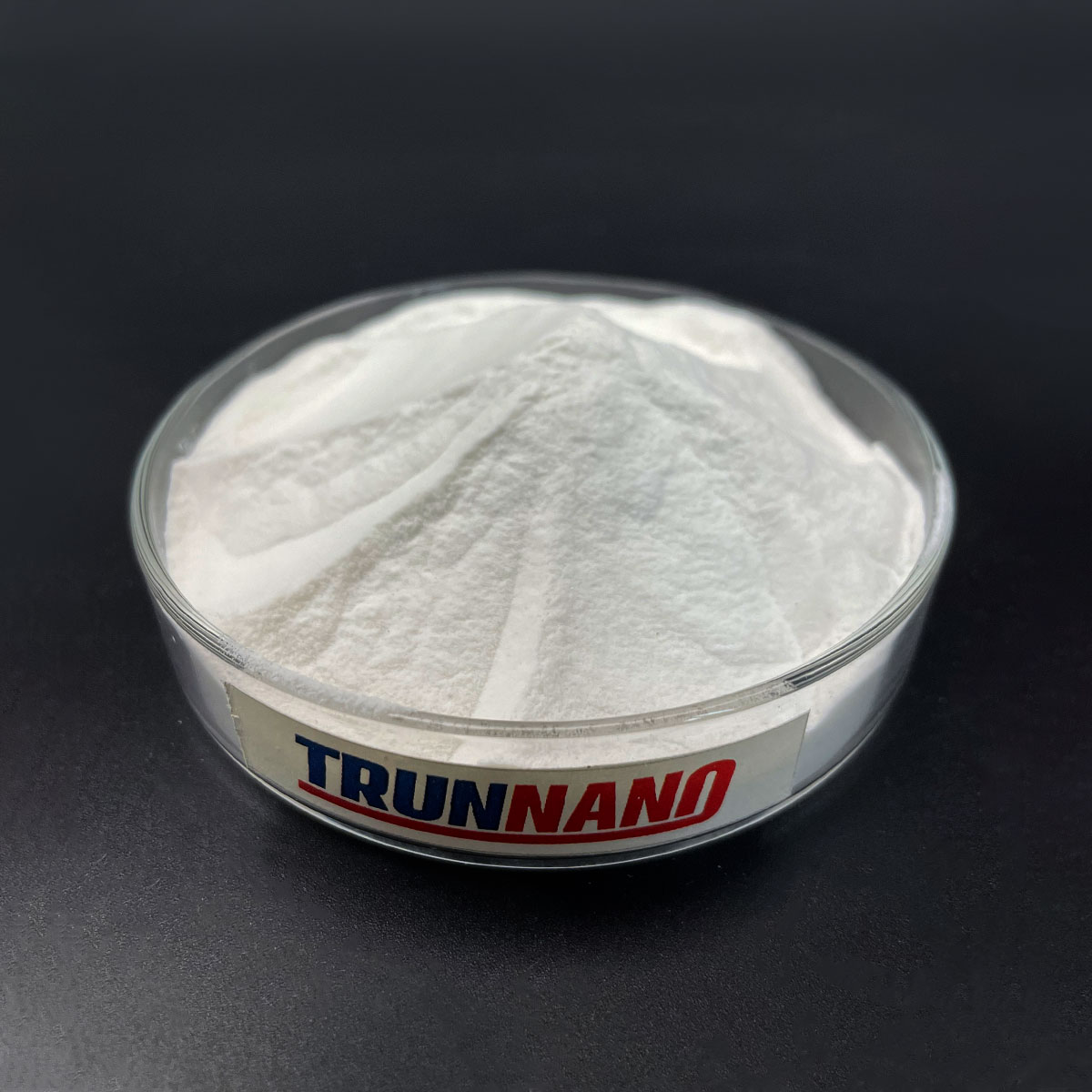
Zin Sulfide Powder
Perovskite-Inspired Composites:
The meteoric rise of halide perovskites in photovoltaic research has inspired investigations into ZnS-perovskite nanocomposites. By embedding perovskite nanocrystals within a ZnS matrix, researchers achieve dual benefits: the ZnS shell passivates surface defects and stabilizes the inherently fragile perovskite cores against moisture, oxygen, and thermal degradation, while the composite retains the exceptional light-absorption and charge-transport properties of the perovskite. These core-shell heterostructures show immense promise for stable, high-efficiency quantum dot solar cells and light-emitting diodes with extended operational lifetimes.
Additive Manufacturing and 3D Printing:
Emerging research into ceramic additive manufacturing has begun to explore ZnS as a printable phosphor material for 3D-printed luminescent devices. By formulating ZnS:Cu phosphor powders into UV-curable resin pastes or sinterable slurries compatible with stereolithography (SLA) or selective laser sintering (SLS) processes, engineers can fabricate complex three-dimensional geometries with spatially patterned luminescence. Potential applications include custom-shaped scintillators for medical imaging, artistic architectural lighting elements, and bespoke optical components with embedded wavelength-conversion regions.
From the humble white pigment brightening the paints on our walls, to the phosphorescent emergency signs guiding us to safety in the dark; from the infrared-seeking eyes of precision-guided munitions defending nations, to the quantum-dot tracers illuminating the inner workings of living cells—zinc sulfide permeates virtually every facet of modern technological civilization. Its unique confluence of wide-bandgap semiconductivity, broadband infrared transparency, tailorable luminescence, and benign chemical nature creates a materials platform of extraordinary breadth and adaptability. As synthetic methodologies grow ever more refined and our understanding of nanoscale phenomena deepens, zinc sulfide will undoubtedly continue to illuminate—both literally and figuratively—the path toward future innovations in energy, medicine, defense, and beyond. The story of ZnS is, in many ways, the story of materials science itself: a testament to how the thoughtful manipulation of atomic arrangements can yield macroscopic capabilities that transform the human experience.
Zin Sulfide Supplier
TRUNNANO (aka. Luoyang Tongrun Nano Technology Co. Ltd.) is a trusted global Zin Sulfide Powder supplier & manufacturer with over 12 years of experience in providing super high-quality Zin Sulfide Powder and Nanomaterials. Currently, our company has successfully developed a series of Zin Sulfide Powder. Zin Sulfide produced by our company is of high purity and good quality. Send us an email or click on the needed products to send an inquiry.
Chronic: Zinc-containing fumes may cause metal fume fever. Sulfides may cause irritation to the skin, ... Hydrogen sulfide, if generated, is toxic, a severe irritant, and flammable. Effects include conjunctivitis, headache, nausea, dizziness, coughing, pulmonary edema, and leading to death.
Physicochemical properties of zinc sulfide
Zinc sulfide physical properties
Zinc sulfide is a white or slightly yellow powder. It turns into crystals when burning in H2S gas. Its alpha variant is a colorless hexagonal crystal with a density of 3.98g/cm3 and a melting point of 1700°C. Its beta variant is a colorless cubic crystal with a density of 4.102g/cm3, which is transformed into an alpha type at 1020°C. Zinc sulfide exists in sphalerite. Insoluble in water, soluble in acid. See the sunlight dimmed.
Zinc sulfide chemical properties
Zinc sulfide is converted into zinc sulfate in humid air for a long time. It is generally derived from the action of hydrogen sulfide and zinc salt solution. If a small amount of Cu, Mn, Ag is added as an activator in the crystalline ZnS, it can emit different colors of fluorescence after being illuminated. Zinc sulfide can be used as analytical reagents and coatings. It can be used to make paint, opaque glass, rubber, plastic, and phosphor.
Is ZnS an acid or base?
It is obvious that ZnS is stable in acidic pH when Eh is below zero. At alkaline pH, however, ZnS is stable at a more negative Eh value. The oxidation product of ZnS is zinc sulfate in acidic solution and zinc hydroxide precipitate in alkaline solution.
Is zinc sulfide a fluorescent material?
Zinc sulfide is one of the most common phosphorescent materials. Phosphorescence is a special type of photoluminescence. Unlike fluorescent substances, a phosphorescent material emits absorbed energy at once.
What can you do with zinc sulfide?
The most common use of ZnS is as a pigment for paints, plastics, and rubber. Lithopone, a mixture of ZnS and barium sulfate (BaSO4), is a widely used pigment for low-gloss paints. ZnS is phosphorescent, which makes it useful for several electronic and decorative applications.
Advanced Optical Physics and Electronic Structure
To fully comprehend why zinc sulfide occupies such a uniquely privileged position in materials science, one must delve into the fundamental physics governing its interaction with electromagnetic radiation. Zinc sulfide belongs to the family of II-VI compound semiconductors, where the group II element zinc donates two valence electrons and the group VI element sulfur accepts them, forming a stable, covalently bonded ionic lattice. The resulting bandgap—3.54 eV for the cubic sphalerite phase and 3.91 eV for the hexagonal wurtzite phase—places ZnS squarely in the ultraviolet region of the electromagnetic spectrum. This wide bandgap is precisely what endows the material with its exceptional optical transparency across the entire visible spectrum and deep into the infrared.
Zin Sulfide Powder
Refractive Index and Dispersion Characteristics:
One of the most commercially exploited properties of zinc sulfide is its refractive index. In its hot-pressed polycrystalline form (commonly known as Cleartran®), ZnS exhibits a refractive index of approximately 2.35 in the mid-infrared range (8–12 μm). This high refractive index, combined with extraordinarily low bulk absorption and scattering losses, makes it an unrivaled material for infrared optical windows and domes. Unlike competing materials such as germanium or chalcogenide glasses, zinc sulfide maintains excellent transmission characteristics from the visible spectrum (around 450 nm) all the way to the long-wave infrared (beyond 12 μm). The dispersion—how the refractive index varies with wavelength—follows a well-characterized Cauchy or Sellmeier model, allowing optical engineers to design multi-element lens assemblies with precise chromatic correction for thermal imaging systems.
Luminescence Mechanisms and Rare-Earth Doping:
The phosphorescence and fluorescence of zinc sulfide are not intrinsic properties of the pure compound itself, but rather arise from carefully engineered defects and dopant atoms embedded within the crystal lattice. When trace amounts of copper, silver, gold, or manganese are introduced during synthesis, these activator ions occupy substitutional or interstitial sites within the ZnS matrix. Under excitation by ultraviolet light, X-rays, electron beams, or alpha particles, electrons in the valence band absorb energy and jump to the conduction band, leaving behind positively charged holes. These charge carriers then migrate through the lattice until they encounter an activator center. When an electron recombines with a hole at the activator site, the excess energy is released as a photon of characteristic wavelength. Copper-doped ZnS emits a brilliant blue-green luminescence centered around 525 nm; silver doping shifts the emission to a vivid blue near 450 nm; manganese produces a distinctive orange-yellow emission at approximately 585 nm. These tailored emission spectra are what make ZnS the cornerstone of cathode ray tube displays, scintillator screens for X-ray imaging, and emergency exit signage that glows for hours after the lights go out.
Cutting-Edge Synthesis Routes: From Bulk Crystals to Quantum Confinement
The journey from raw elemental zinc and sulfur to functional zinc sulfide materials spans an impressive range of processing techniques, each designed to achieve specific morphologies, purities, and performance characteristics.1. Direct Elemental Synthesis and Vapor Transport:
The most straightforward method of producing bulk ZnS crystals involves the direct reaction of elemental zinc and sulfur vapors at elevated temperatures under controlled atmospheres. In a typical setup, high-purity zinc metal is heated in a quartz ampoule containing sulfur powder, sealed under vacuum or an inert gas atmosphere. As the temperature rises above 600°C, both elements vaporize and react exothermically to form zinc sulfide. To grow large, high-quality single crystals suitable for optical applications, the chemical vapor transport (CVT) method is employed. Here, a small quantity of a transport agent—commonly iodine or ammonium chloride—is introduced into the sealed ampoule. The transport agent reacts transiently with the ZnS source material at the hot end of the ampoule, forming volatile intermediate species such as ZnI₂. These intermediates diffuse toward the cooler end of the ampoule, where they decompose and redeposit highly purified ZnS crystals. This technique, known as the horizontal Bridgman method when integrated with a translating furnace, can yield single crystals of exceptional optical clarity weighing several hundred grams.
Zin Sulfide Powder
For the production of ZnS pigments and powders, aqueous precipitation remains the dominant industrial route due to its scalability and cost-effectiveness. Zinc salts—typically zinc sulfate, zinc chloride, or zinc acetate—are dissolved in water and reacted with a sulfide source such as sodium sulfide, ammonium sulfide, or hydrogen sulfide gas. The reaction proceeds instantaneously, producing a fine white precipitate of ZnS nanoparticles or microcrystals:
Zn2++S2−→ZnS↓
Critical parameters including pH, temperature, reactant concentration, stirring rate, and the presence of capping agents determine the particle size distribution, morphology, and degree of agglomeration. For pigment-grade ZnS intended for paints and plastics, careful control of these variables ensures optimal opacity, brightness, and weather resistance. When combined with barium sulfate in a co-precipitation process, the resulting lithopone pigment achieves a balanced combination of hiding power, tinting strength, and economic viability that has sustained its commercial relevance for over a century.
3. Solvothermal and Hydrothermal Growth:
Solvothermal synthesis represents a sophisticated evolution of traditional hydrothermal methods, utilizing organic solvents instead of water as the reaction medium. In a typical solvothermal procedure, zinc acetate and thiourea are dissolved in ethylene glycol or oleylamine within a high-pressure autoclave. The sealed vessel is heated to temperatures ranging from 150°C to 300°C for several hours to days. Under these conditions, the solvent acts not merely as a passive medium but actively participates in the reaction chemistry, serving as a coordinating ligand that controls nucleation and growth kinetics. This method enables the production of ZnS nanocrystals with precisely controlled sizes, shapes, and crystalline phases. By adjusting the reaction temperature and precursor ratios, researchers can selectively favor the formation of either the cubic or hexagonal polymorph, or even create core-shell heterostructures with other semiconductor materials.
4. Chemical Vapor Deposition (CVD) for Optical-Grade Material:
The manufacture of high-performance infrared optical components demands material of extraordinary purity and homogeneity. Hot-pressed zinc sulfide, often referred to by the trade name Cleartran®, is produced via chemical vapor deposition in a process conceptually similar to the growth of synthetic diamond. In a CVD reactor operating at atmospheric pressure, zinc vapor (generated by heating elemental zinc to approximately 850°C) is entrained in an inert carrier gas such as argon and directed into a reaction chamber. Simultaneously, hydrogen sulfide gas is introduced. The two gaseous precursors mix and react on the surface of a heated substrate (typically 600–800°C), depositing a dense, polycrystalline ZnS layer:
Zn(g)+H2S(g)→ZnS(s)+H2(g)
Layer by layer, the deposition builds up a thick, optically transparent billet that can be machined and polished into windows, lenses, and missile domes. Post-deposition heat treatment at elevated temperatures (typically 800–1000°C) for extended durations further enhances optical transmission by relieving internal stresses and promoting grain growth, ultimately yielding a material with transmission losses of less than 1% per centimeter in the infrared spectrum.
5. Colloidal Synthesis of ZnS Quantum Dots:
Perhaps the most scientifically captivating frontier in zinc sulfide research is the domain of quantum confinement effects in semiconductor nanocrystals. When the physical dimensions of a ZnS particle are reduced below the Bohr exciton radius—approximately 5 nm for ZnS—quantum mechanical effects begin to dominate the material's electronic structure. The bandgap effectively widens as particle size decreases, causing a pronounced blueshift in the absorption and emission spectra. To synthesize these quantum dots, organometallic precursors such as diethylzinc and hexamethyldisilathiane are injected into hot, coordinating solvents like trioctylphosphine oxide (TOPO) or octadecene under rigorously oxygen-free conditions. Surfactant molecules (such as oleic acid or hexadecylamine) adsorb onto the growing nanoparticle surfaces, acting as steric stabilizers that prevent agglomeration and arrest further growth. The resulting quantum dots, often just 2–6 nm in diameter, exhibit size-tunable photoluminescence spanning the entire visible spectrum. When a ZnS shell is epitaxially grown around a core of another semiconductor—such as cadmium selenide (CdSe@ZnS) or lead sulfide (PbS@ZnS)—the ZnS layer passivates surface trap states, dramatically enhancing quantum yield and photostability. These core-shell quantum dots have revolutionized bioimaging, enabling researchers to label cellular structures with multiple distinct colors excited by a single light source.
Zin Sulfide Powder
Infrared Optics and Aerospace: ZnS in the Heat of Battle
The strategic importance of zinc sulfide extends far beyond laboratories and pigments; it plays a decisive role in national defense and aerospace engineering. Modern military aircraft, cruise missiles, and reconnaissance satellites rely heavily on infrared imaging systems to detect, track, and engage targets under conditions of darkness, fog, smoke, and camouflage—scenarios where conventional visible-light optics are rendered useless.Infrared Windows and Missile Domes:
Hypersonic projectiles and guided missiles traveling at Mach 3 or greater generate immense aerodynamic heating, causing the leading edges and optical domes to experience temperatures exceeding 500°C. Zinc sulfide, particularly in its multispectral grade, possesses a unique combination of broadband infrared transmission, adequate mechanical strength, and acceptable thermal shock resistance that makes it the preferred window material for many seeker heads. Unlike sapphire, which—while harder—suffers from strong absorption bands in the 3–5 μm mid-infrared region, multispectral ZnS transmits efficiently across both the MWIR (3–5 μm) and LWIR (8–12 μm) atmospheric transmission windows. This dual-band capability is critical for advanced seekers that employ dual-color detection schemes to discriminate between decoys and genuine targets based on differential spectral signatures. The material's moderate hardness (~160 kg/mm² Vickers) and fracture toughness allow it to withstand rain erosion, sand particle impacts, and thermal cycling that would shatter more fragile infrared materials like germanium.
Thermal Imaging and Night Vision:
Forward-looking infrared (FLIR) cameras deployed on helicopters, ground vehicles, and maritime patrol vessels frequently incorporate ZnS lenses in their optical trains. The material's low coefficient of thermal expansion minimizes focal shift during temperature fluctuations, ensuring consistent image quality across a broad operational envelope. Moreover, the absence of appreciable phonon absorption bands in the 8–12 μm range—a limitation that plagues silicon and germanium—means that ZnS-based optics maintain high transmission efficiency even at cryogenic operating temperatures typical of cooled infrared detector arrays.
Photocatalysis and Environmental Remediation
Beyond its optical brilliance, zinc sulfide harbors remarkable photocatalytic properties that position it as a promising candidate for addressing pressing environmental challenges. When illuminated with ultraviolet light whose photon energy exceeds the 3.54 eV bandgap, electron-hole pairs are generated within the ZnS crystal lattice. These photoinduced charge carriers migrate to the material's surface, where they initiate redox reactions with adsorbed molecules.Water Purification and Disinfection:
Under UV irradiation, the valence band holes in ZnS possess sufficient oxidizing potential (+2.3 V vs. NHE) to split water molecules and generate hydroxyl radicals (·OH), among the most potent oxidants known in chemistry. These hydroxyl radicals attack and mineralize a wide array of organic pollutants—including pesticides, pharmaceuticals, dyes, and endocrine disruptors—converting them into harmless carbon dioxide, water, and inorganic ions. Simultaneously, conduction band electrons reduce molecular oxygen to superoxide radicals (O₂·⁻), which synergistically contribute to the degradation process. ZnS nanoparticles suspended in contaminated water thus function as heterogeneous photocatalysts that can purify drinking water without requiring added chemical reagents. Furthermore, the material's photocatalytic action disrupts the cell membranes of bacteria, viruses, and fungi, making it effective for disinfection applications in remote or resource-limited settings.
Zin Sulfide Powder
The global quest for clean, renewable energy has placed enormous emphasis on photocatalytic water splitting to produce hydrogen fuel. Zinc sulfide, with its favorable conduction band edge positioned at approximately -1.25 V vs. NHE, possesses the thermodynamic capability to drive the reduction of protons to molecular hydrogen. However, pristine ZnS suffers from rapid electron-hole recombination, which severely limits its hydrogen evolution efficiency. To overcome this, researchers have developed ingenious strategies including noble metal decoration (e.g., platinum nanoparticles), carbon nanotube incorporation, and the construction of type-II heterojunctions with other semiconductors such as titanium dioxide (TiO₂) or graphitic carbon nitride (g-C₃N₄). In these composite architectures, the staggered band alignments facilitate spatial charge separation, channeling electrons and holes to distinct catalytic sites and dramatically boosting hydrogen production rates under simulated sunlight.
Biomedical Frontiers: ZnS in Diagnostics and Theranostics
The convergence of nanotechnology and medicine has opened remarkable avenues for zinc sulfide in biomedical applications. Particularly noteworthy is the use of ZnS-coated quantum dots as fluorescent probes for cellular and molecular imaging.Bioimaging and Biosensing:
Traditional organic fluorophores suffer from photobleaching, broad emission spectra, and limited multiplexing capability. In stark contrast, ZnS-capped quantum dots exhibit exceptional photostability, narrow symmetric emission peaks, and size-tunable emission colors. By conjugating the quantum dot surface with targeting ligands—antibodies, peptides, or aptamers—researchers can achieve highly specific labeling of cancer biomarkers, intracellular organelles, or neuronal synapses. The ZnS shell not only enhances fluorescence quantum yield but also encapsulates potentially toxic core materials (such as cadmium-based quantum dots), preventing the leaching of heavy metal ions into biological systems and thereby improving biocompatibility. Fluorescence resonance energy transfer (FRET) assays employing ZnS quantum dots enable the real-time monitoring of enzymatic activities, DNA hybridization events, and protein-protein interactions with extraordinary sensitivity, pushing the boundaries of early disease detection.
Drug Delivery and Controlled Release:
Porous ZnS microspheres and hollow nanospheres, synthesized via sacrificial template methods, have emerged as innovative carriers for controlled drug delivery. The porous architecture provides a high surface area and loading capacity for therapeutic agents, while the ZnS matrix offers protection from premature degradation in the gastrointestinal tract or bloodstream. Stimuli-responsive release mechanisms can be engineered by exploiting the pH-dependent solubility of ZnS. In the mildly acidic microenvironment of tumor tissues or lysosomal compartments (pH ~5.5), the ZnS carrier gradually dissolves, releasing its encapsulated payload precisely at the disease site while sparing healthy tissues. This targeted approach minimizes systemic side effects and maximizes therapeutic efficacy, representing a paradigm shift in oncology and personalized medicine.
Safety Considerations and Toxicological Profile
Despite its widespread industrial use and general classification as having low acute toxicity, responsible handling of zinc sulfide necessitates a clear understanding of its potential health and environmental hazards.
Zin Sulfide Powder
Regulatory agencies including OSHA and ACGIH have established permissible exposure limits for zinc oxide fume at 5 mg/m³ (as an 8-hour time-weighted average). Although zinc sulfide itself is not classified as a carcinogen, the generation of respirable dust during grinding, polishing, or machining operations poses a respiratory irritant hazard. Chronic inhalation of fine ZnS particulates may lead to pneumoconiosis-like conditions, characterized by inflammation and impaired lung function. Furthermore, workers engaged in high-temperature processing of ZnS must be vigilant against the risk of metal fume fever—a flu-like syndrome induced by the inhalation of freshly formed zinc oxide fumes, which can occur if ZnS oxidizes under certain combustion or welding conditions.
Environmental Fate and Ecotoxicology:
Zinc sulfide demonstrates poor solubility in neutral aqueous environments, which significantly attenuates its bioavailability and ecological impact under most natural conditions. However, in acidic soils or aquatic systems with pH below 6.0, ZnS begins to dissolve, releasing zinc ions into solution. Zinc is an essential micronutrient for plants and animals at trace concentrations, but excessive levels induce phytotoxicity, disrupting enzymatic processes and causing chlorosis in vegetation. Aquatic organisms, particularly fish and invertebrates, exhibit varying degrees of sensitivity to dissolved zinc, with toxicity thresholds generally falling in the range of hundreds of micrograms per liter. Consequently, wastewater discharges from ZnS manufacturing facilities are typically subject to stringent pretreatment requirements to ensure compliance with ambient water quality standards. The use of appropriate personal protective equipment—respirators, gloves, and protective eyewear—combined with robust ventilation systems and dust suppression measures, constitutes an effective hierarchy of controls for safeguarding worker health in industrial settings.
Future Horizons: Emerging Directions in ZnS Research
The remarkable versatility of zinc sulfide ensures that its scientific and technological journey is far from complete. Several cutting-edge research thrusts promise to redefine the boundaries of what this venerable compound can achieve.Flexible Optoelectronics and Wearable Devices:
The burgeoning field of flexible electronics demands semiconductor materials that can endure repeated mechanical bending without fracturing or degrading. Recent advances in the growth of high-quality ZnS thin films on polymer substrates have demonstrated the feasibility of integrating ZnS-based ultraviolet photodetectors, light-emitting diodes, and thin-film transistors into flexible, wearable platforms. These devices could enable next-generation health-monitoring patches, foldable displays, and conformable solar-harvesting skins.
Spintronics and Dilute Magnetic Semiconductors:
By introducing transition metal dopants such as manganese, cobalt, iron, or nickel into the ZnS lattice, researchers have created dilute magnetic semiconductors (DMS) that exhibit simultaneous semiconducting and ferromagnetic properties at or above room temperature. This dual functionality opens the tantalizing prospect of spintronic devices, where information is encoded not only in electron charge (as in conventional electronics) but also in electron spin. Such spintronic architectures could revolutionize data storage, logic processing, and quantum computing by enabling non-volatile memory, ultra-low-power switching, and spin-based qubits.
Zin Sulfide Powder
The meteoric rise of halide perovskites in photovoltaic research has inspired investigations into ZnS-perovskite nanocomposites. By embedding perovskite nanocrystals within a ZnS matrix, researchers achieve dual benefits: the ZnS shell passivates surface defects and stabilizes the inherently fragile perovskite cores against moisture, oxygen, and thermal degradation, while the composite retains the exceptional light-absorption and charge-transport properties of the perovskite. These core-shell heterostructures show immense promise for stable, high-efficiency quantum dot solar cells and light-emitting diodes with extended operational lifetimes.
Additive Manufacturing and 3D Printing:
Emerging research into ceramic additive manufacturing has begun to explore ZnS as a printable phosphor material for 3D-printed luminescent devices. By formulating ZnS:Cu phosphor powders into UV-curable resin pastes or sinterable slurries compatible with stereolithography (SLA) or selective laser sintering (SLS) processes, engineers can fabricate complex three-dimensional geometries with spatially patterned luminescence. Potential applications include custom-shaped scintillators for medical imaging, artistic architectural lighting elements, and bespoke optical components with embedded wavelength-conversion regions.
From the humble white pigment brightening the paints on our walls, to the phosphorescent emergency signs guiding us to safety in the dark; from the infrared-seeking eyes of precision-guided munitions defending nations, to the quantum-dot tracers illuminating the inner workings of living cells—zinc sulfide permeates virtually every facet of modern technological civilization. Its unique confluence of wide-bandgap semiconductivity, broadband infrared transparency, tailorable luminescence, and benign chemical nature creates a materials platform of extraordinary breadth and adaptability. As synthetic methodologies grow ever more refined and our understanding of nanoscale phenomena deepens, zinc sulfide will undoubtedly continue to illuminate—both literally and figuratively—the path toward future innovations in energy, medicine, defense, and beyond. The story of ZnS is, in many ways, the story of materials science itself: a testament to how the thoughtful manipulation of atomic arrangements can yield macroscopic capabilities that transform the human experience.
Zin Sulfide Supplier
TRUNNANO (aka. Luoyang Tongrun Nano Technology Co. Ltd.) is a trusted global Zin Sulfide Powder supplier & manufacturer with over 12 years of experience in providing super high-quality Zin Sulfide Powder and Nanomaterials. Currently, our company has successfully developed a series of Zin Sulfide Powder. Zin Sulfide produced by our company is of high purity and good quality. Send us an email or click on the needed products to send an inquiry.
Leave a Reply
Your email address will not be published.Required fields are marked. *