
By Vincy | 15 September 2025 | 0 Comments
The Science and Applications of Hollow Glass Microspheres: A Comprehensive Exploration
1. The Fundamental Science of Hollow Glass Microspheres
1.1 Physical Structure and Unique Properties
1.1.1 Density and Buoyancy Dynamics
Hollow glass microspheres (HGMs) are tiny spherical particles with a gas-filled cavity enclosed by a thin glass shell. Their most distinctive feature is ultra-low density, typically ranging from 0.1 to 0.6 grams per cubic centimeter—far lighter than solid glass (2.5 g/cm³) or most industrial materials. This low density grants HGMs exceptional buoyancy, enabling them to float in liquids like water or resins. In composite materials, they reduce overall weight while maintaining volume, a property highly valued in aerospace and automotive sectors where weight savings translate to fuel efficiency.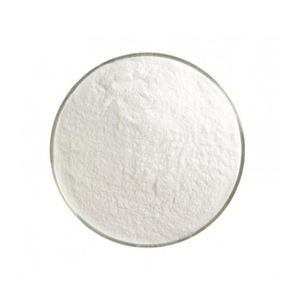
The hollow core acts as a thermal barrier. Glass, being a poor conductor of heat, combined with the trapped air (or inert gas) inside, creates a dual-layer insulation system. This reduces heat transfer via conduction and convection, making HGMs ideal for thermal insulation in buildings or spacecraft. Similarly, their structure scatters sound waves, reducing noise transmission in automotive dashboards or industrial pipelines.
1.2 Formation Mechanisms and Material Science
1.2.1 Surface Tension and Sphere Formation
During manufacturing, molten glass droplets are formed through processes like spraying or atomization. Surface tension forces these droplets into spherical shapes, minimizing surface area for energy efficiency. As the droplets cool, the outer layer solidifies first, trapping gases inside. The degree of hollowness depends on controlled cooling rates and gas injection techniques.
1.2.2 Chemical Stability and Compatibility
HGMs are chemically inert, resisting corrosion from acids, bases, and solvents. This stability allows them to blend seamlessly with polymers, metals, or ceramics without reacting. Their glass composition (primarily silica, soda ash, and limestone) ensures compatibility with various matrices, from epoxy resins in composites to concrete in construction.
2. Manufacturing Processes: From Raw Materials to Refined Particles
2.1 Traditional Production Methods
2.1.1 Glass Melting and Spray Atomization
The classic approach involves melting glass batch materials in a furnace at temperatures exceeding 1,600°C. The molten glass is then atomized into fine droplets using high-pressure air or centrifugal forces. These droplets pass through a cooling chamber where rapid quenching solidifies the outer shell while the interior remains gaseous. Post-processing steps like sieving and surface treatment ensure uniform size distribution and enhance bonding with target materials.
2.1.2 Powder Sintering and Hollow Core Creation
Another method starts with fine glass powder mixed with a blowing agent (e.g., carbon or sulfur compounds). During sintering, the blowing agent decomposes, releasing gases that create internal cavities. Controlled heating profiles prevent collapse, resulting in hollow structures. This technique offers precise control over particle size and wall thickness.
2.2 Modern Technological Innovations
2.2.1 Sol-Gel and Chemical Vapor Deposition (CVD)
Advanced techniques like sol-gel processing allow for nano-scale HGMs with tailored surface properties. Sol-gel involves hydrolyzing metal alkoxides to form a gel, which is then dried and calcined to create porous or hollow structures. CVD deposits thin glass films onto sacrificial templates (e.g., polymer spheres), which are later burned away to leave hollow glass shells. These methods enable customization for specialized applications.
2.2.2 Sustainable and Energy-Efficient Techniques
Emerging approaches focus on reducing energy consumption and environmental impact. For example, flame synthesis uses combustion flames to generate HGMs directly from raw material aerosols, minimizing furnace dependency. Recycling glass waste into HGMs also addresses sustainability concerns, aligning with circular economy principles.
3. Diverse Applications Across Industries
3.1 Aerospace and Automotive Engineering
In aerospace, HGMs reduce the weight of satellite components, rocket propellants, and thermal insulation tiles without compromising strength. Lightweight composites containing HGMs enhance fuel efficiency in aircraft and electric vehicles. For instance, automotive brake pads infused with HGMs maintain durability while minimizing weight, improving energy recovery during braking.
3.2 Construction and Architecture
In building materials, HGMs act as lightweight aggregates in concrete, reducing structural load while improving insulation. They also enhance the performance of paints and coatings by increasing volume without adding weight, reducing material costs. In earthquake-resistant structures, HGMs help create adaptive materials that absorb seismic energy through controlled micro-cracking.
3.3 Biomedical and Environmental Technologies
Medical applications include drug delivery systems where HGMs encapsulate therapeutics for controlled release. Their biocompatibility and non-toxic nature make them suitable for implants or diagnostic tools. Environmental uses involve water purification filters that leverage HGMs’ porous surfaces to adsorb contaminants, or lightweight buoys for oceanographic monitoring systems.
3.4 Consumer Products and Daily Innovations
Everyday items like lightweight sporting goods, sound-dampening wall panels, or high-end cosmetics (as non-abrasive exfoliants) benefit from HGMs. In electronics, they improve the thermal management of circuit boards by acting as heat-resistant fillers.
4. Future Horizons: Challenges and Emerging Opportunities
4.1 Material Advancements and Customization
Research focuses on engineering HGMs with multi-functional surfaces—such as magnetic coatings for targeted drug delivery or conductive layers for smart composites. Nano-structured HGMs could revolutionize energy storage by enhancing battery electrode performance or enabling supercapacitors with higher capacitance.
4.2 Sustainable Production and Circular Economy
Scaling eco-friendly manufacturing processes remains critical. Integration of recycled glass feedstocks, solar-powered furnaces, and zero-waste production lines could reduce the carbon footprint. Closed-loop systems where HGMs are reprocessed after use align with global sustainability goals.
4.3 Overcoming Technical Limitations
Current challenges include controlling particle size distribution for consistency, preventing aggregation in matrices, and improving bonding strength with polymers. Advances in surface modification—like plasma treatment or silane coupling agents—address these issues, enabling stronger, more durable composites.
4.4 Exploring Uncharted Applications
Future applications may include HGMs in quantum computing (as photonics components), artificial reefs for marine conservation, or even space habitat insulation. Collaborative efforts between material scientists, engineers, and industry partners will unlock these novel uses.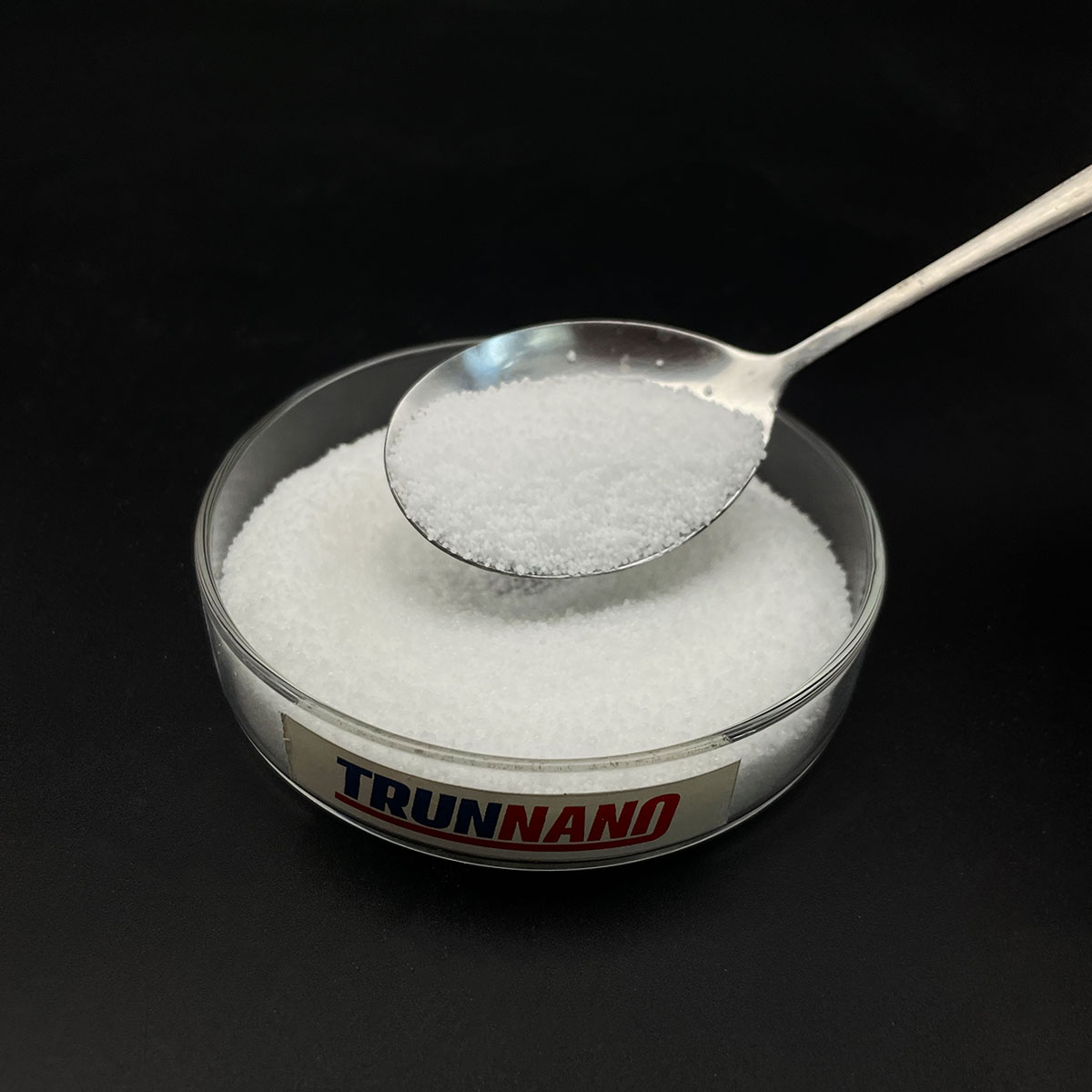
Hollow glass microspheres
5. Conclusion
Hollow glass microspheres exemplify the intersection of material science, engineering, and sustainability. Their unique properties—low density, thermal stability, and chemical inertness—make them indispensable across industries. As manufacturing technologies evolve and new applications emerge, HGMs will continue to drive innovation, offering solutions to global challenges from energy efficiency to environmental conservation. Understanding their science and potential paves the way for a lighter, more efficient, and sustainable future.
6. Supplier
TRUNNANO is a globally recognized Hollow glass microspheres manufacturer and supplier of compounds with more than 12 years of expertise in the highest quality nanomaterials and other chemicals. The company develops a variety of powder materials and chemicals. Provide OEM service. If you need high quality Hollow glass microspheres, please feel free to contact us. You can click on the product to contact us.
Tags: Hollow glass microspheres, Hollow glass, Hollow Glass Beads
1.1 Physical Structure and Unique Properties
1.1.1 Density and Buoyancy Dynamics
Hollow glass microspheres (HGMs) are tiny spherical particles with a gas-filled cavity enclosed by a thin glass shell. Their most distinctive feature is ultra-low density, typically ranging from 0.1 to 0.6 grams per cubic centimeter—far lighter than solid glass (2.5 g/cm³) or most industrial materials. This low density grants HGMs exceptional buoyancy, enabling them to float in liquids like water or resins. In composite materials, they reduce overall weight while maintaining volume, a property highly valued in aerospace and automotive sectors where weight savings translate to fuel efficiency.
Hollow glass microspheres
1.1.2 Thermal and Acoustic Insulation MechanismsThe hollow core acts as a thermal barrier. Glass, being a poor conductor of heat, combined with the trapped air (or inert gas) inside, creates a dual-layer insulation system. This reduces heat transfer via conduction and convection, making HGMs ideal for thermal insulation in buildings or spacecraft. Similarly, their structure scatters sound waves, reducing noise transmission in automotive dashboards or industrial pipelines.
1.2 Formation Mechanisms and Material Science
1.2.1 Surface Tension and Sphere Formation
During manufacturing, molten glass droplets are formed through processes like spraying or atomization. Surface tension forces these droplets into spherical shapes, minimizing surface area for energy efficiency. As the droplets cool, the outer layer solidifies first, trapping gases inside. The degree of hollowness depends on controlled cooling rates and gas injection techniques.
1.2.2 Chemical Stability and Compatibility
HGMs are chemically inert, resisting corrosion from acids, bases, and solvents. This stability allows them to blend seamlessly with polymers, metals, or ceramics without reacting. Their glass composition (primarily silica, soda ash, and limestone) ensures compatibility with various matrices, from epoxy resins in composites to concrete in construction.
2. Manufacturing Processes: From Raw Materials to Refined Particles
2.1 Traditional Production Methods
2.1.1 Glass Melting and Spray Atomization
The classic approach involves melting glass batch materials in a furnace at temperatures exceeding 1,600°C. The molten glass is then atomized into fine droplets using high-pressure air or centrifugal forces. These droplets pass through a cooling chamber where rapid quenching solidifies the outer shell while the interior remains gaseous. Post-processing steps like sieving and surface treatment ensure uniform size distribution and enhance bonding with target materials.
2.1.2 Powder Sintering and Hollow Core Creation
Another method starts with fine glass powder mixed with a blowing agent (e.g., carbon or sulfur compounds). During sintering, the blowing agent decomposes, releasing gases that create internal cavities. Controlled heating profiles prevent collapse, resulting in hollow structures. This technique offers precise control over particle size and wall thickness.
2.2 Modern Technological Innovations
2.2.1 Sol-Gel and Chemical Vapor Deposition (CVD)
Advanced techniques like sol-gel processing allow for nano-scale HGMs with tailored surface properties. Sol-gel involves hydrolyzing metal alkoxides to form a gel, which is then dried and calcined to create porous or hollow structures. CVD deposits thin glass films onto sacrificial templates (e.g., polymer spheres), which are later burned away to leave hollow glass shells. These methods enable customization for specialized applications.
2.2.2 Sustainable and Energy-Efficient Techniques
Emerging approaches focus on reducing energy consumption and environmental impact. For example, flame synthesis uses combustion flames to generate HGMs directly from raw material aerosols, minimizing furnace dependency. Recycling glass waste into HGMs also addresses sustainability concerns, aligning with circular economy principles.
3. Diverse Applications Across Industries
3.1 Aerospace and Automotive Engineering
In aerospace, HGMs reduce the weight of satellite components, rocket propellants, and thermal insulation tiles without compromising strength. Lightweight composites containing HGMs enhance fuel efficiency in aircraft and electric vehicles. For instance, automotive brake pads infused with HGMs maintain durability while minimizing weight, improving energy recovery during braking.
3.2 Construction and Architecture
In building materials, HGMs act as lightweight aggregates in concrete, reducing structural load while improving insulation. They also enhance the performance of paints and coatings by increasing volume without adding weight, reducing material costs. In earthquake-resistant structures, HGMs help create adaptive materials that absorb seismic energy through controlled micro-cracking.
3.3 Biomedical and Environmental Technologies
Medical applications include drug delivery systems where HGMs encapsulate therapeutics for controlled release. Their biocompatibility and non-toxic nature make them suitable for implants or diagnostic tools. Environmental uses involve water purification filters that leverage HGMs’ porous surfaces to adsorb contaminants, or lightweight buoys for oceanographic monitoring systems.
3.4 Consumer Products and Daily Innovations
Everyday items like lightweight sporting goods, sound-dampening wall panels, or high-end cosmetics (as non-abrasive exfoliants) benefit from HGMs. In electronics, they improve the thermal management of circuit boards by acting as heat-resistant fillers.
4. Future Horizons: Challenges and Emerging Opportunities
4.1 Material Advancements and Customization
Research focuses on engineering HGMs with multi-functional surfaces—such as magnetic coatings for targeted drug delivery or conductive layers for smart composites. Nano-structured HGMs could revolutionize energy storage by enhancing battery electrode performance or enabling supercapacitors with higher capacitance.
4.2 Sustainable Production and Circular Economy
Scaling eco-friendly manufacturing processes remains critical. Integration of recycled glass feedstocks, solar-powered furnaces, and zero-waste production lines could reduce the carbon footprint. Closed-loop systems where HGMs are reprocessed after use align with global sustainability goals.
4.3 Overcoming Technical Limitations
Current challenges include controlling particle size distribution for consistency, preventing aggregation in matrices, and improving bonding strength with polymers. Advances in surface modification—like plasma treatment or silane coupling agents—address these issues, enabling stronger, more durable composites.
4.4 Exploring Uncharted Applications
Future applications may include HGMs in quantum computing (as photonics components), artificial reefs for marine conservation, or even space habitat insulation. Collaborative efforts between material scientists, engineers, and industry partners will unlock these novel uses.
Hollow glass microspheres
Hollow glass microspheres exemplify the intersection of material science, engineering, and sustainability. Their unique properties—low density, thermal stability, and chemical inertness—make them indispensable across industries. As manufacturing technologies evolve and new applications emerge, HGMs will continue to drive innovation, offering solutions to global challenges from energy efficiency to environmental conservation. Understanding their science and potential paves the way for a lighter, more efficient, and sustainable future.
6. Supplier
TRUNNANO is a globally recognized Hollow glass microspheres manufacturer and supplier of compounds with more than 12 years of expertise in the highest quality nanomaterials and other chemicals. The company develops a variety of powder materials and chemicals. Provide OEM service. If you need high quality Hollow glass microspheres, please feel free to contact us. You can click on the product to contact us.
Tags: Hollow glass microspheres, Hollow glass, Hollow Glass Beads
Leave a Reply
Your email address will not be published.Required fields are marked. *