
By Vincy | 27 March 2026 | 0 Comments
Molybdenum Sulfide: From Industrial Lubricant to the Vanguard of 2D Electronics
Molybdenum sulfide, chemically represented as MoS2, is a versatile inorganic compound that has evolved from a humble mineral into a cornerstone of modern tribology and a revolutionary material in the field of nanotechnology. Often recognized by its lead-gray appearance and greasy feel, this transition metal dichalcogenide (TMD) possesses a unique layered crystal structure that endows it with exceptional physical and chemical properties. While it has served industry for centuries as a superior solid lubricant, the exfoliation of molybdenum sulfide into atomically thin two-dimensional layers has recently unveiled a treasure trove of electronic and optical characteristics. This dual identity—serving as both a rugged industrial protector and a delicate semiconductor—makes molybdenum sulfide a subject of intense scientific scrutiny and commercial interest.

Molybdenum disulfide
The Atomic Architecture: A Sandwich of Stability
To understand the multifaceted applications of molybdenum sulfide, one must first look at its atomic architecture. The material crystallizes in a layered hexagonal structure, often described as a "sandwich." In this configuration, a plane of molybdenum atoms is covalently bonded between two planes of sulfur atoms. This intra-layer bonding is incredibly strong, providing the material with high thermal stability and mechanical strength within the plane.
However, the magic lies in the interaction between these sandwiches. The sulfur layers of adjacent units are held together not by strong covalent bonds, but by weak van der Waals forces. This anisotropic bonding is the fundamental reason for the material's most famous property: lubricity. Because the interlayer attraction is weak, the layers can easily slide over one another with minimal shear force. This structural characteristic allows molybdenum sulfide to act as a dry lubricant, preventing metal-to-metal contact even under extreme conditions where liquid lubricants would fail.
Tribological Mastery: The King of Solid Lubricants
For decades, the primary commercial application of molybdenum sulfide has been in the field of tribology—the science of interacting surfaces in relative motion. It is frequently referred to as the "King of Solid Lubricants" due to its ability to function in environments that would destroy conventional oils and greases.
The coefficient of friction for molybdenum sulfide is remarkably low, typically ranging between 0.03 and 0.09. This low friction is maintained across a vast temperature range, from cryogenic temperatures of -180°C up to 350°C in air. In inert atmospheres or vacuum environments, such as those found in space applications, molybdenum sulfide can withstand temperatures exceeding 1000°C without decomposing.
Unlike graphite, which relies on adsorbed water vapor to maintain its lubricating properties, molybdenum sulfide performs exceptionally well in high vacuums. This makes it indispensable for aerospace engineering, where it is used in the bearings, gears, and mechanisms of satellites and spacecraft. In the automotive industry, it is often added to engine oils and greases as an additive. By forming a protective film on metal surfaces, it reduces wear, minimizes friction losses, and improves fuel efficiency. It is particularly effective in high-load scenarios, such as the gearboxes of heavy machinery or the engines of high-performance vehicles, where it prevents the welding of asperities (microscopic high points) on metal surfaces.
Phase Engineering: The 2H and 1T Polymorphs
Beyond its mechanical utility, molybdenum sulfide exhibits fascinating electronic behaviors that depend heavily on its crystal phase. The material exists in different polymorphs, primarily the 2H phase and the 1T phase.
The 2H phase is the thermodynamically stable form found in nature. In this configuration, the molybdenum atom is coordinated by six sulfur atoms in a trigonal prismatic geometry. This phase is a semiconductor, making it highly valuable for electronic applications.
In contrast, the 1T phase features an octahedral coordination geometry. This phase is metastable and exhibits metallic conductivity. Scientists have developed methods to induce a phase transition from the semiconducting 2H phase to the metallic 1T phase, often through chemical exfoliation or plasma treatment. This ability to tune the electrical properties of molybdenum sulfide simply by altering its atomic arrangement opens up possibilities for creating phase-engineered devices where conductive and semiconducting regions coexist within the same nanosheet. 
Molybdenum disulfide
The 2D Revolution: A Challenger to Silicon
The isolation of graphene sparked a global interest in two-dimensional materials, and molybdenum sulfide quickly emerged as a leading candidate for next-generation electronics. While graphene is a zero-bandgap semimetal, which limits its use in digital logic (it cannot be easily switched "off"), bulk molybdenum sulfide is an indirect bandgap semiconductor with a gap of approximately 1.2 eV.
The true wonder occurs when molybdenum sulfide is thinned down to a single monolayer. Due to quantum confinement effects, the material undergoes a transition from an indirect bandgap to a direct bandgap of approximately 1.8 eV. This direct bandgap lies in the visible range of the spectrum, making single-layer molybdenum sulfide highly efficient at absorbing and emitting light.
This property positions molybdenum sulfide as a potential successor to silicon in the realm of miniaturized transistors. As silicon chips approach their physical scaling limits, the atomically thin nature of molybdenum sulfide allows for the creation of Field-Effect Transistors (FETs) with channel lengths of just a few nanometers. These transistors exhibit high on/off current ratios and excellent switching characteristics, essential for low-power logic circuits. Furthermore, the flexibility of the 2D sheets allows for the development of flexible and wearable electronics that can bend and stretch without losing functionality.
Optoelectronics and Photonics
The direct bandgap of monolayer molybdenum sulfide also makes it a star player in optoelectronics. When photons strike the material, they generate electron-hole pairs (excitons) with high efficiency. This sensitivity to light is exploited in the creation of high-performance photodetectors.
Molybdenum sulfide-based photodetectors can respond to light across a broad spectrum, from the visible to the near-infrared. They are capable of detecting very low light levels, making them suitable for night vision technologies and optical communications. Additionally, the material's ability to convert light into electricity is being harnessed for next-generation solar cells. By stacking layers of molybdenum sulfide with other 2D materials, researchers are building van der Waals heterostructures—essentially "Lego-like" assemblies of atomic layers—that can be tuned to capture specific wavelengths of sunlight more efficiently than traditional silicon panels.
Energy Storage: Powering the Future
The energy sector is also looking to molybdenum sulfide to solve critical challenges in storage and generation. In the realm of Lithium-Ion Batteries (LIBs), molybdenum sulfide is investigated as a high-capacity anode material. The layered structure provides ample space for lithium ions to intercalate (insert) and de-intercalate during charging and discharging cycles.
Theoretical calculations suggest that molybdenum sulfide can offer a specific capacity significantly higher than that of traditional graphite anodes. However, challenges such as volume expansion during lithiation remain a focus of current research. Nanostructuring the material—creating nanosheets, nanoflowers, or quantum dots—helps accommodate this expansion and shortens the diffusion path for ions, leading to faster charging times and longer battery life.
Furthermore, molybdenum sulfide is a promising catalyst for the Hydrogen Evolution Reaction (HER). As the world moves towards green hydrogen as a clean fuel, efficient electrolysis of water is crucial. Currently, platinum is the best catalyst for this reaction, but it is prohibitively expensive. Molybdenum sulfide, particularly its edge sites, has shown remarkable catalytic activity comparable to platinum. By engineering the material to maximize the number of exposed edge sites, scientists are developing cost-effective catalysts that could make green hydrogen a viable alternative to fossil fuels. 
Molybdenum disulfide
Catalysis in the Petroleum Industry
Long before the nano-revolution, molybdenum sulfide was already a workhorse in the petroleum industry. It serves as a primary catalyst for hydrodesulfurization (HDS). This process is essential for removing sulfur from crude oil to prevent the emission of sulfur dioxide, a major contributor to acid rain, when fuels are burned.
In this application, molybdenum sulfide is often promoted with cobalt or nickel to enhance its activity. The catalyst works by breaking the carbon-sulfur bonds in organic sulfur compounds, replacing them with hydrogen to form hydrogen sulfide, which is then removed. The robust nature of molybdenum sulfide allows it to withstand the high temperatures and pressures required for this industrial process, making it indispensable for meeting environmental regulations regarding fuel cleanliness.
Comparative Analysis: Molybdenum Sulfide vs. The World
To truly appreciate the niche molybdenum sulfide occupies, it is helpful to compare it with other prominent materials in its class.
When compared to graphite, another common solid lubricant, molybdenum sulfide demonstrates distinct advantages in specific environments. Graphite requires the presence of moisture to maintain a low coefficient of friction; in a vacuum, graphite layers can actually cold-weld, leading to high friction and wear. Molybdenum sulfide, conversely, thrives in a vacuum, making it the superior choice for space applications. However, graphite generally has better oxidation resistance at very high temperatures in air, whereas molybdenum sulfide begins to oxidize to molybdenum trioxide (MoO3) at temperatures above 400°C in the presence of oxygen.
In the semiconductor arena, the comparison with silicon is inevitable. Silicon has a well-established manufacturing infrastructure and excellent charge carrier mobility. However, silicon is an indirect bandgap material in its bulk form and suffers from short-channel effects when scaled down to atomic dimensions. Molybdenum sulfide, with its natural atomic thickness and direct bandgap in monolayer form, offers superior electrostatic control over the channel, effectively suppressing leakage currents that plague nanoscale silicon transistors.
Compared to graphene, molybdenum sulfide lacks the ultra-high carrier mobility (speed of electrons). Graphene electrons can move ballistically at incredible speeds. However, graphene's lack of a bandgap is a fatal flaw for digital logic applications where a clear "on" and "off" state is required. Molybdenum sulfide offers a "Goldilocks" compromise: while its mobility is lower than graphene, it possesses a natural and tunable bandgap that allows for the creation of efficient switches, which is the fundamental requirement of modern computing.
Synthesis and Fabrication Techniques
The quality of molybdenum sulfide determines its performance, and various synthesis methods have been developed to produce it for different applications.
For industrial lubrication and catalysis, natural molybdenum sulfide is often purified from the mineral molybdenite through flotation and acid leaching. This yields high-purity powders suitable for greases and coatings.
For high-tech electronic applications, however, synthetic methods are required to ensure atomic-level perfection. Chemical Vapor Deposition (CVD) is the most promising technique for growing large-area, high-quality molybdenum sulfide films. In this process, molybdenum oxide and sulfur precursors are reacted at high temperatures to deposit thin films onto substrates like silicon dioxide or sapphire. Recent advances in CVD have allowed for the growth of wafer-scale single-crystal films, a crucial step toward commercial manufacturing of molybdenum sulfide-based chips.
Liquid-phase exfoliation is another method, where bulk crystals are sonicated in solvents to peel off thin layers. While this method is scalable and cost-effective for producing inks for printed electronics or battery slurries, it often results in flakes with varying thicknesses and lateral sizes, which can be detrimental to device uniformity. 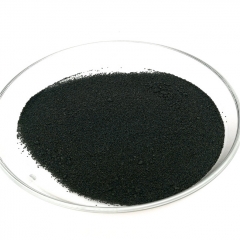
Molybdenum disulfide
Future Perspectives and Challenges
Despite the immense potential, the path to widespread adoption of molybdenum sulfide in high-tech applications is not without hurdles. One of the primary challenges is the contact resistance between molybdenum sulfide films and metal electrodes. Because the material is so thin, the interface quality significantly impacts the overall performance of the device. Ensuring ohmic contact—where current flows easily—is a major area of research.
Furthermore, while CVD has shown promise, achieving 100% uniformity across large wafers remains difficult. Defects such as grain boundaries or sulfur vacancies can act as scattering centers for electrons, reducing mobility, or as recombination centers for holes, reducing light emission efficiency.
Environmental stability is another consideration. While stable in inert conditions, monolayer molybdenum sulfide can degrade when exposed to ambient air and light over long periods. Encapsulation techniques using other 2D materials, such as hexagonal boron nitride, are being developed to protect the sensitive layers without compromising their electronic properties.
The journey of molybdenum sulfide from a simple lubricant to a high-tech semiconductor illustrates the power of material science. By manipulating matter at the atomic scale, we can unlock properties that were previously hidden. As research continues to refine synthesis methods and device architectures, molybdenum sulfide stands poised to play a pivotal role in the technologies of tomorrow, powering everything from the smallest wearable sensor to the largest satellite constellation. 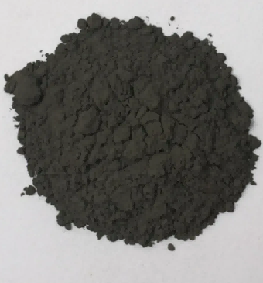
Molybdenum disulfide
TRUNNANO CEO Roger Luo said:"Current research is aggressively scaling up wafer-level production of high-quality molybdenum sulfide to bridge the gap between laboratory innovation and commercial semiconductor manufacturing.”
Supplier
TRUNNANO is a globally recognized molybdenum sulfide manufacturer and supplier of compounds with more than 12 years of expertise in the highest quality nanomaterials and other chemicals. The company develops a variety of powder materials and chemicals. Provide OEM service. If you need high quality molybdenum sulfide, please feel free to contact us. You can click on the product to contact us.
Tags: Molybdenum disulfide, molybdenum sulfide, MoS2
Molybdenum disulfide
The Atomic Architecture: A Sandwich of Stability
To understand the multifaceted applications of molybdenum sulfide, one must first look at its atomic architecture. The material crystallizes in a layered hexagonal structure, often described as a "sandwich." In this configuration, a plane of molybdenum atoms is covalently bonded between two planes of sulfur atoms. This intra-layer bonding is incredibly strong, providing the material with high thermal stability and mechanical strength within the plane.
However, the magic lies in the interaction between these sandwiches. The sulfur layers of adjacent units are held together not by strong covalent bonds, but by weak van der Waals forces. This anisotropic bonding is the fundamental reason for the material's most famous property: lubricity. Because the interlayer attraction is weak, the layers can easily slide over one another with minimal shear force. This structural characteristic allows molybdenum sulfide to act as a dry lubricant, preventing metal-to-metal contact even under extreme conditions where liquid lubricants would fail.
Tribological Mastery: The King of Solid Lubricants
For decades, the primary commercial application of molybdenum sulfide has been in the field of tribology—the science of interacting surfaces in relative motion. It is frequently referred to as the "King of Solid Lubricants" due to its ability to function in environments that would destroy conventional oils and greases.
The coefficient of friction for molybdenum sulfide is remarkably low, typically ranging between 0.03 and 0.09. This low friction is maintained across a vast temperature range, from cryogenic temperatures of -180°C up to 350°C in air. In inert atmospheres or vacuum environments, such as those found in space applications, molybdenum sulfide can withstand temperatures exceeding 1000°C without decomposing.
Unlike graphite, which relies on adsorbed water vapor to maintain its lubricating properties, molybdenum sulfide performs exceptionally well in high vacuums. This makes it indispensable for aerospace engineering, where it is used in the bearings, gears, and mechanisms of satellites and spacecraft. In the automotive industry, it is often added to engine oils and greases as an additive. By forming a protective film on metal surfaces, it reduces wear, minimizes friction losses, and improves fuel efficiency. It is particularly effective in high-load scenarios, such as the gearboxes of heavy machinery or the engines of high-performance vehicles, where it prevents the welding of asperities (microscopic high points) on metal surfaces.
Phase Engineering: The 2H and 1T Polymorphs
Beyond its mechanical utility, molybdenum sulfide exhibits fascinating electronic behaviors that depend heavily on its crystal phase. The material exists in different polymorphs, primarily the 2H phase and the 1T phase.
The 2H phase is the thermodynamically stable form found in nature. In this configuration, the molybdenum atom is coordinated by six sulfur atoms in a trigonal prismatic geometry. This phase is a semiconductor, making it highly valuable for electronic applications.
In contrast, the 1T phase features an octahedral coordination geometry. This phase is metastable and exhibits metallic conductivity. Scientists have developed methods to induce a phase transition from the semiconducting 2H phase to the metallic 1T phase, often through chemical exfoliation or plasma treatment. This ability to tune the electrical properties of molybdenum sulfide simply by altering its atomic arrangement opens up possibilities for creating phase-engineered devices where conductive and semiconducting regions coexist within the same nanosheet.
Molybdenum disulfide
The 2D Revolution: A Challenger to Silicon
The isolation of graphene sparked a global interest in two-dimensional materials, and molybdenum sulfide quickly emerged as a leading candidate for next-generation electronics. While graphene is a zero-bandgap semimetal, which limits its use in digital logic (it cannot be easily switched "off"), bulk molybdenum sulfide is an indirect bandgap semiconductor with a gap of approximately 1.2 eV.
The true wonder occurs when molybdenum sulfide is thinned down to a single monolayer. Due to quantum confinement effects, the material undergoes a transition from an indirect bandgap to a direct bandgap of approximately 1.8 eV. This direct bandgap lies in the visible range of the spectrum, making single-layer molybdenum sulfide highly efficient at absorbing and emitting light.
This property positions molybdenum sulfide as a potential successor to silicon in the realm of miniaturized transistors. As silicon chips approach their physical scaling limits, the atomically thin nature of molybdenum sulfide allows for the creation of Field-Effect Transistors (FETs) with channel lengths of just a few nanometers. These transistors exhibit high on/off current ratios and excellent switching characteristics, essential for low-power logic circuits. Furthermore, the flexibility of the 2D sheets allows for the development of flexible and wearable electronics that can bend and stretch without losing functionality.
Optoelectronics and Photonics
The direct bandgap of monolayer molybdenum sulfide also makes it a star player in optoelectronics. When photons strike the material, they generate electron-hole pairs (excitons) with high efficiency. This sensitivity to light is exploited in the creation of high-performance photodetectors.
Molybdenum sulfide-based photodetectors can respond to light across a broad spectrum, from the visible to the near-infrared. They are capable of detecting very low light levels, making them suitable for night vision technologies and optical communications. Additionally, the material's ability to convert light into electricity is being harnessed for next-generation solar cells. By stacking layers of molybdenum sulfide with other 2D materials, researchers are building van der Waals heterostructures—essentially "Lego-like" assemblies of atomic layers—that can be tuned to capture specific wavelengths of sunlight more efficiently than traditional silicon panels.
Energy Storage: Powering the Future
The energy sector is also looking to molybdenum sulfide to solve critical challenges in storage and generation. In the realm of Lithium-Ion Batteries (LIBs), molybdenum sulfide is investigated as a high-capacity anode material. The layered structure provides ample space for lithium ions to intercalate (insert) and de-intercalate during charging and discharging cycles.
Theoretical calculations suggest that molybdenum sulfide can offer a specific capacity significantly higher than that of traditional graphite anodes. However, challenges such as volume expansion during lithiation remain a focus of current research. Nanostructuring the material—creating nanosheets, nanoflowers, or quantum dots—helps accommodate this expansion and shortens the diffusion path for ions, leading to faster charging times and longer battery life.
Furthermore, molybdenum sulfide is a promising catalyst for the Hydrogen Evolution Reaction (HER). As the world moves towards green hydrogen as a clean fuel, efficient electrolysis of water is crucial. Currently, platinum is the best catalyst for this reaction, but it is prohibitively expensive. Molybdenum sulfide, particularly its edge sites, has shown remarkable catalytic activity comparable to platinum. By engineering the material to maximize the number of exposed edge sites, scientists are developing cost-effective catalysts that could make green hydrogen a viable alternative to fossil fuels.
Molybdenum disulfide
Catalysis in the Petroleum Industry
Long before the nano-revolution, molybdenum sulfide was already a workhorse in the petroleum industry. It serves as a primary catalyst for hydrodesulfurization (HDS). This process is essential for removing sulfur from crude oil to prevent the emission of sulfur dioxide, a major contributor to acid rain, when fuels are burned.
In this application, molybdenum sulfide is often promoted with cobalt or nickel to enhance its activity. The catalyst works by breaking the carbon-sulfur bonds in organic sulfur compounds, replacing them with hydrogen to form hydrogen sulfide, which is then removed. The robust nature of molybdenum sulfide allows it to withstand the high temperatures and pressures required for this industrial process, making it indispensable for meeting environmental regulations regarding fuel cleanliness.
Comparative Analysis: Molybdenum Sulfide vs. The World
To truly appreciate the niche molybdenum sulfide occupies, it is helpful to compare it with other prominent materials in its class.
When compared to graphite, another common solid lubricant, molybdenum sulfide demonstrates distinct advantages in specific environments. Graphite requires the presence of moisture to maintain a low coefficient of friction; in a vacuum, graphite layers can actually cold-weld, leading to high friction and wear. Molybdenum sulfide, conversely, thrives in a vacuum, making it the superior choice for space applications. However, graphite generally has better oxidation resistance at very high temperatures in air, whereas molybdenum sulfide begins to oxidize to molybdenum trioxide (MoO3) at temperatures above 400°C in the presence of oxygen.
In the semiconductor arena, the comparison with silicon is inevitable. Silicon has a well-established manufacturing infrastructure and excellent charge carrier mobility. However, silicon is an indirect bandgap material in its bulk form and suffers from short-channel effects when scaled down to atomic dimensions. Molybdenum sulfide, with its natural atomic thickness and direct bandgap in monolayer form, offers superior electrostatic control over the channel, effectively suppressing leakage currents that plague nanoscale silicon transistors.
Compared to graphene, molybdenum sulfide lacks the ultra-high carrier mobility (speed of electrons). Graphene electrons can move ballistically at incredible speeds. However, graphene's lack of a bandgap is a fatal flaw for digital logic applications where a clear "on" and "off" state is required. Molybdenum sulfide offers a "Goldilocks" compromise: while its mobility is lower than graphene, it possesses a natural and tunable bandgap that allows for the creation of efficient switches, which is the fundamental requirement of modern computing.
Synthesis and Fabrication Techniques
The quality of molybdenum sulfide determines its performance, and various synthesis methods have been developed to produce it for different applications.
For industrial lubrication and catalysis, natural molybdenum sulfide is often purified from the mineral molybdenite through flotation and acid leaching. This yields high-purity powders suitable for greases and coatings.
For high-tech electronic applications, however, synthetic methods are required to ensure atomic-level perfection. Chemical Vapor Deposition (CVD) is the most promising technique for growing large-area, high-quality molybdenum sulfide films. In this process, molybdenum oxide and sulfur precursors are reacted at high temperatures to deposit thin films onto substrates like silicon dioxide or sapphire. Recent advances in CVD have allowed for the growth of wafer-scale single-crystal films, a crucial step toward commercial manufacturing of molybdenum sulfide-based chips.
Liquid-phase exfoliation is another method, where bulk crystals are sonicated in solvents to peel off thin layers. While this method is scalable and cost-effective for producing inks for printed electronics or battery slurries, it often results in flakes with varying thicknesses and lateral sizes, which can be detrimental to device uniformity.
Molybdenum disulfide
Future Perspectives and Challenges
Despite the immense potential, the path to widespread adoption of molybdenum sulfide in high-tech applications is not without hurdles. One of the primary challenges is the contact resistance between molybdenum sulfide films and metal electrodes. Because the material is so thin, the interface quality significantly impacts the overall performance of the device. Ensuring ohmic contact—where current flows easily—is a major area of research.
Furthermore, while CVD has shown promise, achieving 100% uniformity across large wafers remains difficult. Defects such as grain boundaries or sulfur vacancies can act as scattering centers for electrons, reducing mobility, or as recombination centers for holes, reducing light emission efficiency.
Environmental stability is another consideration. While stable in inert conditions, monolayer molybdenum sulfide can degrade when exposed to ambient air and light over long periods. Encapsulation techniques using other 2D materials, such as hexagonal boron nitride, are being developed to protect the sensitive layers without compromising their electronic properties.
The journey of molybdenum sulfide from a simple lubricant to a high-tech semiconductor illustrates the power of material science. By manipulating matter at the atomic scale, we can unlock properties that were previously hidden. As research continues to refine synthesis methods and device architectures, molybdenum sulfide stands poised to play a pivotal role in the technologies of tomorrow, powering everything from the smallest wearable sensor to the largest satellite constellation.
Molybdenum disulfide
TRUNNANO CEO Roger Luo said:"Current research is aggressively scaling up wafer-level production of high-quality molybdenum sulfide to bridge the gap between laboratory innovation and commercial semiconductor manufacturing.”
Supplier
TRUNNANO is a globally recognized molybdenum sulfide manufacturer and supplier of compounds with more than 12 years of expertise in the highest quality nanomaterials and other chemicals. The company develops a variety of powder materials and chemicals. Provide OEM service. If you need high quality molybdenum sulfide, please feel free to contact us. You can click on the product to contact us.
Tags: Molybdenum disulfide, molybdenum sulfide, MoS2
Leave a Reply
Your email address will not be published.Required fields are marked. *