
By hao | 11 February 2026 | 0 Comments
Widely Application of Silicon Oxide
Introduction
Silicon oxide (SiO₂), also known as silicon dioxide, is a compound widely found in nature and is found in a variety of minerals such as sand, quartz, and diatomaceous earth. Silicon oxide has a wide range of applications in industry, technology, and daily life due to its excellent physical and chemical properties, such as high melting point, chemical stability, heat resistance, and insulation. This article will explore the application of silicon oxide in different fields.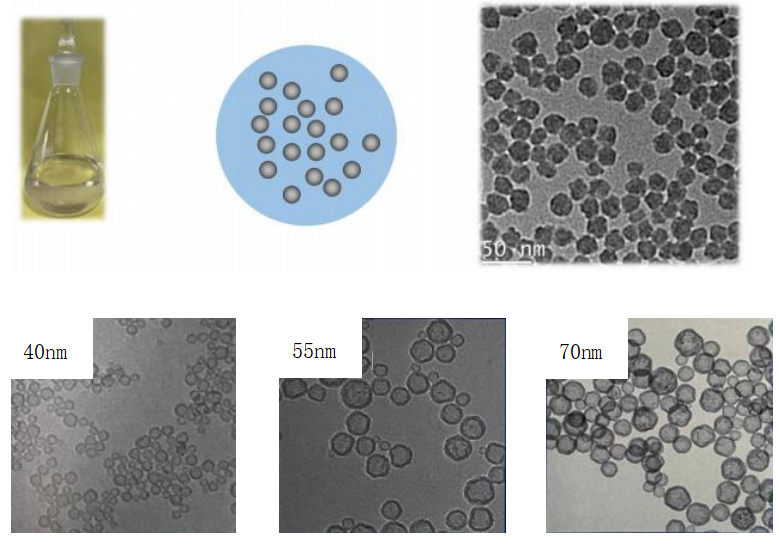 1. Construction Industry
Silicon oxide plays an indispensable role in the construction industry. The most common form is glass, which is made by heating quartz sand to high temperature and then cooling it. Glass is not only used as a transparent material on the surface of buildings, such as windows and doors but is also used to make decorative glass products. In addition, the silicate component in silicate cement is also derived from silicon oxide, which is one of the main components of concrete and provides a solid support for buildings.
2. Electronics Industry
In the electronics industry, the importance of silicon oxide cannot be ignored. Silicon is the most commonly used material in semiconductor devices, and pure silicon is extracted through a series of processes based on high-purity silicon oxide. In the manufacturing process of integrated circuits, silicon oxide is widely used as an insulating material. It is good to isolate different parts of the circuit and ensure the normal operation of electronic equipment. In addition, silicon oxide is also used to manufacture optical fibers for information transmission. Due to its low loss and high bandwidth characteristics, it has become an important part of modern communication networks.
3. Cosmetics Industry
In the cosmetics industry, silicon oxide is also widely used. It is used as a filler and thickener to increase the texture of the product and make the cosmetics more delicate and smooth. In addition, silicon oxide also has the function of absorbing oil and adsorbing moisture. It also can be used in skin care products such as oil control and sunscreen to help maintain the refreshing state of the skin.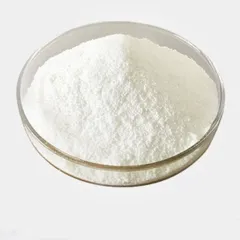
Silicon oxide
4. Food Industry
In the food industry, silicon oxide is approved as a food additive (E551) to prevent caking and absorb moisture. Especially in foods that are prone to caking, such as seasonings, frostings, and spices, adding an appropriate amount of silicon oxide can help maintain the fluidity of granular substances and ensure product quality.
5. Pharmaceutical Industry
In the pharmaceutical industry, silicon oxide also plays an important role. It can be used as a pharmaceutical excipient, a filler, a binder, a disintegrant, etc., for tablets, which helps to improve the processability and stability of drugs. In addition, porous silicon oxide materials have also been developed for drug sustained-release carriers to improve therapeutic effects by controlling the release rate.
Conclusion
Because of its unique physical and chemical properties, silicon oxide has shown great application potential in many fields. With the development of science and technology, the application of silicon oxide will continue to expand in the future, bringing more convenience and possibilities to human life.
This article outlines the application of silicon oxide in the construction, electronics, cosmetics, food and pharmaceutical industries, showing the important position of this simple compound in modern society. With the deepening of research and the advancement of technology, the application prospects of silicon oxide will be broader.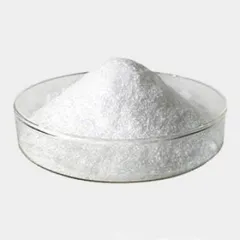
Silicon oxide
Similarly, in the pursuit of solid-state quantum memories and single-photon sources, silicon dioxide finds new purpose as a host matrix. Rare-earth ions, such as erbium, can be doped into thin films of silica. When cooled to cryogenic temperatures, these ions within the amorphous silica matrix can exhibit coherent optical transitions, making them promising candidates for storing quantum information carried by photons. The silica host provides a stable, low-phonon-energy environment that helps protect the quantum states of the ions.
Moving from the quantum to the nanoscale, silicon oxide is indispensable in nanofabrication and nanoelectromechanical systems (NEMS). As a sacrificial layer, silicon dioxide is the workhorse of surface micromachining. Structures are built on top of a deposited oxide layer, which is later selectively etched away using hydrofluoric acid (HF), leaving freestanding mechanical elements like cantilevers, bridges, and membranes. This process is fundamental to creating the tiny sensors and actuators found in everything from accelerometers in smartphones to ultra-sensitive mass detectors in laboratory equipment.
Beyond these established roles, silicon oxide is at the heart of one of the most revolutionary concepts in data storage: resistive random-access memory (ReRAM). In one common ReRAM architecture, a thin film of silicon dioxide (SiO*x*, where x < 2) is sandwiched between two metal electrodes. This silicon-rich silica is not a perfect insulator. By applying a voltage, conductive filaments—often composed of oxygen vacancies—can form and break within the oxide layer, switching the device between a high-resistance state (OFF, "0") and a low-resistance state (ON, "1"). This bi-stable switching forms the basis of a non-volatile memory cell. Silicon oxide-based ReRAM promises faster write speeds, lower power consumption, and higher endurance than conventional Flash memory, potentially paving the way for universal memory that could replace both DRAM and storage drives.
Silicon oxide
The quest for clean hydrogen fuel leverages silica in high-temperature electrolysis and catalysis. In solid oxide electrolyzer cells (SOECs), which split water into hydrogen and oxygen using electricity and heat, silica is often a component in the sealing glasses and insulating parts that must withstand temperatures above 700°C. While pure silica is not typically the active electrolyte (yttria-stabilized zirconia is), its derivatives and composites are essential for the cell's structural integrity. Silica is also a key support material for catalysts used in hydrogen production reactions like steam reforming and in the purification of hydrogen streams.
Environmental remediation is another critical arena. Mesoporous silica materials, such as MCM-41 and SBA-15, engineered with uniform pore sizes in the 2-50 nm range, act as superb adsorbent platforms. Their surfaces can be chemically functionalized with organic groups (creating hybrid materials called periodic mesoporous organosilicas, PMOs) designed to capture specific pollutants. For example, amine-functionalized silica can effectively capture carbon dioxide (CO₂) from flue gas or directly from the air. Thiol-functionalized silica is excellent at binding toxic heavy metals like mercury, lead, and cadmium from wastewater. This "designer adsorbent" approach allows for highly selective and efficient removal of contaminants.
Finally, silica contributes to sustainable building and insulation. Fumed silica, a nanopowder with extremely low thermal conductivity, is a key component in high-performance vacuum insulation panels (VIPs). These panels, with thermal resistance up to ten times greater than conventional foam insulation, enable slimmer walls with superior energy efficiency, crucial for reducing heating and cooling energy demands in buildings. Glass wool and rock wool, staple insulation materials, are also silicate-based, relying on trapped air within their fibrous, silica-rich matrix to impede heat flow.
Silicon oxide
Silica also serves as a versatile platform for biosensing and diagnostics. Porous silica nanoparticles can encapsulate fluorescent dyes or contrast agents, shielding them from degradation and enabling their use as stable, bright markers for imaging cells and tissues. Furthermore, the surface of silica beads or chips can be easily modified with antibodies, DNA strands, or other biorecognition elements to create sensitive diagnostic assays. The large surface area allows for high loading of capture molecules, enhancing detection sensitivity for pathogens, biomarkers, or specific genes.
On a more fundamental level, silica is the bedrock of DNA sequencing and microarray technology. The glass slide in a DNA microarray provides an ultra-flat, chemically modifiable surface to which thousands of DNA probes are attached, enabling massive parallel genetic analysis. In next-generation sequencing platforms, amplified DNA clusters are often anchored to a glass flow cell coated with silica, where fluorescently labeled nucleotides are sequentially added and imaged.
Silicon oxide
Conservators also use silica gels for controlled humidity buffering. Silica gel, with its vast microporous network, is a superb desiccant. In display cases and storage containers for sensitive artifacts made of wood, paper, textiles, or metals, conditioned silica gel (with specific moisture content) is placed to actively absorb or release water vapor, maintaining a constant relative humidity. This prevents damage caused by cyclical swelling, shrinking, corrosion, or mold growth, ensuring the long-term preservation of priceless cultural objects.
The material's own history is fascinating. Historical glassmaking is the ancient art of manipulating silicon oxide. From the beautiful imperfections of Roman blown glass to the stained-glass windows of Gothic cathedrals, the history of glass is a history of mastering silica. The color, clarity, and durability of historical glasses depend on the source of silica (e.g., sand, quartz pebbles), the flux used to lower its melting temperature (soda or potash), and the presence of metal oxide impurities (iron, manganese, cobalt) that create colors. Analyzing the composition of ancient glass using modern techniques provides invaluable insights into trade routes, technological capabilities, and cultural interactions of past civilizations.
Silicon oxide
Advanced synthesis methods are yielding silica with unprecedented properties. The sol-gel process, which involves the transition of a solution (sol) into a solid gel network, allows for exquisite control over composition, porosity, and form at low temperatures. It enables the creation of hybrid organic-inorganic materials, ultra-pure optical preforms for fiber optics, and thin films for coatings. Flame pyrolysis (used for fumed silica) and chemical vapor deposition (for ultra-thin, uniform films in electronics) remain industrial mainstays that are constantly being refined for greater precision and lower cost.
A major frontier is the development of flexible and transparent electronic devices. Here, silicon dioxide grown or deposited on plastic substrates faces challenges due to its brittle nature. Research is booming into alternative dielectric materials, but silicon oxide layers, especially when very thin or in combination with other layers, still play a role. More promising is the use of silicon oxide nanomembranes—ultra-thin, free-standing sheets of SiO₂ that can be transferred onto flexible substrates, potentially enabling high-performance, bendable electronics.
Perhaps the most transformative future lies in bio-inspired and multifunctional silica composites. Nature has long mastered the art of crafting silica into intricate, strong, and functional structures, as seen in diatom skeletons and sea sponge spicules. This process, called biomineralization, occurs under mild, ambient conditions. Scientists are now learning to mimic these biological pathways, using organic templates and catalysts to produce silica nanostructures with complex morphologies, hierarchical organization, and integrated organic functions at low temperatures and with minimal energy input. This bio-inspired approach could lead to a new generation of "smart" silica composites for catalysis, sensing, and photonics, blurring the line between living and engineered materials.
In conclusion, silicon oxide's journey from common sand to the cornerstone of the digital age and a key to future technologies is a testament to its unique and versatile chemistry. Its applications, from the vast scales of construction to the intimate realm of drug delivery and the cutting edge of quantum hardware, continue to expand. As synthesis and engineering at the nanoscale advance, this humble compound, SiO₂, will undoubtedly remain an indispensable material, quietly shaping the foundation of our technological, medical, and cultural future.
TRUNNANO is a trusted global chemical materials supplier and manufacturer with over 12 years of experience in ultra-high quality silicon oxide and other chemicals. The company develops a variety of powder materials and chemicals. Provide OEM services. If you are looking for silicon oxide, please get in touch with us.
Silicon oxide (SiO₂), also known as silicon dioxide, is a compound widely found in nature and is found in a variety of minerals such as sand, quartz, and diatomaceous earth. Silicon oxide has a wide range of applications in industry, technology, and daily life due to its excellent physical and chemical properties, such as high melting point, chemical stability, heat resistance, and insulation. This article will explore the application of silicon oxide in different fields.
Silicon oxide plays an indispensable role in the construction industry. The most common form is glass, which is made by heating quartz sand to high temperature and then cooling it. Glass is not only used as a transparent material on the surface of buildings, such as windows and doors but is also used to make decorative glass products. In addition, the silicate component in silicate cement is also derived from silicon oxide, which is one of the main components of concrete and provides a solid support for buildings.
2. Electronics Industry
In the electronics industry, the importance of silicon oxide cannot be ignored. Silicon is the most commonly used material in semiconductor devices, and pure silicon is extracted through a series of processes based on high-purity silicon oxide. In the manufacturing process of integrated circuits, silicon oxide is widely used as an insulating material. It is good to isolate different parts of the circuit and ensure the normal operation of electronic equipment. In addition, silicon oxide is also used to manufacture optical fibers for information transmission. Due to its low loss and high bandwidth characteristics, it has become an important part of modern communication networks.
3. Cosmetics Industry
In the cosmetics industry, silicon oxide is also widely used. It is used as a filler and thickener to increase the texture of the product and make the cosmetics more delicate and smooth. In addition, silicon oxide also has the function of absorbing oil and adsorbing moisture. It also can be used in skin care products such as oil control and sunscreen to help maintain the refreshing state of the skin.
Silicon oxide
In the food industry, silicon oxide is approved as a food additive (E551) to prevent caking and absorb moisture. Especially in foods that are prone to caking, such as seasonings, frostings, and spices, adding an appropriate amount of silicon oxide can help maintain the fluidity of granular substances and ensure product quality.
5. Pharmaceutical Industry
In the pharmaceutical industry, silicon oxide also plays an important role. It can be used as a pharmaceutical excipient, a filler, a binder, a disintegrant, etc., for tablets, which helps to improve the processability and stability of drugs. In addition, porous silicon oxide materials have also been developed for drug sustained-release carriers to improve therapeutic effects by controlling the release rate.
Conclusion
Because of its unique physical and chemical properties, silicon oxide has shown great application potential in many fields. With the development of science and technology, the application of silicon oxide will continue to expand in the future, bringing more convenience and possibilities to human life.
This article outlines the application of silicon oxide in the construction, electronics, cosmetics, food and pharmaceutical industries, showing the important position of this simple compound in modern society. With the deepening of research and the advancement of technology, the application prospects of silicon oxide will be broader.
Silicon oxide
Emerging Frontiers: Silicon Oxide in Quantum and Advanced Technologies
As we push the boundaries of technology into realms governed by quantum mechanics and molecular precision, silicon oxide continues to play a transformative, albeit often unseen, role. Its traditional function as a passive insulator or structural support is evolving into an active enabler of next-generation devices.
In the field of quantum computing, silicon dioxide is a critical material in the fabrication of superconducting qubits, particularly those based on aluminum circuits on silicon substrates. Here, the native or thermally grown oxide layer on the silicon wafer serves as the interface that defines the electrical properties of the superconducting circuit. Its purity and structural defects at the atomic level directly impact two-level systems (TLS), which are a major source of decoherence and noise, limiting qubit performance. Research is intensely focused on engineering this oxide layer—through advanced growth techniques, surface treatments, or alternative substrates—to minimize these losses and extend qubit coherence times, a fundamental requirement for practical quantum computation.Similarly, in the pursuit of solid-state quantum memories and single-photon sources, silicon dioxide finds new purpose as a host matrix. Rare-earth ions, such as erbium, can be doped into thin films of silica. When cooled to cryogenic temperatures, these ions within the amorphous silica matrix can exhibit coherent optical transitions, making them promising candidates for storing quantum information carried by photons. The silica host provides a stable, low-phonon-energy environment that helps protect the quantum states of the ions.
Moving from the quantum to the nanoscale, silicon oxide is indispensable in nanofabrication and nanoelectromechanical systems (NEMS). As a sacrificial layer, silicon dioxide is the workhorse of surface micromachining. Structures are built on top of a deposited oxide layer, which is later selectively etched away using hydrofluoric acid (HF), leaving freestanding mechanical elements like cantilevers, bridges, and membranes. This process is fundamental to creating the tiny sensors and actuators found in everything from accelerometers in smartphones to ultra-sensitive mass detectors in laboratory equipment.
Beyond these established roles, silicon oxide is at the heart of one of the most revolutionary concepts in data storage: resistive random-access memory (ReRAM). In one common ReRAM architecture, a thin film of silicon dioxide (SiO*x*, where x < 2) is sandwiched between two metal electrodes. This silicon-rich silica is not a perfect insulator. By applying a voltage, conductive filaments—often composed of oxygen vacancies—can form and break within the oxide layer, switching the device between a high-resistance state (OFF, "0") and a low-resistance state (ON, "1"). This bi-stable switching forms the basis of a non-volatile memory cell. Silicon oxide-based ReRAM promises faster write speeds, lower power consumption, and higher endurance than conventional Flash memory, potentially paving the way for universal memory that could replace both DRAM and storage drives.
Silicon oxide
Silicon Oxide in Energy and Environmental Applications
The global challenges of energy sustainability and environmental remediation are driving innovation in material science, and silicon oxide, in its various forms, is proving to be a versatile ally.
In energy storage, silica plays a multifaceted role. As an additive or coating in lithium-ion battery anodes, particularly for silicon anodes, a controlled layer of silicon oxide (SiO) can be crucial. Pure silicon anodes suffer from massive volume expansion (over 300%) during lithiation, leading to rapid mechanical failure. Silicon monoxide (SiO) and sub-stoichiometric silicon oxide (SiO*x*) undergo a more moderate volume change. More importantly, they can form a stable solid-electrolyte interphase (SEI) that improves cycling stability. Researchers are also exploring porous silica or silica-based composites as anode materials themselves, leveraging their ability to accommodate lithium ions. Furthermore, silica aerogels, with their incredible porosity and surface area, are being investigated as advanced separators or component hosts in next-generation batteries and supercapacitors.The quest for clean hydrogen fuel leverages silica in high-temperature electrolysis and catalysis. In solid oxide electrolyzer cells (SOECs), which split water into hydrogen and oxygen using electricity and heat, silica is often a component in the sealing glasses and insulating parts that must withstand temperatures above 700°C. While pure silica is not typically the active electrolyte (yttria-stabilized zirconia is), its derivatives and composites are essential for the cell's structural integrity. Silica is also a key support material for catalysts used in hydrogen production reactions like steam reforming and in the purification of hydrogen streams.
Environmental remediation is another critical arena. Mesoporous silica materials, such as MCM-41 and SBA-15, engineered with uniform pore sizes in the 2-50 nm range, act as superb adsorbent platforms. Their surfaces can be chemically functionalized with organic groups (creating hybrid materials called periodic mesoporous organosilicas, PMOs) designed to capture specific pollutants. For example, amine-functionalized silica can effectively capture carbon dioxide (CO₂) from flue gas or directly from the air. Thiol-functionalized silica is excellent at binding toxic heavy metals like mercury, lead, and cadmium from wastewater. This "designer adsorbent" approach allows for highly selective and efficient removal of contaminants.
Finally, silica contributes to sustainable building and insulation. Fumed silica, a nanopowder with extremely low thermal conductivity, is a key component in high-performance vacuum insulation panels (VIPs). These panels, with thermal resistance up to ten times greater than conventional foam insulation, enable slimmer walls with superior energy efficiency, crucial for reducing heating and cooling energy demands in buildings. Glass wool and rock wool, staple insulation materials, are also silicate-based, relying on trapped air within their fibrous, silica-rich matrix to impede heat flow.
Biological and Medical Applications of Silicon Oxide
The biocompatibility and tunable properties of silicon oxide have opened profound avenues in biology and medicine, bridging the inorganic and living worlds.
Silicon oxide
Drug delivery systems have been revolutionized by mesoporous silica nanoparticles (MSNs). These nanoparticles possess a high surface area, tunable pore size (2-10 nm), and a large pore volume, making them ideal carriers for therapeutic molecules. Drugs can be loaded into the pores, and the surface can be capped with "gatekeeper" molecules (e.g., polymers, proteins, or supramolecular assemblies) that release the drug only in response to specific stimuli. These stimuli can include changes in pH (e.g., in the acidic environment of a tumor), the presence of specific enzymes (like glutathione in cancer cells), or an external trigger like light or a magnetic field. This allows for targeted, controlled, and sustained drug release, minimizing side effects and improving treatment efficacy, particularly in oncology.
In tissue engineering and regenerative medicine, bioactive glasses—primarily composed of silicon dioxide, calcium oxide, and phosphorus pentoxide—perform remarkable feats. When implanted in the body, these glasses react with physiological fluids to form a layer of hydroxylapatite, the mineral component of bone. This layer bonds directly to living bone and stimulates osteogenesis (bone growth) by releasing ionic dissolution products that activate genes in bone-forming cells. Bioactive glasses are thus used in scaffolds for bone grafts, dental applications, and coatings for orthopedic implants to promote osseointegration.Silica also serves as a versatile platform for biosensing and diagnostics. Porous silica nanoparticles can encapsulate fluorescent dyes or contrast agents, shielding them from degradation and enabling their use as stable, bright markers for imaging cells and tissues. Furthermore, the surface of silica beads or chips can be easily modified with antibodies, DNA strands, or other biorecognition elements to create sensitive diagnostic assays. The large surface area allows for high loading of capture molecules, enhancing detection sensitivity for pathogens, biomarkers, or specific genes.
On a more fundamental level, silica is the bedrock of DNA sequencing and microarray technology. The glass slide in a DNA microarray provides an ultra-flat, chemically modifiable surface to which thousands of DNA probes are attached, enabling massive parallel genetic analysis. In next-generation sequencing platforms, amplified DNA clusters are often anchored to a glass flow cell coated with silica, where fluorescently labeled nucleotides are sequentially added and imaged.
Silicon oxide
Art, Conservation, and Cultural Heritage
The interaction of silicon oxide with human culture extends far beyond technology, playing a central role in art, archaeology, and the preservation of our shared heritage.
In art restoration and conservation, silica-based materials are essential. Colloidal silica dispersions, known as silica sol, are used as consolidants for deteriorating stone, mortar, and wall paintings. The nano-sized silica particles penetrate the porous material and then gel or solidify, bonding the fragile substrate together and providing mechanical strength without forming a harmful crust. Similarly, synthetic silicate solutions (e.g., ethyl silicate) are used to consolidate weathered sandstone and limestone on historical buildings and sculptures, reacting with atmospheric moisture to form a reinforcing silica gel within the stone's pores.Conservators also use silica gels for controlled humidity buffering. Silica gel, with its vast microporous network, is a superb desiccant. In display cases and storage containers for sensitive artifacts made of wood, paper, textiles, or metals, conditioned silica gel (with specific moisture content) is placed to actively absorb or release water vapor, maintaining a constant relative humidity. This prevents damage caused by cyclical swelling, shrinking, corrosion, or mold growth, ensuring the long-term preservation of priceless cultural objects.
The material's own history is fascinating. Historical glassmaking is the ancient art of manipulating silicon oxide. From the beautiful imperfections of Roman blown glass to the stained-glass windows of Gothic cathedrals, the history of glass is a history of mastering silica. The color, clarity, and durability of historical glasses depend on the source of silica (e.g., sand, quartz pebbles), the flux used to lower its melting temperature (soda or potash), and the presence of metal oxide impurities (iron, manganese, cobalt) that create colors. Analyzing the composition of ancient glass using modern techniques provides invaluable insights into trade routes, technological capabilities, and cultural interactions of past civilizations.
Future Perspectives and Synthesis Innovations
The future of silicon oxide is not just about finding new applications, but also about reimagining its very form and creation process.
Silicon oxide
A major frontier is the development of flexible and transparent electronic devices. Here, silicon dioxide grown or deposited on plastic substrates faces challenges due to its brittle nature. Research is booming into alternative dielectric materials, but silicon oxide layers, especially when very thin or in combination with other layers, still play a role. More promising is the use of silicon oxide nanomembranes—ultra-thin, free-standing sheets of SiO₂ that can be transferred onto flexible substrates, potentially enabling high-performance, bendable electronics.
Perhaps the most transformative future lies in bio-inspired and multifunctional silica composites. Nature has long mastered the art of crafting silica into intricate, strong, and functional structures, as seen in diatom skeletons and sea sponge spicules. This process, called biomineralization, occurs under mild, ambient conditions. Scientists are now learning to mimic these biological pathways, using organic templates and catalysts to produce silica nanostructures with complex morphologies, hierarchical organization, and integrated organic functions at low temperatures and with minimal energy input. This bio-inspired approach could lead to a new generation of "smart" silica composites for catalysis, sensing, and photonics, blurring the line between living and engineered materials.
In conclusion, silicon oxide's journey from common sand to the cornerstone of the digital age and a key to future technologies is a testament to its unique and versatile chemistry. Its applications, from the vast scales of construction to the intimate realm of drug delivery and the cutting edge of quantum hardware, continue to expand. As synthesis and engineering at the nanoscale advance, this humble compound, SiO₂, will undoubtedly remain an indispensable material, quietly shaping the foundation of our technological, medical, and cultural future.
TRUNNANO is a trusted global chemical materials supplier and manufacturer with over 12 years of experience in ultra-high quality silicon oxide and other chemicals. The company develops a variety of powder materials and chemicals. Provide OEM services. If you are looking for silicon oxide, please get in touch with us.
Leave a Reply
Your email address will not be published.Required fields are marked. *