
What is the color of alumina?
What is Alumina oxide?
Alumina is a stable oxide of aluminium, with the chemical formula of Al2O3. It is a white solid powder that is insoluble in water. It is odourless, tasteless, extremely hard, and easy to absorb moisture without deliquescence (it does not absorb moisture after burning). Alumina is a typical amphoteric oxide, (corundum is α-shaped, belonging to the densest hexagonal packing, being an inert compound, slightly soluble in acid and alkali and corrosion resistant), soluble in inorganic acids and alkaline solutions, almost insoluble in water and nonpolar organic solvents; The relative density (d204) is 4.0; The melting point is 2050℃. It is also known as bauxite in mining, ceramics and materials science.

Alumina Oxide Powder
Applications of Alumina oxide
1, used for a sapphire. Sapphire is a single crystal of alumina (α-Al2O3), also known as corundum. Sapphire, as an important technical crystal, has been widely used in many fields of science and technology, national defence and civil industry.
2. Electric-based materials. Integrated circuit substrate, package, spark plug, Na-S battery solid electrolyte.
3. Optical function. High-pressure sodium vapour lamp luminous tube, laser material, sensor.
4. Chemical function. Control chemical reactions, purify exhaust gas, catalyst carrier, corrosion-resistant material, and solid enzyme carrier.
5. Biological function. Artificial bone, artificial root. 6. Thermal function. Heat-resistant and heat-insulating structural materials 6 Mechanical functions: grinding materials, cutting materials, bearings, precision mechanical parts.
Manufacturing method of Alumina oxide
Ammonia precipitation method (2mol/L) Measure 150 ml of 65% ammonia water with a measuring cylinder, inject it into a 1000ml volumetric flask and calibrate it to the scale with deionized water. Nitric acid (1: 1) Measure 100ml of concentrated nitric acid with a measuring cylinder and inject it into a 200ml volumetric flask. Calibrate it to the scale with deionized water. Pseudo boehmite was prepared by the acid method, that is, the reaction of Al(NO3) 3 with ammonia water. To prevent the introduction of other metal ions, NH 4+ and NO 3- ions in the solution can be removed by heating. Experimental steps:
| Manufacturing Method | Key Features | Product Purity | Main Application Fields |
|---|---|---|---|
| Ammonia Precipitation Method | Simple operation, easy to control, suitable for laboratory preparation | High | Laboratory research, small-batch high-purity alumina preparation |
| Bayer Process | Low cost, large output, mature industrial process | Medium to High | Large-scale industrial production (ceramics, metallurgy) |
| Sol-Gel Method | Uniform particle size, large specific surface area, complex process | High | High-performance materials (optical, electronic materials) |
| Carbon Thermal Reduction Method | Simple process, low raw material cost | Relatively Low | Ordinary industrial alumina production |
1.Weigh 18.75 g (about 0.05 mol) of aluminium nitrate and dissolve it in 50ml of deionized water, and heat and stir to dissolve it into transparent Al(NO3) 3 solution.
2.titrate with 2mol/L ammonia water at room temperature and stir vigorously until the pH value is 8.5, then stop titration and slow down the foot speed.
3.Aging at room temperature (stirring) for 2 hours.
4. After aging, perform vacuum filtration or centrifugation to separate the white precipitate (pseudo boehmite precursor) from the mother liquor. During filtration, repeatedly wash the precipitate with deionized water for 4-5 times to completely remove residual NH4+ and NO3- ions; adding a small amount of anhydrous ethanol in the last washing step can improve drying efficiency and reduce particle agglomeration.
5. Transfer the washed precipitate to a drying oven, and dry it at 85-95℃ for 5 hours. The dried product is pseudo boehmite (AlOOH·nH2O), which is the key intermediate for preparing alumina. If higher dispersion performance is required, vacuum freeze-drying can be used instead of conventional drying to obtain finer and more uniform precursor powder.
6. Place the dried pseudo boehmite in a muffle furnace for calcination. To obtain γ-Al2O3 (commonly used as catalyst carrier), calcine at 850℃ for 2.5 hours; to obtain α-Al2O3 (corundum, with high hardness and corrosion resistance), calcine at 1150℃ for 2 hours. Control the heating and cooling rate at 5℃/min during calcination to avoid particle agglomeration caused by sudden temperature changes.
7. After calcination, cool the product to room temperature naturally, then grind it gently with a mortar to obtain white alumina powder with uniform particle size. Finally, detect the purity and crystal form of the product by X-ray diffraction (XRD) to ensure it meets the required standards.
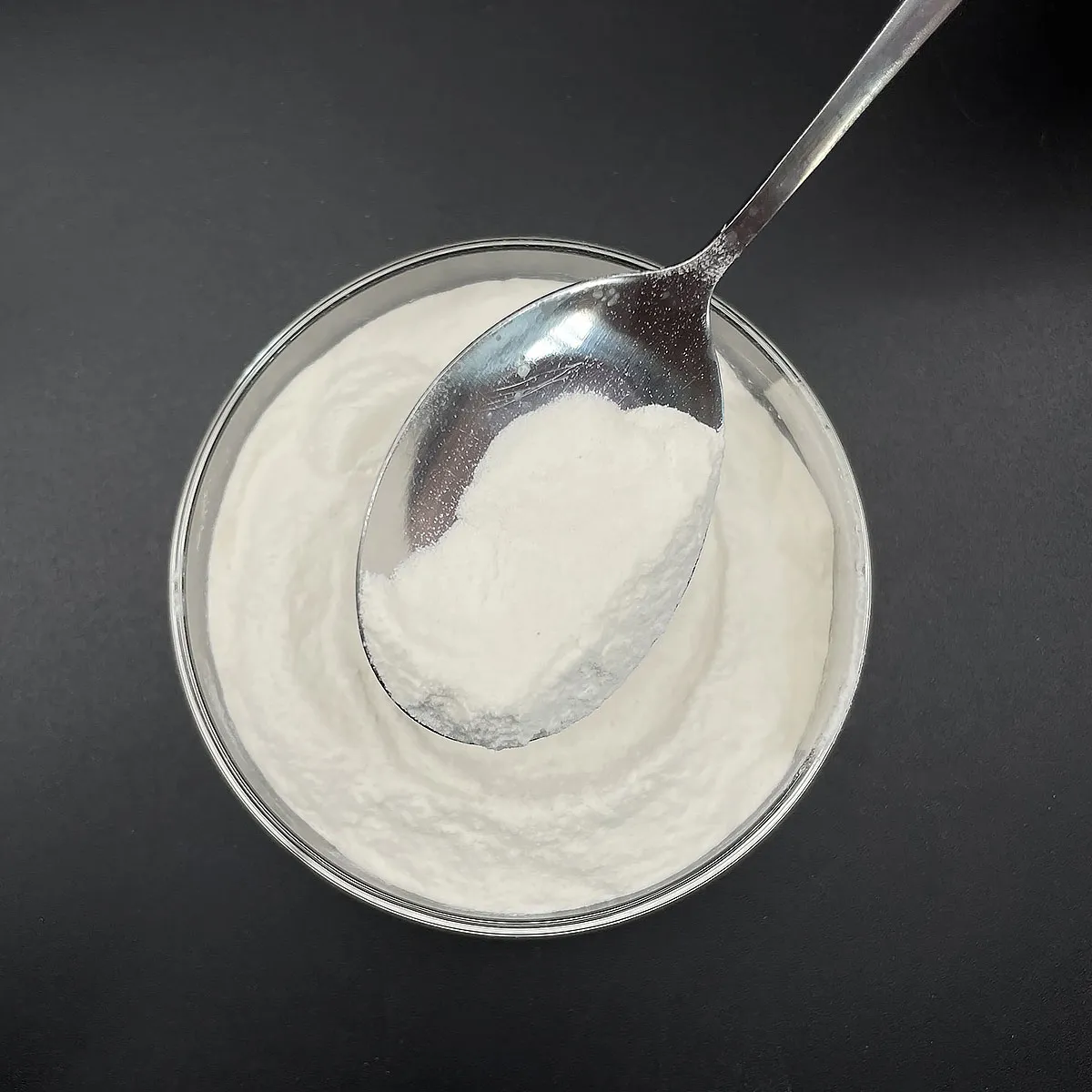
Alumina Oxide Powder
Precautions for the Ammonia Precipitation Method
- The concentration of ammonia water and aluminium nitrate solution must be strictly controlled to avoid local excessive concentration, which will lead to uneven precipitation and affect product purity. - During titration, ammonia water should be added dropwise slowly while stirring vigorously to ensure uniform reaction and stable pH value; excessive ammonia water should be avoided, as alumina may dissolve in overly alkaline solutions due to its amphoteric nature. - The aging process must be carried out as required: insufficient aging will result in incomplete precipitation, while excessive aging will cause particle agglomeration. - All experimental instruments should be cleaned with deionized water in advance to prevent contamination by other metal ions, which will affect the performance of alumina.
Other Common Manufacturing Methods of Alumina
1. Bayer Process: It is the most widely used industrial production method of alumina, with the advantages of low cost and large output. It takes bauxite as raw material, dissolves bauxite in concentrated sodium hydroxide solution under high temperature and high pressure to generate sodium aluminate, then separates impurities such as iron oxide, and finally obtains alumina through crystallization, decomposition and calcination. This method is mainly used for large-scale industrial production of α-Al2O3 for ceramics, metallurgy and other fields.
2. Sol-Gel Method: This method uses aluminium alkoxide (such as aluminium isopropoxide) as the precursor, hydrolyzes and condenses it in a suitable solvent to form a sol, then ages the sol to form a gel, and finally obtains high-purity alumina through drying and calcination. The alumina prepared by this method has high purity, uniform particle size and large specific surface area, which is suitable for the preparation of high-performance alumina materials such as optical and electronic materials.
3. Carbon Thermal Reduction Method: It uses aluminium oxide and carbon as raw materials, and reacts at high temperature to generate aluminium carbide, then hydrolyzes aluminium carbide to obtain alumina. This method has the advantages of simple process and low raw material cost, but the product purity is relatively low, which is mainly used for the production of ordinary industrial alumina.
Fumed Alumina
Price of Alumina oxide powder
Alumina oxide particle size and purity will affect the product's price, and the purchase volume can also affect the cost of Alumina oxide. A large amount of large amount will be lower. The price of Alumina oxide powder can be found on our company's official website.
Alumina oxide powder supplier
Luoyang Tongrun Nano Technology Co. Ltd. (TRUNNANO) Luoyang City, Henan Province, China, is a reliable and high-quality global alumina oxide powder supplier and manufacturer. It has more than 12 years of experience providing ultra-high quality chemicals and nanotechnology materials, including Alumina oxide powder, nitride powder, alumina oxide, sulfide powder, and 3D printing powder. If you are looking for high-quality and cost-effective alumina oxide powder, you are welcome to contact us or inquire any time.