
By TRUNNANO | 07 June 2021 | 1 Comments
What is nickel alloy? What is the role of alloying elements in nickel alloys
What is nickel alloy?
An alloy consisting of nickel with other elements added. Monel, which contains about 30 percent copper, was an earlier type of nickel alloy produced around 1905. Nickel has good mechanical, physical and chemical properties, adding appropriate elements can improve its oxidation resistance, corrosion resistance, high-temperature strength and improve some physical properties. Nickel alloy can be used as electronic pipe material, precision alloy (magnetic alloy, precision resistance alloy, electric heating alloy, etc.), nickel-base high-temperature alloy, nickel base corrosion resistant alloy and shape memory alloy, etc. Nickel alloys are widely used in energy development, chemical industry, electronics, navigation, aviation and aerospace sectors.
The role of alloying elements in nickel alloys
There are two kinds of alloying elements added: one is the solid solution strengthening elements that can form a solid solution with nickel, such as copper, cobalt, iron, chromium, molybdenum, tungsten, manganese and so on; The other is the element which forms the intermediate compound strengthening phase with nickel, such as aluminum, silicon, beryllium, titanium, zirconium, hafnium, vanadium, niobium and tantalum.
In addition, trace elements such as rare earth elements, boron, magnesium, calcium, strontium and barium are sometimes added for specific purposes and use. The strength, hardness, shock resistance, corrosion resistance, oxidation resistance, high-temperature strength and some physical properties, such as magnetism, thermoelectric potential and resistance coefficient, are obviously increased when the strengthening and dissolution strengthening elements are added to nickel, while the expansion coefficient, thermoelectric potential and resistance temperature coefficient of copper are greatly reduced.
The properties of nickel, especially the high-temperature mechanical properties, corrosion resistance and some physical properties, will be further improved by adding alloying elements which can form the strengthening phase.
Trace elements are added to the alloy or to eliminate harmful impurities on the properties of the alloy, or to make the alloy obtain some special physical properties, or to strengthen the alloy grain boundary, so as to ensure that the alloy products have better use effect and longer service life.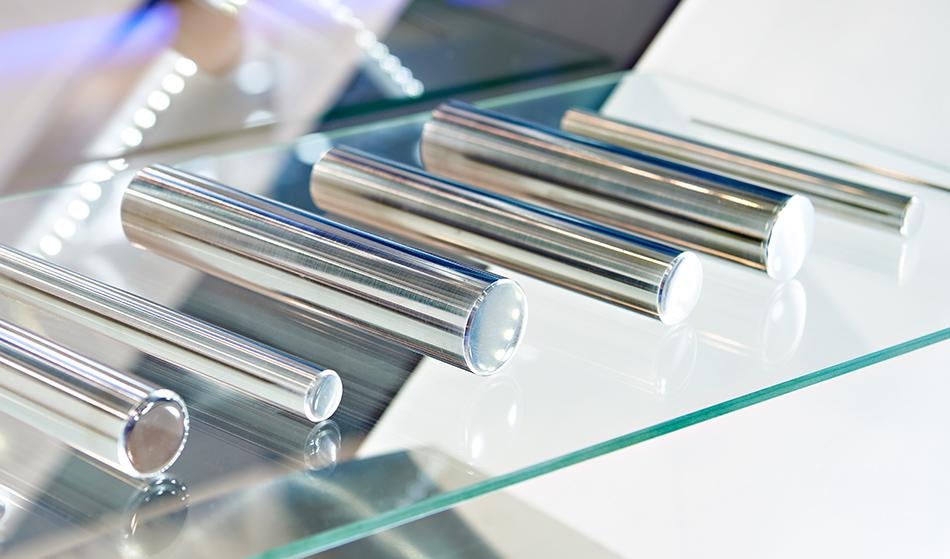 Nickel alloys are classified according to their use
① Nickel-based superalloy
The main alloying elements are chromium, tungsten, molybdenum, cobalt, aluminum, titanium, boron, zirconium and so on. Among them, chromium plays an anti-oxidation and anti-corrosion role, while other elements play a strengthening role. It has high strength, oxidation resistance and gas corrosion resistance at 650 ~ 1000℃. It is the most widely used superalloy with the highest high-temperature strength. Used in the manufacture of aero-engine blades and rocket engines, nuclear reactors, high-temperature components in energy conversion equipment.
② Nickel base corrosion resistant alloy
The main alloying elements are copper, chromium and molybdenum. With good comprehensive performance, can resist all kinds of acid corrosion and stress corrosion. The earliest application is a nickel-copper alloy, also known as Monel alloy; In addition, there are nickel-chromium alloy, nickel-molybdenum alloy, nickel-chromium-molybdenum alloy and so on. Used to manufacture all kinds of corrosion-resistant parts.
③ Nickel-based wear-resistant alloy
The main alloying elements are chromium, molybdenum and tungsten, with small amounts of niobium, tantalum and indium. In addition, to wear resistance, its oxidation resistance, corrosion resistance, welding performance is good. It can be used to manufacture wear-resistant parts, and can also be used as coating material, which can be coated on the surface of other matrix materials through the surfacing welding and spraying process.
④ Nickel-based precision alloy
Including nickel-based soft magnetic alloy, nickel-based precision resistance alloy and nickel-based electric heating alloy. The most commonly used soft magnetic alloy is nickel-containing about 80% of the glassy alloy, its maximum permeability and initial permeability is high, coercivity is low, is an important iron core material in the electronics industry. The main alloy elements of nickel-based precision resistance alloy are chromium, aluminum and copper. This alloy has high resistivity, low-temperature coefficient of resistivity and good corrosion resistance, and is used for making resistors. Nickel-based electrothermal alloy is a nickel alloy containing 20% chromium. It has good oxidation resistance and corrosion resistance and can be used for a long time at a temperature of 1000 ~ 1100℃.
⑤ Nickel-based shape memory alloy
Nickel alloy containing titanium 50 (at)%. Its recovery temperature is 70℃, shape memory effect is good. The recovery temperature can be changed in the range of 30 ~ 100℃ by a small change of the composition ratio of nickel and titanium. It is mainly used in the manufacture of automatic opening structural parts used in spacecraft, self-excited fasteners used in the aerospace industry, artificial heart motors used in biomedicine, etc.
Nickel alloy Supplier
TRUNNANO (aka. Luoyang Tongrun Nano Technology Co. Ltd.) is a trusted global chemical material supplier & manufacturer with over 12 years of experience in providing super high-quality chemicals and Nanomaterials. Currently, our company has successfully developed a series of materials. The Nickel alloy produced by our company has high purity, fine particle size and impurity content. For the latest price of Nickel alloy, send us an email or click on the needed products to send an inquiry.
An alloy consisting of nickel with other elements added. Monel, which contains about 30 percent copper, was an earlier type of nickel alloy produced around 1905. Nickel has good mechanical, physical and chemical properties, adding appropriate elements can improve its oxidation resistance, corrosion resistance, high-temperature strength and improve some physical properties. Nickel alloy can be used as electronic pipe material, precision alloy (magnetic alloy, precision resistance alloy, electric heating alloy, etc.), nickel-base high-temperature alloy, nickel base corrosion resistant alloy and shape memory alloy, etc. Nickel alloys are widely used in energy development, chemical industry, electronics, navigation, aviation and aerospace sectors.
The role of alloying elements in nickel alloys
There are two kinds of alloying elements added: one is the solid solution strengthening elements that can form a solid solution with nickel, such as copper, cobalt, iron, chromium, molybdenum, tungsten, manganese and so on; The other is the element which forms the intermediate compound strengthening phase with nickel, such as aluminum, silicon, beryllium, titanium, zirconium, hafnium, vanadium, niobium and tantalum.
In addition, trace elements such as rare earth elements, boron, magnesium, calcium, strontium and barium are sometimes added for specific purposes and use. The strength, hardness, shock resistance, corrosion resistance, oxidation resistance, high-temperature strength and some physical properties, such as magnetism, thermoelectric potential and resistance coefficient, are obviously increased when the strengthening and dissolution strengthening elements are added to nickel, while the expansion coefficient, thermoelectric potential and resistance temperature coefficient of copper are greatly reduced.
The properties of nickel, especially the high-temperature mechanical properties, corrosion resistance and some physical properties, will be further improved by adding alloying elements which can form the strengthening phase.
Trace elements are added to the alloy or to eliminate harmful impurities on the properties of the alloy, or to make the alloy obtain some special physical properties, or to strengthen the alloy grain boundary, so as to ensure that the alloy products have better use effect and longer service life.
① Nickel-based superalloy
The main alloying elements are chromium, tungsten, molybdenum, cobalt, aluminum, titanium, boron, zirconium and so on. Among them, chromium plays an anti-oxidation and anti-corrosion role, while other elements play a strengthening role. It has high strength, oxidation resistance and gas corrosion resistance at 650 ~ 1000℃. It is the most widely used superalloy with the highest high-temperature strength. Used in the manufacture of aero-engine blades and rocket engines, nuclear reactors, high-temperature components in energy conversion equipment.
② Nickel base corrosion resistant alloy
The main alloying elements are copper, chromium and molybdenum. With good comprehensive performance, can resist all kinds of acid corrosion and stress corrosion. The earliest application is a nickel-copper alloy, also known as Monel alloy; In addition, there are nickel-chromium alloy, nickel-molybdenum alloy, nickel-chromium-molybdenum alloy and so on. Used to manufacture all kinds of corrosion-resistant parts.
③ Nickel-based wear-resistant alloy
The main alloying elements are chromium, molybdenum and tungsten, with small amounts of niobium, tantalum and indium. In addition, to wear resistance, its oxidation resistance, corrosion resistance, welding performance is good. It can be used to manufacture wear-resistant parts, and can also be used as coating material, which can be coated on the surface of other matrix materials through the surfacing welding and spraying process.
④ Nickel-based precision alloy
Including nickel-based soft magnetic alloy, nickel-based precision resistance alloy and nickel-based electric heating alloy. The most commonly used soft magnetic alloy is nickel-containing about 80% of the glassy alloy, its maximum permeability and initial permeability is high, coercivity is low, is an important iron core material in the electronics industry. The main alloy elements of nickel-based precision resistance alloy are chromium, aluminum and copper. This alloy has high resistivity, low-temperature coefficient of resistivity and good corrosion resistance, and is used for making resistors. Nickel-based electrothermal alloy is a nickel alloy containing 20% chromium. It has good oxidation resistance and corrosion resistance and can be used for a long time at a temperature of 1000 ~ 1100℃.
⑤ Nickel-based shape memory alloy
Nickel alloy containing titanium 50 (at)%. Its recovery temperature is 70℃, shape memory effect is good. The recovery temperature can be changed in the range of 30 ~ 100℃ by a small change of the composition ratio of nickel and titanium. It is mainly used in the manufacture of automatic opening structural parts used in spacecraft, self-excited fasteners used in the aerospace industry, artificial heart motors used in biomedicine, etc.
Nickel alloy Supplier
TRUNNANO (aka. Luoyang Tongrun Nano Technology Co. Ltd.) is a trusted global chemical material supplier & manufacturer with over 12 years of experience in providing super high-quality chemicals and Nanomaterials. Currently, our company has successfully developed a series of materials. The Nickel alloy produced by our company has high purity, fine particle size and impurity content. For the latest price of Nickel alloy, send us an email or click on the needed products to send an inquiry.
Recently Reviews
Read MoreLeave a Reply
Your email address will not be published.Required fields are marked. *